
The best moment in the life of a human being is not applause, nor the fleeting intoxication of popularity. It is the moment of impact, the moment when one’s actions carve a legacy that endures beyond the noise of politics.
Legacy is not measured by bail celebrations or partisan chants; it is measured by principle, by the courage to stand firm when power demands compromise.
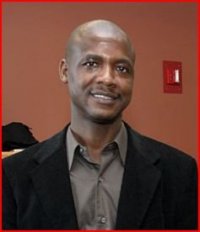
Today, some celebrate Bory Touray as a hero after his release on bail. But heroism is not reclaimed through opportunism. Touray was once a respected magistrate, earning admiration much like Magistrate Dr. Lamin J. Darbo. Both men showed courage in the face of executive interference. Yet courage without principle is incomplete.
Dr. Darbo, in the Brikama case involving Imam Karamo Touray, refused to alter his judicial decision under executive pressure. He resigned rather than betray his conscience, preserving his dignity and leaving behind a legacy of principle. His act was not just courage—it was moral conviction.
Bory Touray, by contrast, was dismissed twice by Yahya Jammeh’s regime—first in 1996 after acquitting Pa Sallah Jagne and others, and again in 2000 after ruling that his court lacked jurisdiction in the Basse incident involving 24 UDP members. These dismissals were not resignations of principle; they were forced exits.
Courage was shown in his rulings, but principle was absent in his response. Instead of resigning to uphold dignity, he accepted dismissal, leaving his legacy fractured.
History reminds us that true legacy is built on principle. Courage is the act of defiance in the moment; principle is the refusal to compromise even when defiance costs you everything. Courage without principle is like a flame that burns brightly but quickly fades. Principle is the fire that endures, warming generations long after the flame is gone.
Imam Karamo Touray stood firm in Brikama, refusing to bend to political intimidation, embodying moral courage in the religious sphere.
Lawyers and journalists who chose exile rather than compromise showed that principle sometimes demands sacrifice. Civil servants who resigned rather than rubber-stamp injustice left behind reputations that outlasted their careers.
These figures remind us that legacy is not about surviving in office—it is about leaving office with dignity intact.
Opportunism seeks relevance through noise. Principle seeks relevance through silence and sacrifice. Opportunism is celebrated in rallies; principle is remembered in history. Opportunism dies with the crowd; principle endures in the conscience of a nation.
When Gambians celebrate opportunists as heroes, they diminish the value of true ones. When they elevate courage without principle, they confuse defiance with dignity.
An African proverb teaches: “A brave man dies once, but a coward dies many times.” Dr. Lamin J. Darbo chose to die with dignity, resigning rather than bending the knee. Bory Touray chose to die many times, was dismissed twice, and is now seeking relevance through political opportunism.
The lesson is clear: legacy is not built on temporary defiance but on enduring principle. A magistrate who resigns to protect the sanctity of justice leaves behind a moral inheritance. A magistrate who is dismissed without standing on principle leaves behind only fragments of courage.
Gambians must learn to distinguish between courage and principle, between opportunism and legacy. The celebration of false heroes diminishes the value of true ones.
The best moment of life is to make an impact, and impact is measured not by noise but by principle.
By Alagi Yorro Jallow







Recent Comments