
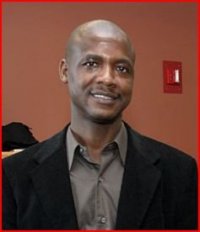
The arrest of Ameth Ndoye, a prominent columnist for SenTV, marks a chilling escalation in Senegal’s ongoing campaign against press freedom and political dissent.
Taken into custody at the Faidherbe Research Brigade in Dakar, Ndoye faces charges of insulting Prime Minister Ousmane Sonko and disseminating false information allegations stemming from his commentary on Sonko’s absence from a recent Council of Ministers meeting.
This incident is not isolated; it follows a string of arrests targeting journalists and media executives, including Maïmouna Ndour Faye of 7TV and Babacar Fall of RFM, all of whom have faced legal harassment for airing dissenting views.
These developments signal a dangerous shift: freedom of expression in Sénégal is no longer a constitutional guarantee; it is becoming a criminal liability.
The irony is stark. Diomaye Faye, a key ally of Ousmane Sonko, and Ousmane Sonko himself rose to power on a wave of social media populism, positioning themselves as champions of transparency, justice, and democratic renewal.
Their movement galvanised youth and diaspora voices, leveraging digital platforms to expose corruption and demand reform. Yet now, the very tools of expression that fuelled their ascent are being weaponised to silence critics.

This reversal mirrors the authoritarian tactics of former Gambian president Yahya Jammeh, whose regime was notorious for persecuting journalists, manipulating legal frameworks, and criminalising dissent.
Today, Senegal’s leadership appears to be borrowing from that same playbook—using vague defamation laws, custodial intimidation, and media censorship to suppress opposition and consolidate power.

The Role of Journalists and Pundits: From Watchdogs to Targets
Senegal’s media landscape has long been a pillar of its democratic identity. Journalists, columnists, and pundits have served as civic watchdogs, holding power to account and amplifying public concerns.
Senegal has long been considered a beacon of democratic stability in West Africa, with a vibrant press and active civil society.
This historical significance makes the recent regression in media freedoms, especially under the leadership of Ousmane Sonko and President Bassirou Diomaye Faye, all the more concerning.
Key developments include:
2021–2023: Protests over Sonko’s legal troubles led to violent crackdowns and media censorship.
2023–2024: Journalists covering opposition movements faced arrests, signal cuts, and threats.
2025: The current wave of arrests coincides with heightened political sensitivity, marked by controversial policy decisions and public outcry, and efforts to consolidate power, including constitutional amendments that centralise power in the executive branch.
The use of defamation, “false news,” and insult laws has become a tool to silence dissent. These laws, often vaguely defined, allow authorities to criminalize speech that challenges official narratives. But under the current regime, these voices are increasingly under siege.
Legal threats: Charges like “offending public officials” and “spreading false news” are used to stifle criticism.
Custodial intimidation: Detentions without trial aim to deter others from speaking out.
Broadcast disruptions: Channels like TFM and 7TV have faced signal cuts during sensitive coverage.
This climate of fear undermines not only media freedom but the very foundations of democratic discourse.
Political commentators and media personalities once central to Senegal’s democratic discourse are now increasingly vulnerable.
Their platforms, especially on web-based channels like SenTV and Teranga TV, reach broad audiences and often critique governance failures.
The arrest of Ameth Ndoye should serve as a wake-up call. It is not merely a legal matter—it is a civic emergency that demands our immediate attention. The urgency of the situation should prompt us to act swiftly and decisively.
Civil society, diaspora communities, and international observers must rally to defend press freedom and protect the right to dissent.
The legacy of Yahya Jammeh, the former Gambian president who ruled with an iron fist and was notorious for persecuting journalists, must not resurface in Senegal under a new guise, and it is our collective responsibility to ensure that it doesn’t.
Conclusion
The arrest of Ameth Ndoye is not an isolated incident; it’s part of a systemic erosion of press freedom. Organizations such as Amnesty International and the Syndicat des Professionnels de l’Information et de la Communication du Sénégal (Synpics) have condemned these actions, urging the government to uphold constitutional protections, a crucial step in preserving Sénégal’s democratic fabric.
This moment demands vigilance. As Senegal navigates its democratic future, the role of journalists, columnists, and civic voices must be defended, not criminalised.
Senegal stands at a crossroads. Will it honour its democratic promise, or will it descend into the familiar shadows of authoritarian rule? The answer lies in how it treats its journalists, its critics, and its constitution. The arrest of Ameth Ndoye is not just a headline; it is a test of Senegal’s democratic soul.
By Alagi Yorro Jallow






Recent Comments