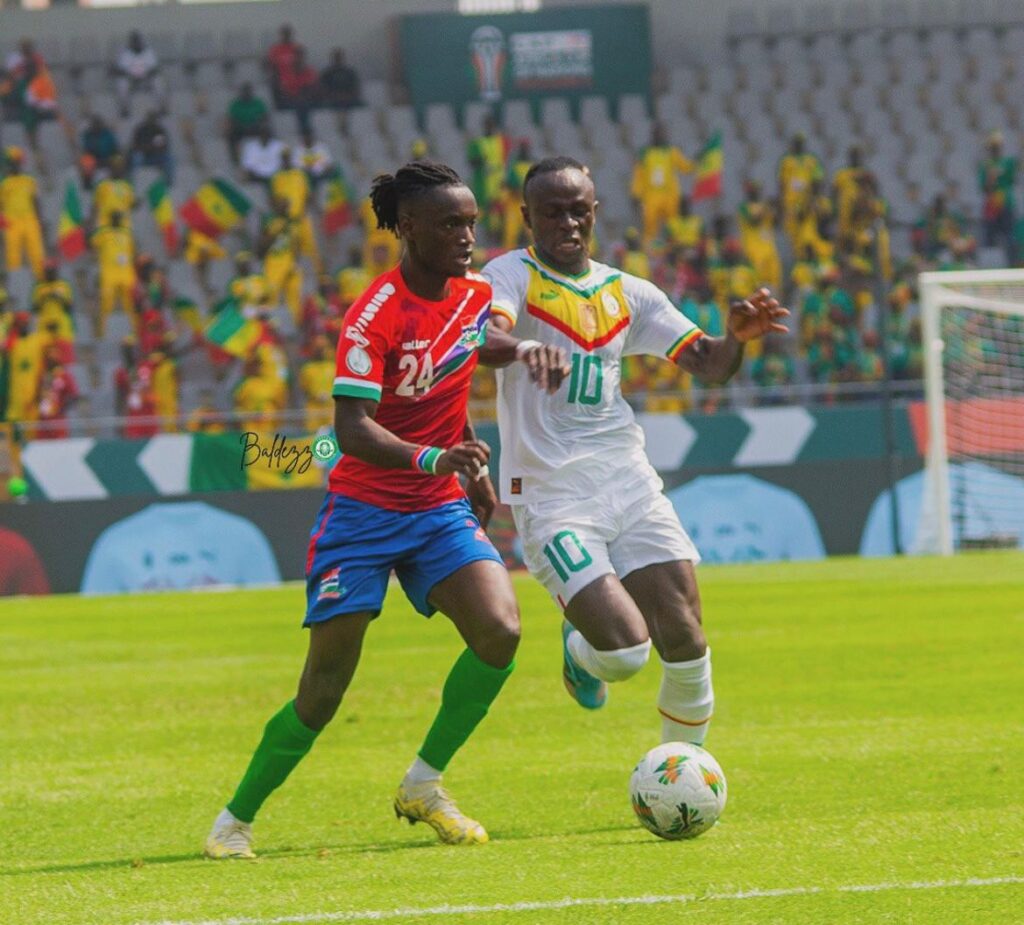
The controversy surrounding the now-confirmed international friendly between The Gambia and Senegal should never have escalated to the level it did. What ought to have been a routine announcement of a high-profile fixture instead exposed worrying communication gaps within the Gambia Football Federation and created an avoidable diplomatic embarrassment.
At the heart of the matter was the initial categorical dismissal of reports about the match. When a senior official publicly describes credible reports as “false,” only for the same institution to later confirm the fixture, it inevitably raises questions about coordination, clarity and internal coherence. In modern football administration, messaging is as important as match preparation. Contradictory statements erode public trust and hand critics unnecessary ammunition.
This was not merely a media misunderstanding. Multiple stakeholders, including communications officials and team management, indicated that preparations were already underway.
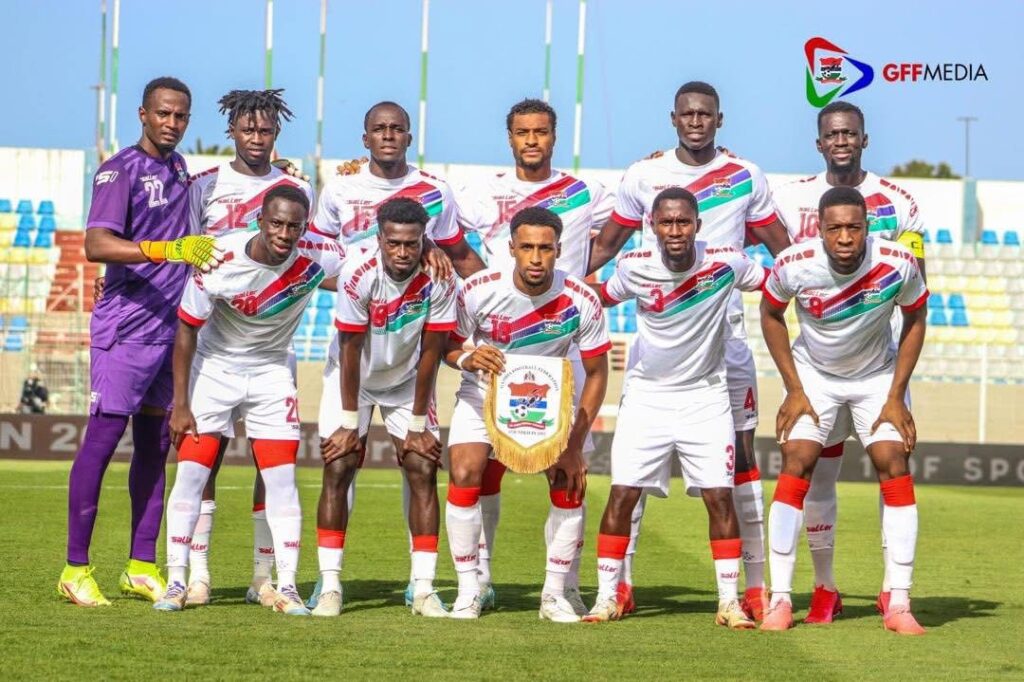
That disconnect suggests either internal misalignment or a breakdown in information flow at the highest administrative level. Neither scenario reflects well on an institution tasked with managing the country’s most visible sporting asset.
Beyond internal optics, there is also a diplomatic dimension. A fixture between The Gambia and Senegal is never just a game. It carries symbolic weight, representing regional cooperation and shared heritage. Publicly dismissing reports of such an engagement, only to later confirm it, risks sending mixed signals to counterparts and partners. Even if unintended, such contradictions can be interpreted as institutional disorganisation.
Sports diplomacy thrives on professionalism, discretion and timing. If negotiations were indeed sensitive, a carefully worded “discussions are ongoing” would have sufficed. A flat denial followed by confirmation creates the impression of either misinformation or damage control. Neither strengthens institutional credibility.

The lesson here is simple. Governing bodies are not in competition with the media, nor should they attempt to control narratives through reactive statements. Clear internal coordination, disciplined communication and respect for the intelligence of the public are essential.
The friendly is now confirmed. The focus should rightly return to football. But the episode serves as a reminder that in administration, how you communicate can be just as important as what you announce.
By Ebrima KB Sonko








Recent Comments