Africa once spoke out for peace, but now its voice is barely heard. There was a time when Senegambia led the world as active participants, not just bystanders. The silence of today’s leaders is not diplomacy; it is a failure to act.
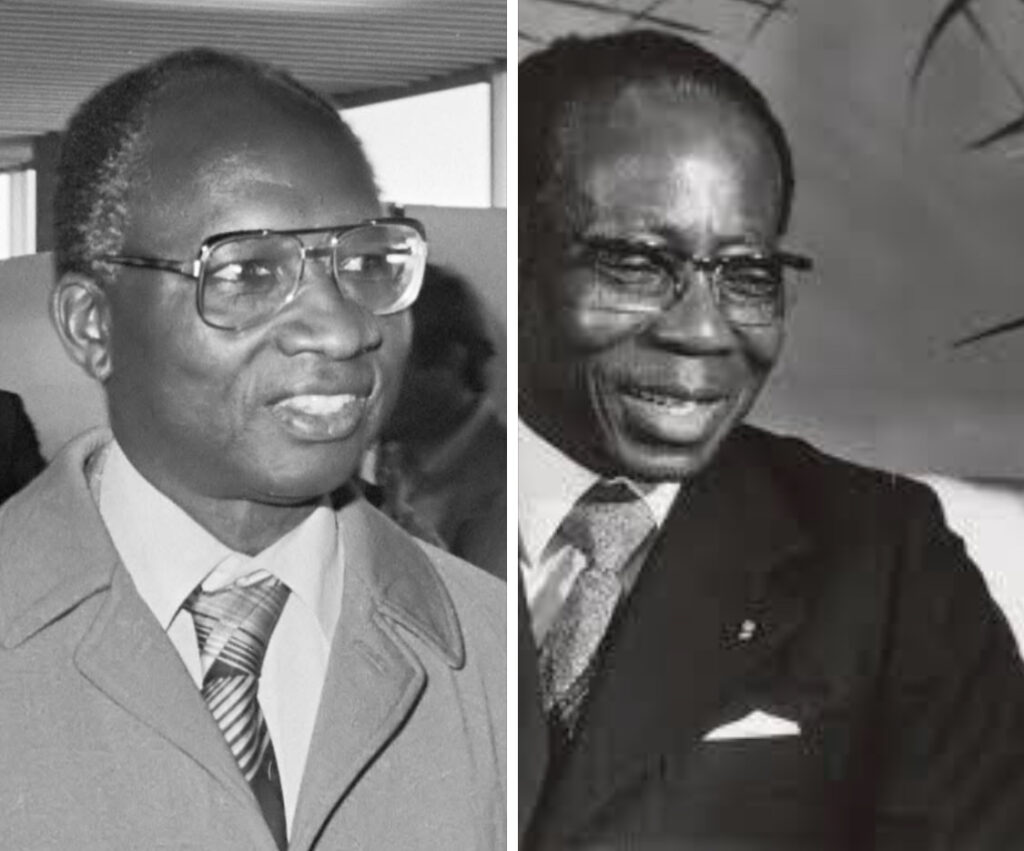
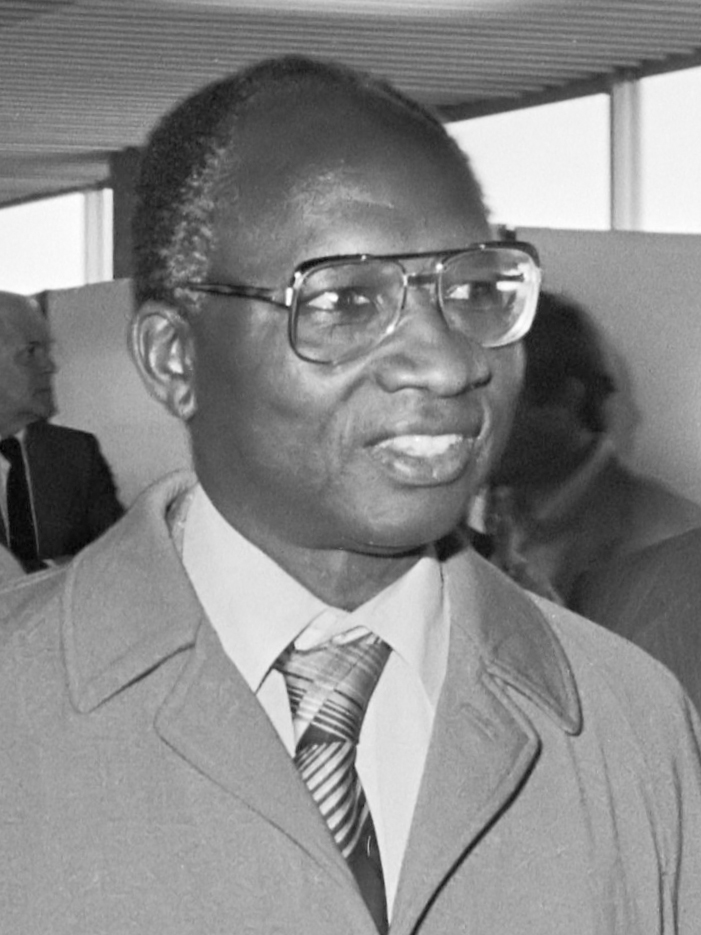
Before Africa became a spectator in global crises, two Senegambian giants, Léopold Sédar Senghor and Sir Dawda Kairaba Jawara, demonstrated that Africa was once a moral leader on the world stage. Senghor led a continental mission into the heart of the Arab–Israeli conflict. Jawara chaired the Islamic world’s mediation during the Iran–Iraq War.
They acted not out of power, but out of a conviction that Africa had a duty to defend peace and guide global conscience. Today, as missiles fly and the Middle East edges toward catastrophe, Africa’s silence is pronounced. The argument: Africa once stood for peace, but now hesitates to voice its conscience.
The world is inching toward a wider war. Missiles cross borders, alliances harden, and the Middle East once again threatens to drag the world into a conflict with no clear end.
Yet in this moment of global peril, Africa, the continent that once dared to mediate wars beyond its shores, has retreated into silence. The central concern: this silence contradicts Africa’s history as a vocal advocate for peace.
There was a time when Africa did not wait for others to speak. In 1971, at the height of the Arab–Israeli conflict, four African presidents, Léopold Sédar Senghor of Senegal, Ahmadou Ahidjo of Cameroon, Yakubu Gowon of Nigeria, and Mobutu Sese Seko of Zaire, undertook a bold peace mission to Jerusalem and Cairo. They arrived in Israel to a 21‑gun salute, met with Prime Minister Golda Meir and President Zalman Shazar, and then crossed into Arab capitals to carry a message of reconciliation. Their mediation did not produce a treaty, but it produced something more important: the assertion that Africa had a voice, a conscience, and a duty to act in the service of global peace.
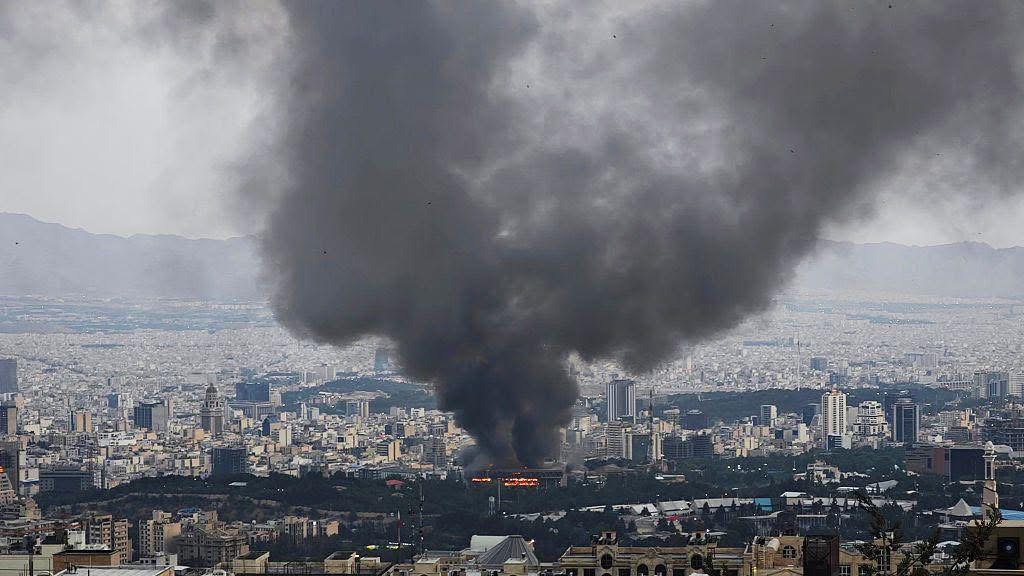
Africa has vanished. Today, as the United States and Israel strike Iranian territory and the region teeters on the brink of a wider conflagration, the African Union has responded with its usual vocabulary: “deep concern,” “restraint,” and “dialogue.”
The Organization of Islamic Cooperation, under the Presidency of Adama Barrow of The Gambia, has offered even less. No emergency summit or mediation initiative emerged, only diplomatic formalities and silence. This silence is especially painful because The Gambia once stood at the center of one of the most consequential diplomatic efforts in the Muslim world.
During the Iran–Iraq War, a conflict that claimed hundreds of thousands of lives, Sir Dawda Kairaba Jawara was entrusted to chair the Islamic Conference Mediation Commission. The world’s Muslim nations chose a tiny West African republic to lead a peace effort between two warring giants. They chose The Gambia because Jawara embodied neutrality, moral steadiness, and a reputation for principled diplomacy.
Jawara did not look for praise. He used steady, quiet diplomacy to build trust, even when tensions were high. His leadership helped set the stage for the ceasefire that ended the war in 1988. Back then, The Gambia was not just watching world events; it was a mediator, a bridge, and a trusted voice. How far we have fallen.
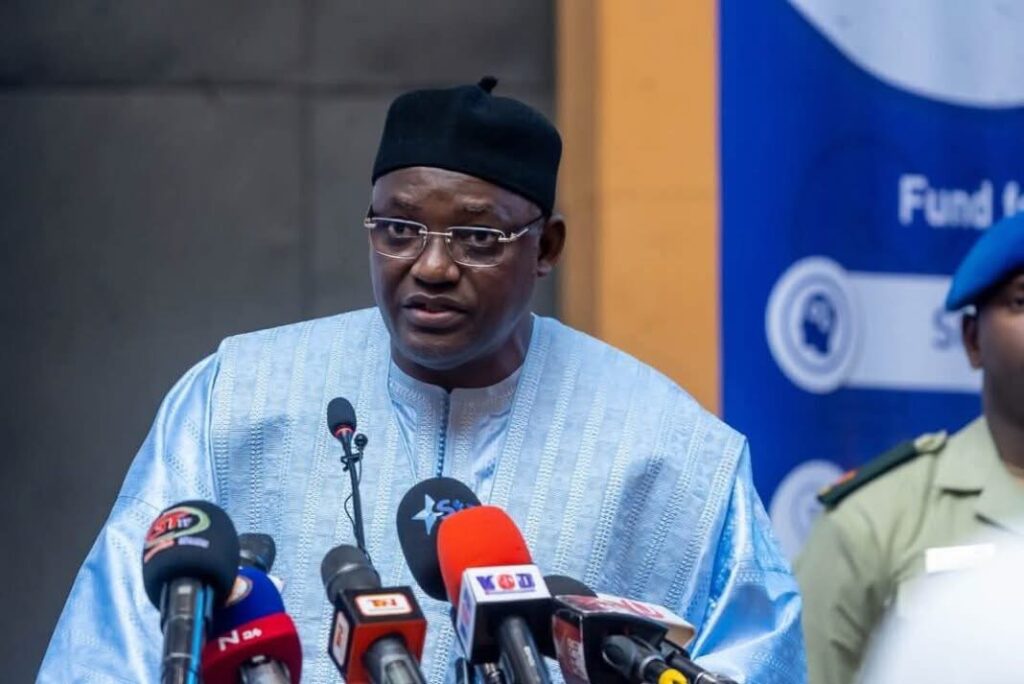
President Barrow now stands at a crossroads remarkably similar to the one Jawara faced four decades ago. Yet unlike Jawara, he has chosen silence. In his 2025 State of the Nation Address, he acknowledged the rising tensions between Israel and Iran, but no formal OIC statement followed. No diplomatic initiative. No call for unity. No attempt to revive The Gambia’s legacy of mediation. Silence, in such a moment, is not neutrality. It is complicity in irrelevance.
Africa’s retreat from global diplomacy reflects a deeper crisis, a crisis of confidence, imagination, and moral leadership. Many African governments are consumed by domestic instability and political insecurity. Leaders who struggle to negotiate with striking teachers or disillusioned youth cannot easily summon the authority to mediate conflicts between nations.
Fear of offending powerful allies, Washington, Beijing, Riyadh, or Tel Aviv, further constrains their voices. And the African Union, once envisioned as a continental conscience, has become a bureaucratic echo chamber issuing statements that neither comfort the afflicted nor trouble the powerful.
But history does not excuse silence; it reveals it. Senghor knew that Africa’s moral authority was its strongest diplomatic tool. Jawara knew that even a small country could help bring peace if it spoke clearly and with conviction. Their generation believed Africa had an important message for the world, shaped by its own struggles with conflict, freedom, and reconciliation.
Today’s leaders act as if Africa has nothing to offer except caution. But the world needs Africa’s voice now more than ever. The Middle East is not far away; its problems affect African economies, security, and futures. Oil prices rise, food becomes scarce, currencies drop, and extremist groups take advantage of every crisis. Africa suffers from global instability, even when it stays silent.
The real question is not only whether Africa should speak, but whether it understands the need to reclaim its past role as a global advocate for peace. The Gambia once helped mediate peace between Iran and Iraq; Senegal led a mission to bridge the Arab–Israeli divide.
These events showed Africa believed in its power to act. We need that active Africa, not just in memory but through real action.
President Barrow still has a chance to restore The Gambia’s diplomatic legacy.
He should call an emergency OIC meeting now, push for a ceasefire, and send a mediation team. He needs to show the world that Africa leads in times of crisis, not just watches. The world is not waiting for empty words. Africa must speak up with courage now. Act. Lead. Bring back Africa’s tradition of diplomacy.
Courage starts with one simple step: breaking the silence. By speaking up, Africa can once again define its role, reclaim leadership, and ignite a new era of peace. Now is the moment to choose action over indifference, to inspire and lead not just for Africa, but for the world. The path to global peace begins when Africa dares to raise its voice with purpose and conviction.
By Alagi Yorro Jallow
Reference:
- Senghor, Léopold Sédar, and the 1971 OAU Middle East Peace Mission involving Presidents Ahmadou Ahidjo (Cameroon), Yakubu Gowon (Nigeria), and Mobutu Sese Seko (Zaire).
- Records of the Islamic Conference Mediation Commission during the Iran–Iraq War (1980–1988), chaired by Sir Dawda Kairaba Jawara of The Gambia.
- African Union public statements on the U.S.–Israel strikes on Iran (2026).
- Organization of Islamic Cooperation (OIC) communiqués and leadership structure under President Adama Barrow (2024–2026).
- Historical analyses of Africa’s diplomatic interventions in Middle East conflicts during the 1970s and 1980s.







Recent Comments