
The Gambia has told the International Court of Justice (ICJ) that Myanmar deliberately tried to wipe out the Rohingya people through what it described as “genocidal policies”.
Addressing the UN’s top court in The Hague, The Gambia’s Minister of Justice, Dawda Jallow, said the case was based on credible evidence of extreme human rights abuses against the Muslim minority group.
The case, filed by The Gambia in 2019, accuses Myanmar of breaching the UN Genocide Convention by targeting the Rohingya population. Myanmar has denied the allegations, insisting its military operations were aimed at insurgents.
More than 700,000 Rohingya were forced to flee to Bangladesh in 2017 after a military crackdown that left thousands dead and villages destroyed.
Mr Jallow told the judges that the Rohingya had endured decades of persecution and propaganda before the army carried out what he called a campaign meant to erase them from Myanmar.
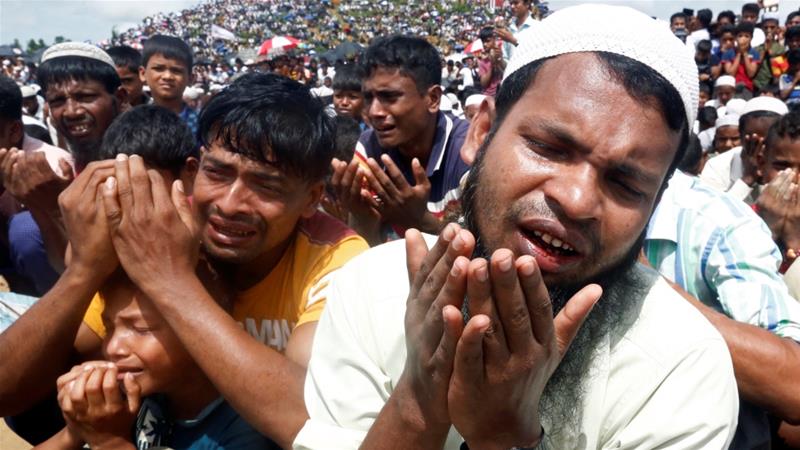
A UN investigation in 2018 found that Myanmar’s top military leaders should be investigated for genocide and crimes against humanity, but the government rejected the findings.
The ICJ hearings are expected to continue until the end of the month, including closed sessions where Rohingya survivors will give testimony. A final ruling could take months or even years.
Although the ICJ cannot jail individuals, its decisions carry strong legal and political weight within the United Nations system.
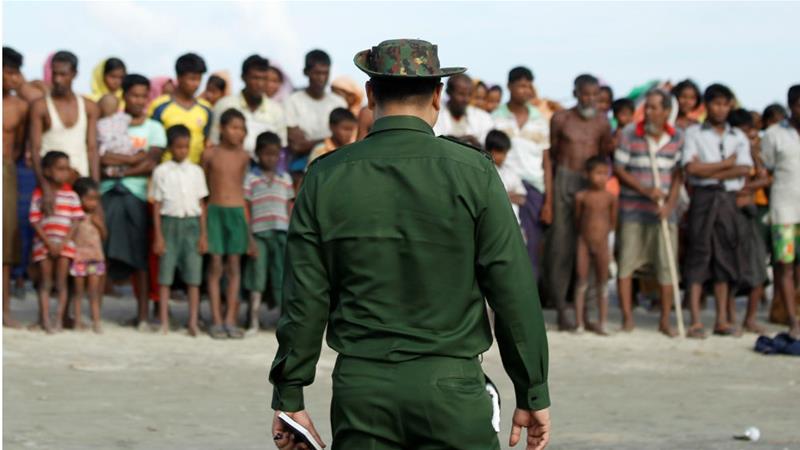
Mr Jallow said The Gambia brought the case out of a sense of responsibility, drawing on its own experience under military rule. He added that Myanmar remains trapped in a cycle of violence and impunity following the 2021 military coup.
The case is backed by the 57-member Organisation of Islamic Cooperation (OIC) and several countries, including the UK, France, Germany and Canada.
More than one million Rohingya still live in refugee camps in Bangladesh, while others have fled by sea to countries such as Malaysia and Indonesia.
The case is expected to set an important precedent for future genocide cases before the ICJ.







Recent Comments