Gambian media houses have declared an indefinite boycott of government functions in a dramatic escalation of tensions over controversial proposed media regulations.
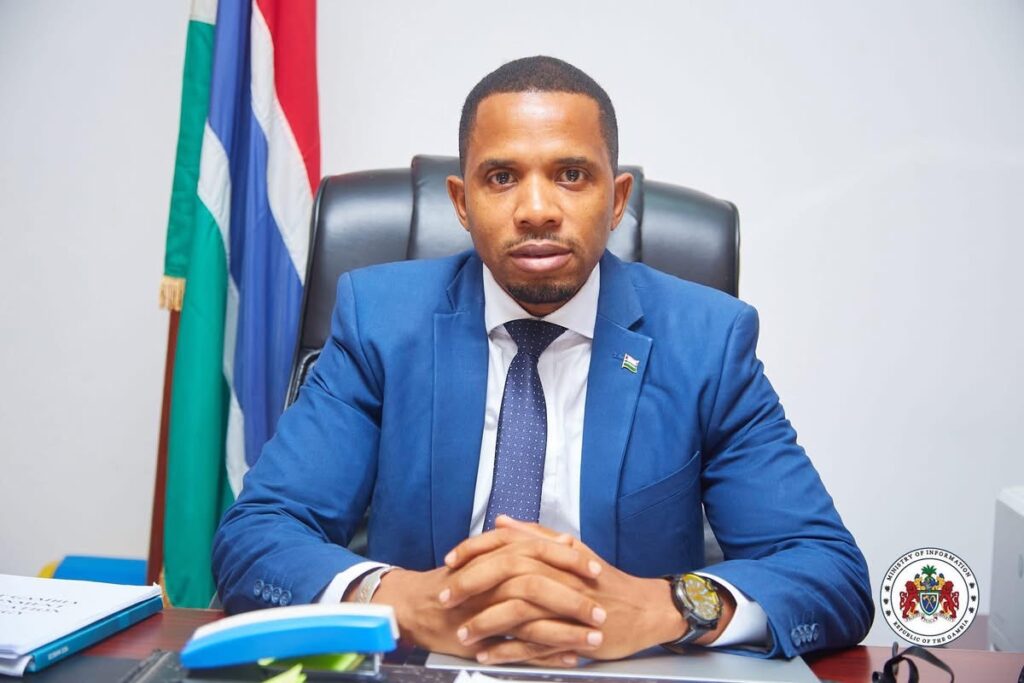
The move follows explosive remarks by Information Minister Dr Ismaila Ceesay, who was caught on a hot mic reacting to the media’s rejection of the proposals.
“That’s their problem. That’s what I usually want, for them to boycott…” he said – a comment that has triggered widespread backlash.
Journalists and media stakeholders, backed by civil society and academia, have since announced a total blackout of government coverage, refusing to attend or report on official events.
The standoff stems from new regulations being pushed by authorities, including plans to register journalists and social media users with large followings, a move critics say threatens press freedom.
At an emergency meeting led by the Gambia Press Union on April 8, at least 16 media groups rejected the proposals outright.
They warned the measures would hand government sweeping powers to decide who practices journalism, while also stifling free expression, encouraging self-censorship and undermining investigative reporting.
The boycott also follows the media’s refusal to attend a validation workshop organised by the Public Utilities Regulatory Authority on the draft regulations.
But the minister has doubled down, warning the media could face consequences.
“If you boycott the government, the government boycotts you. If the government boycotts you, you feel the pinch,” Dr Ceesay said, adding: “Media houses survive on the government; that is a fact.”
The deepening row now sets up a direct confrontation between the government and the media, with growing concerns over the future of press freedom in The Gambia.
By Adama Makasuba




Recent Comments