
NAWEC Managing Director Galo Saidy has blamed climate change and reduced rainfall for worsening The Gambia’s current electricity crisis, saying declining water levels in neighbouring Guinea have sharply reduced the country’s access to hydropower.
Saidy made the remarks on Tuesday during President Adama Barrow’s inspection of NAWEC power facilities in Kotu and Brikama, less than 24 hours after angry residents took to the streets with candles to protest prolonged blackouts.
Asked about the electricity crisis, Saidy pointed to climate-related changes and wider regional pressures.
“If you ask me, what is the biggest cost is climate change and the war in the Middle East,” he said.
Saidy explained that The Gambia is heavily interconnected with the regional electricity system, receiving power from Guinea and Senegal while also generating electricity domestically.
He said the impact of reduced rainfall was particularly evident in Guinea, where hydropower production has been affected.
“Last year, this time, we are getting close to about 70 to 80 megawatts from Guinea because the dams were full. There’s rain and it’s coming and it’s cheaper,” he said.
“But this year, the rain is not there.”
The reduced availability of hydropower in Guinea has limited electricity supplies to The Gambia at a time when demand remains high.
Saidy said the situation highlights the vulnerability of The Gambia’s electricity supply to conditions beyond its borders.
However, he said NAWEC was taking steps to increase domestic generation and reduce its reliance on regional power supplies.
“We have processes in place to try to fix this problem and to fix it once and for all,” he said.
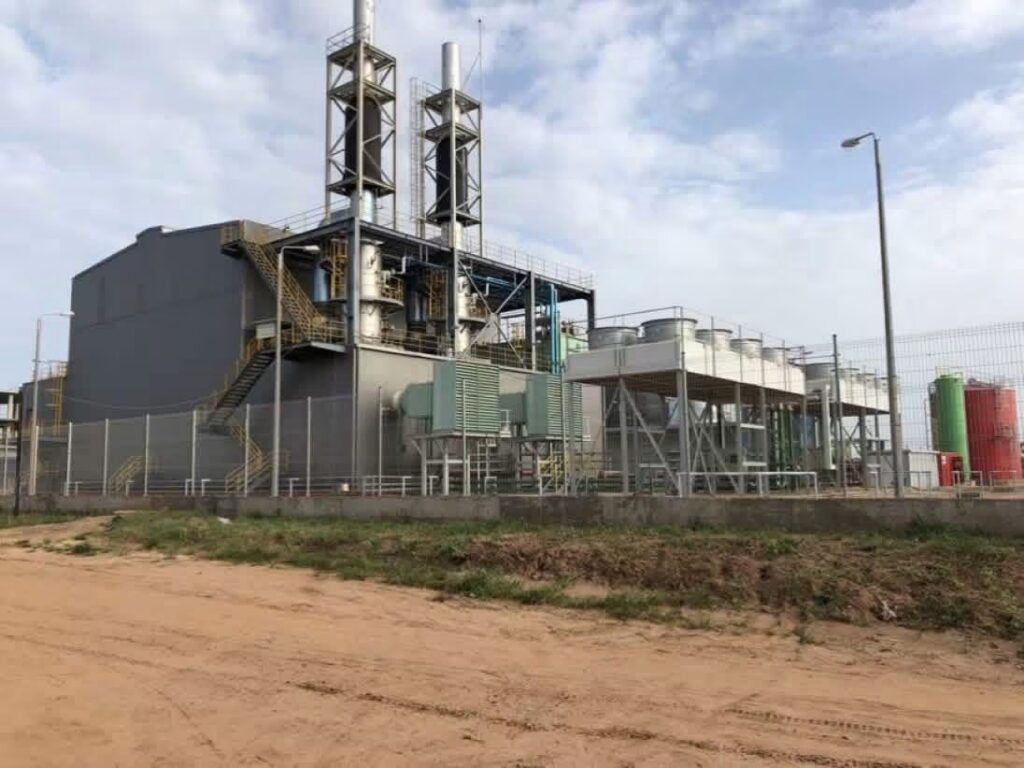
Saidy said NAWEC staff were working around the clock, with generators operating continuously and additional generation equipment being installed.
His comments come amid mounting public anger over the power crisis.
On Monday night, residents in Banjul and several other communities took to the streets carrying candles, demanding the restoration of electricity and expressing frustration over prolonged outages.
The protests have put renewed pressure on NAWEC to explain the crisis and deliver a lasting solution.
Saidy appealed to Gambians to give the utility time to implement its response.
“We are just asking the Gambian people to just give us a little bit of time, a little bit of patience, and we’ll get there together,” he said.
He also pointed to renewable energy as part of the longer-term solution, saying The Gambia is working towards an energy transition that would reduce its dependence on conventional and imported power.
For now, reduced regional hydropower availability, domestic generation constraints and rising demand continue to put pressure on the country’s electricity supply.
By Adama Makasuba





Recent Comments