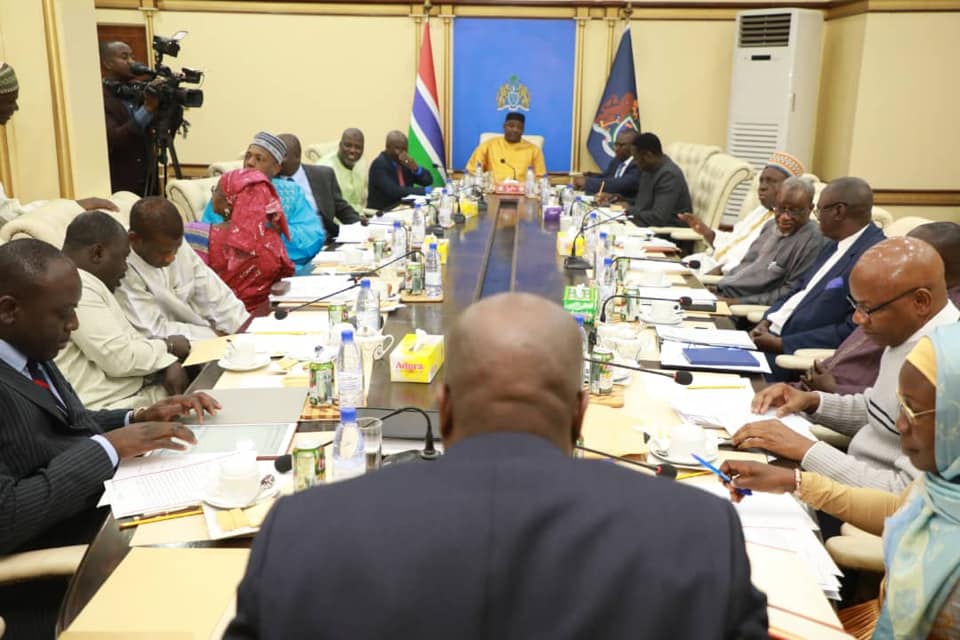
In The Gambia, political ambition has taken on a new dimension—one where forming a political party is no longer about ideology, governance, or reform but about positioning oneself for coalition bargaining and securing a high-profile government appointment.
With each election cycle, a new wave of political hopefuls enters the fray, creating parties not as vehicles for national progress but as strategic assets in the political lottery, where the grand prize is a ministerial or ambassadorial position.
This phenomenon is unfolding yet again as The Gambia approaches the 2026 elections, with reports indicating that six more political parties are in the making, totalling so far 21 political parties in a small country with a population of less than 3 million.
The timing is no coincidence—this is the period when party formation peaks, driven not by a national agenda but by political calculus. The underlying strategy has become predictable: establish a party, enter coalition negotiations, and leverage support for a coveted role in the next administration.
For many aspiring politicians, the process has become more transactional than transformative. The formula follows a familiar pattern:
Create a political party. Ideology is optional—what matters is visibility and positioning. Wait for coalition talks. As election day nears, align with a major party and demand a seat at the negotiation table. Secure an appointment. If the coalition wins, expect a ministerial role, an ambassadorial post, or another political favour.
Rather than strengthening democratic competition, the rise of political parties in The Gambia often leads to fragmentation, patronage, and opportunistic alliances.
The ultimate goal isn’t national development—it is political survival in a system where access to power is prioritised over long-term governance.
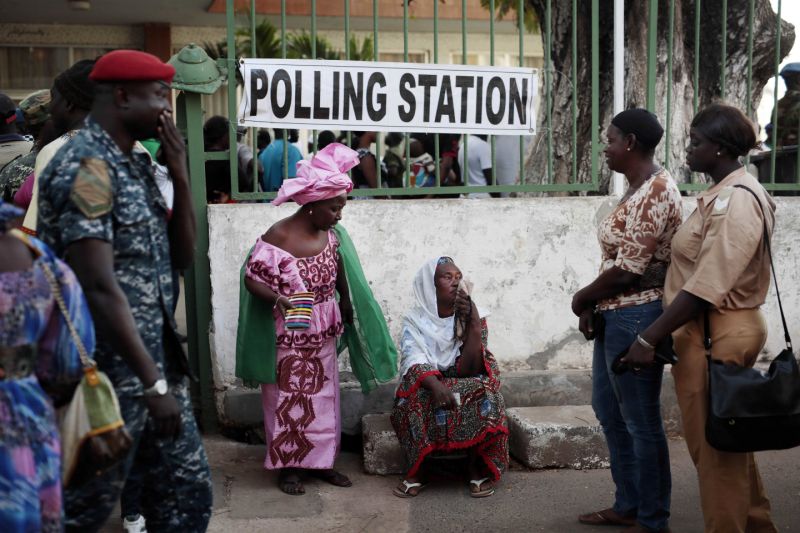
The phenomenon of coalition-building in The Gambia is not new. The 2016 opposition coalition, which successfully unseated Yahya Jammeh, was hailed as a triumph of unity over dictatorship.
Yet, the cracks in that alliance appeared almost immediately. Adama Barrow, the coalition’s unity candidate, quickly distanced himself from the agreement that brought him to power, sidelining key allies and forming his own party. By 2021, the coalition had fractured entirely, leaving behind a legacy of broken promises, stalled reforms, and political disillusionment.
This pattern is not unique to 2016. Historically, Gambian coalitions have been short-lived, often driven by power-sharing arrangements rather than ideological alignment. The result? Governance that prioritises political survival over structural reform.
The same cycle repeats: parties unite to defeat a common opponent, but once in power, self-interest takes precedence over national progress.
As new parties emerge ahead of 2026, the question remains: Will coalition-building once again serve as a vehicle for personal ambition, or will it finally lead to meaningful governance? If history is any indication, Gambians must remain skeptical of alliances that promise change but deliver political maneuvering instead.
To an untrained eye, the increasing number of political parties might seem like a testament to democratic vibrancy. However, beneath the surface lies a troubling reality—Gambian politics has become a revolving door, where the same figures shift alliances, rebrand themselves, and enter the next cycle of coalition bargaining.
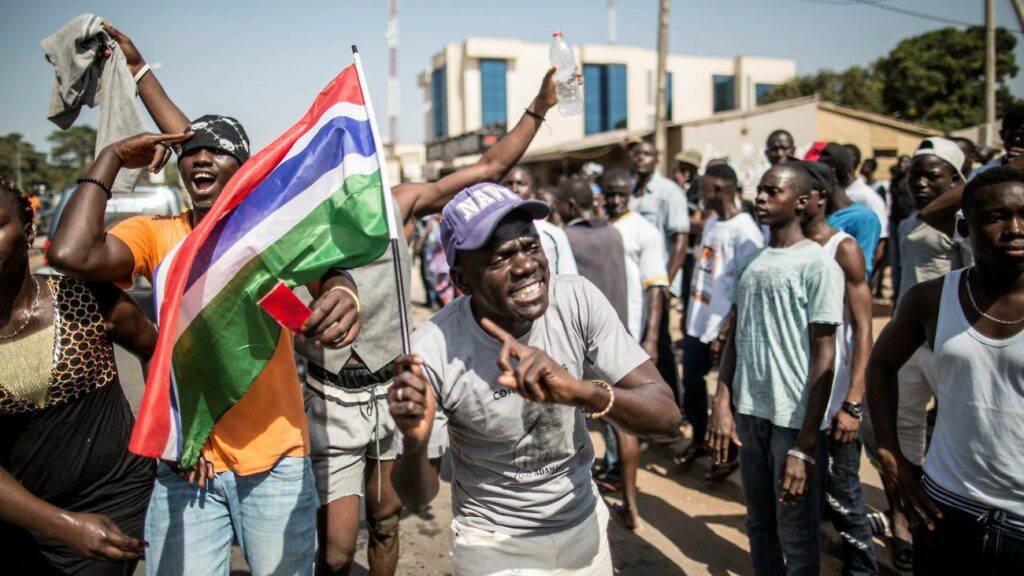
(Photo credit MARCO LONGARI/AFP/Getty Images)
Political pluralism should enhance governance, yet in The Gambia, it often produces disarray, where party formations are more about political negotiation than policy advancement.
Meanwhile, social media amplifies the voices of self-proclaimed analysts, commentators, and influencers, many of whom offer opinions without substantive knowledge. They fuel misinformation, shaping political narratives that are often detached from reality. This distortion allows opportunists to exploit public sentiment, further complicating the political landscape.
While politicians engage in power roulette, ordinary Gambians continue to struggle under the weight of economic challenges, governance failures, and unfulfilled promises. The country needs visionary leadership, not individuals playing chess with coalition deals.
The focus should be on policy, development, and tangible progress, yet the energy spent on political maneuvering often overshadows discussions on governance. The Gambian people deserve leaders committed to solving national issues rather than those strategizing their next political appointment.
As The Gambia heads toward the 2026 elections, it must confront a fundamental question. Are political parties being formed to drive governance, or simply to position individuals for political favours? Are coalition discussions centred on national progress, or are they merely a mechanism for distributing power? Will Gambians demand leadership grounded in accountability, or continue witnessing the political lottery unfold?
Political pluralism should not be a game of patronage, but a force that empowers democracy, strengthens institutions, and drives national development. If forming a party is just another lottery ticket, then Gambians must demand more than symbolic party names and vague manifestos—they must demand governance that prioritises the people over personal ambition.
The cycle must end, and accountability must take precedence over political bargaining. Otherwise, the jackpot will remain reserved for the few who know how to play the game, while Gambians continue to wait for the dividends of real leadership.
By Alagi Yorro Jallow








Recent Comments