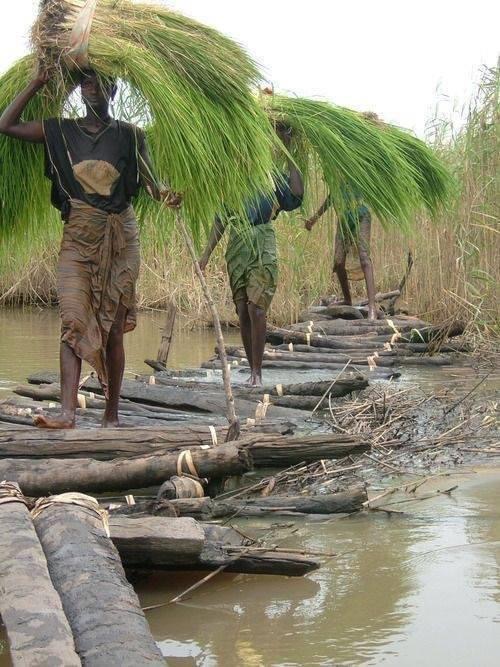
The African Development Bank (AfDB) Group has approved a $19.93 million grant to finance a landmark initiative aimed at supporting vulnerable youth and women in The Gambia, with a focus on improving access to basic social services and tackling the root causes of poverty and instability.
The Resilience Building – Vulnerable Youth and Women Support Project is designed to address pressing socio-economic challenges by creating sustainable livelihoods, reducing irregular migration, and preventing conflict through early intervention. It falls under the Bank’s Prevention Envelope of the Transition Support Facility (TSF), which promotes proactive responses to fragility and conflict drivers.
The Gambia continues to face high levels of poverty and inequality, with 53.4% of the population living below the poverty line, and youth unemployment at 38.6%. Rural areas remain particularly disadvantaged — 76% of rural residents live in poverty, compared to 34% in urban areas. Women are especially impacted, with 1.3 unemployed women for every unemployed man.
Despite significant progress in electricity access at the national level, disparities remain stark. In regions such as Kuntaur and Janjanbureh, fewer than 25% of residents have access to electricity, compared to 95% in the capital, Banjul. Malnutrition also remains widespread, affecting one in four children.
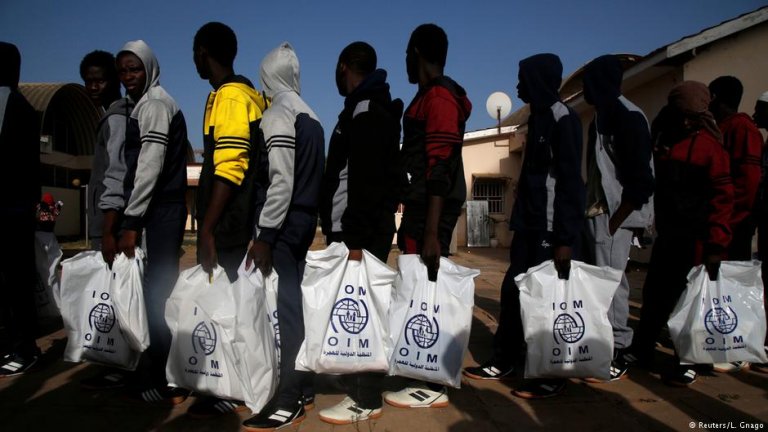
“This project represents our commitment to tackling the foundational causes of fragility, poverty, exclusion, and lack of opportunity by investing in people and systems that build community resilience and hope,” said Dr Joseph Ribeiro, AfDB Deputy Director General for West Africa and Country Manager for The Gambia. “Through the TSF Prevention Envelope, we are acting early to prevent conflict and youth migration by fostering inclusive growth, gender equality, and institutional stability.”
The project is expected to deliver wide-reaching impacts:
- 1,500 new jobs created and productivity improved for 5,000 existing roles.
- Annual skills training for 500 youth in high-demand sectors including agriculture, ICT, engineering, and renewable energy.
- Support for 500 women-led micro and small enterprises and 50 women’s cooperatives.
The grant will also fund the rehabilitation of four primary health centres in underserved regions including Basse, Kuntaur, and Janjanbureh — areas with some of the country’s highest maternal mortality and malnutrition rates. Nutrition surveillance systems will screen 22,000 children, with treatment support for 1,000 children requiring specialist care.
To address rising food insecurity — which has increased from 13.4% in 2021 to 29% in 2023, with peaks of 61% in Kuntaur — the project will promote climate-smart agriculture and strengthen local value chains to improve food resilience.
A major focus will be placed on financial inclusion, targeting the 77% of Gambian youth currently excluded from formal financial services. The initiative will introduce dedicated credit lines and business development support, particularly for women entrepreneurs facing barriers to capital and markets.
In addition, the project will expand efforts to combat gender-based violence, promote gender equality, and enhance government capacity for data-driven policymaking and monitoring fragility trends.
Civil society organisations, including the Association of Non-Governmental Organizations (TANGO), will play a key role in ensuring the project remains inclusive, participatory, and aligned with national development priorities.





Recent Comments