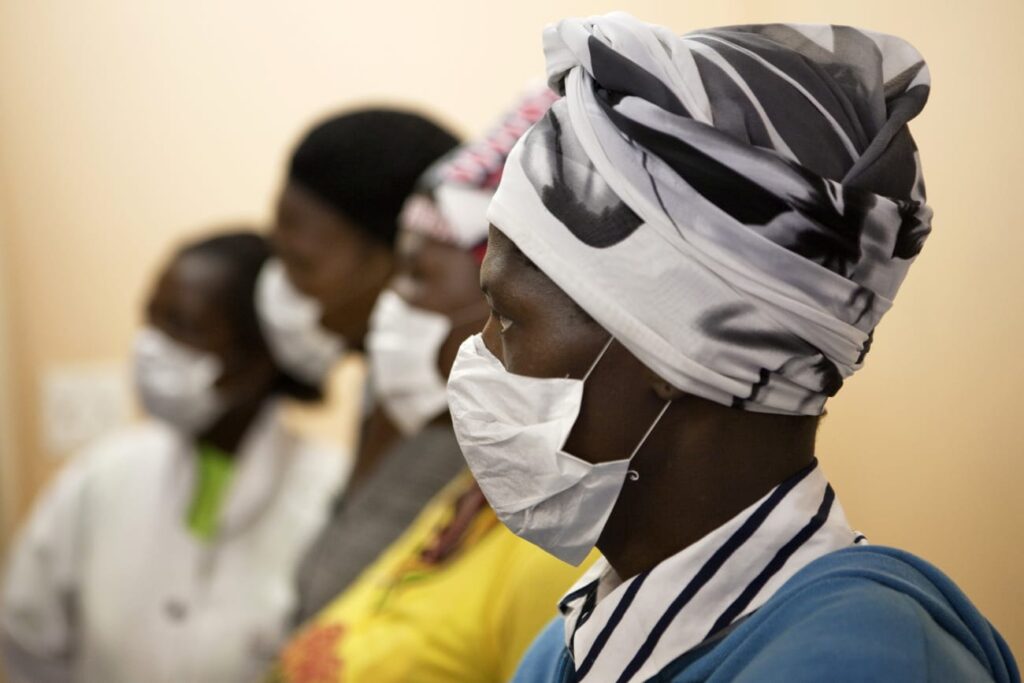
The Africa Centre for Disease Control and Prevention (Africa CDC) has warned that tuberculosis (TB) remains one of the deadliest infectious diseases on the continent, posing a serious threat to public health.
TB, an airborne disease, spreads when an infected person coughs, sneezes, or spits, releasing germs into the air.
According to Africa CDC, TB is the ninth leading cause of death worldwide and the top killer among people living with HIV. In 2016 alone, 10.4 million people fell ill with TB globally, with 2.5 million cases reported in Africa.
That same year, 1.7 million people died from the disease worldwide, including over 417,000 in Africa.
Between 2000 and 2014, effective diagnosis and treatment helped save 10 million lives across the continent.
The organization stressed that ending TB by 2030 is a core target under the Sustainable Development Goals, aligned with the 2013 Abuja Declaration, which sets a goal to eliminate TB in Africa by the same year.
Symptoms of active TB include persistent cough, sometimes with blood, chest pains, weakness, weight loss, fever, and night sweats.
While TB is curable with a six-month course of four antimicrobial drugs under medical supervision, drug-resistant strains such as multidrug-resistant TB (MDR-TB) and extensively drug-resistant TB (XDR-TB) present significant treatment challenges, requiring longer, costly therapies.
Africa CDC emphasizes prevention through early detection, treating active and latent infections, and strict infection control in hospitals.
Other preventive measures include pasteurizing milk to avoid bovine TB. Although a vaccine exists, it provides only limited protection, highlighting the importance of early diagnosis, treatment, and public awareness to control the disease in Africa.
By Adama Makasuba





Recent Comments