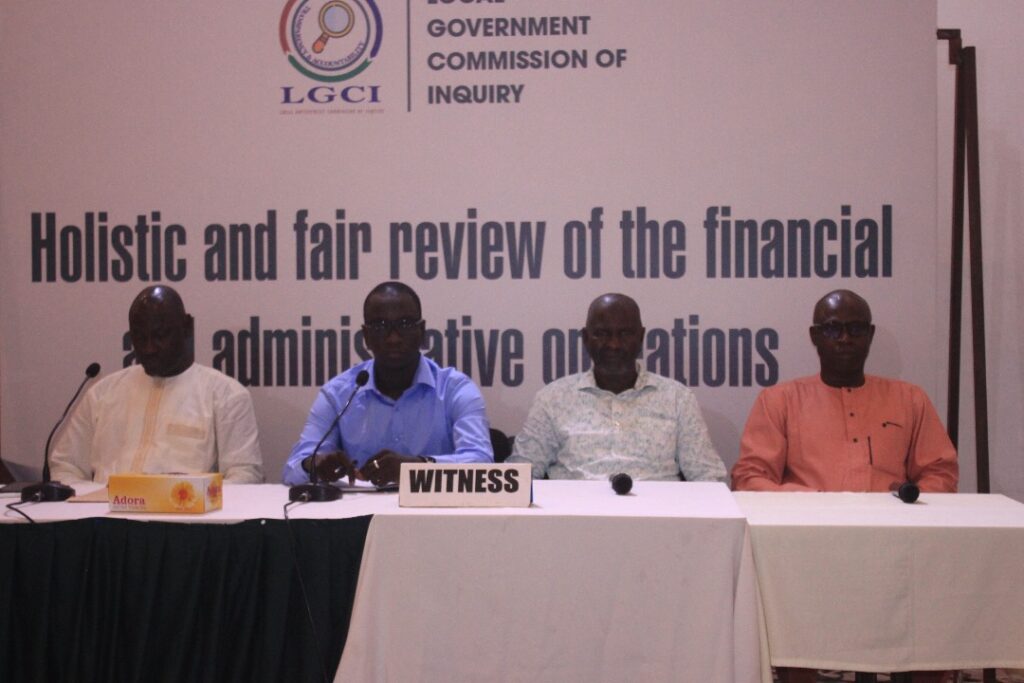
The procurement of specialised waste collection trucks by the Brikama Area Council (BAC) in 2020 is under intense scrutiny, as the Local Government Commission of Inquiry investigates alleged procedural irregularities, supplier misrepresentation, and breaches of public procurement rules.
The inquiry focuses on the acquisition of five 6-cubic-meter garbage compactor trucks and three 6-cubic-meter skip loader trucks from 5C Energy, in a contract worth around $200,000.
Evidence shows council officials began engaging the company in 2019, almost a year before the Gambia Public Procurement Authority (GPPA) was formally approached for approval.
Concerns emerged over a China trip by former BAC chairman Sheriffo Sonko, sponsored by the company, which councillors said lacked proper consultation.
Council minutes highlighted internal debate over transparency, unclear pricing, and potential conflicts of interest.
Former BAC CEO Modou Jonga admitted before the Commission that his letter to GPPA claiming 5C Energy was the only supplier was false.
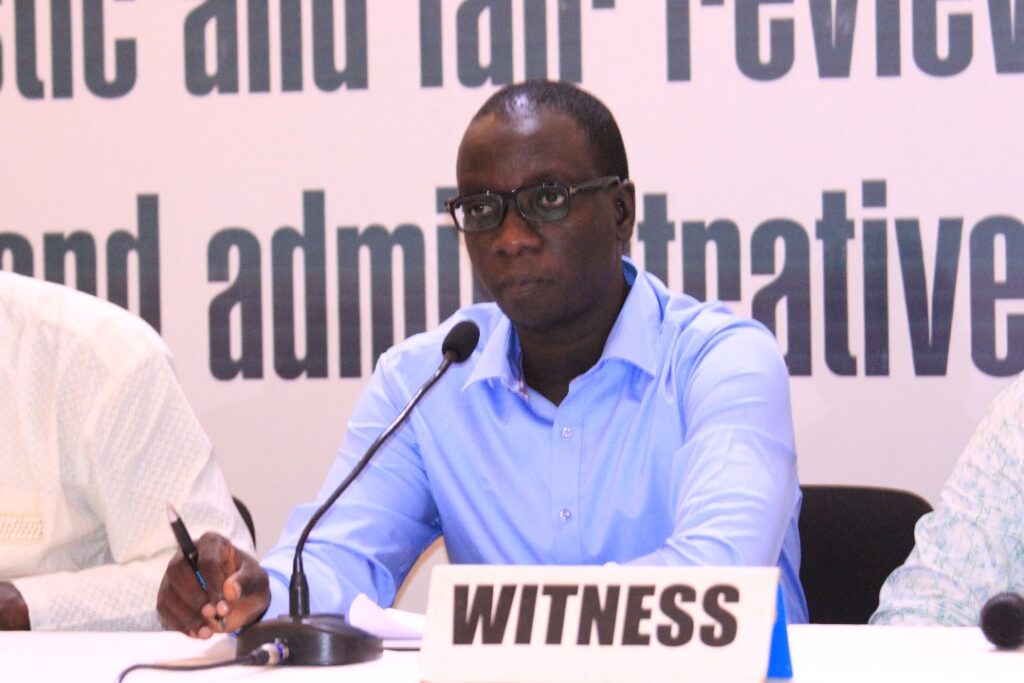
“There was no market research,” he said, acknowledging the claim was untrue and breached GPPA rules requiring a proper market survey to ensure fair and transparent procurement.
GPPA officials testified on their handling of the procurement.
Former director general Saloum Malang said he approved the contract based on public health grounds, citing a hire-purchase arrangement and the risk of worsening sanitation post-COVID-19.
However, GPPA training officer Jainaba Jallow and director Ebrima Sanyang highlighted missing documentation, unsigned requisition forms, and deviations from normal approval procedures.
Evidence also revealed BAC had effectively committed to 5C Energy prior to GPPA approval, importing the trucks and entering verbal agreements. Council minutes noted councillors’ concerns over Sonko’s unsanctioned trip and lack of internal consultation, raising questions of governance and ethics.
The Commission was told that single-sourcing was applied without proper justification and that no market survey confirmed the supplier’s exclusivity.
Malang admitted his approval relied on the CEO’s assertions, despite missing evidence, while Gomez, counsel for the Commission, argued no immediate public health threat warranted the expedited decision.
The inquiry underscores critical gaps in transparency, accountability, and adherence to procurement regulations.
By Adama Makasuba





Recent Comments