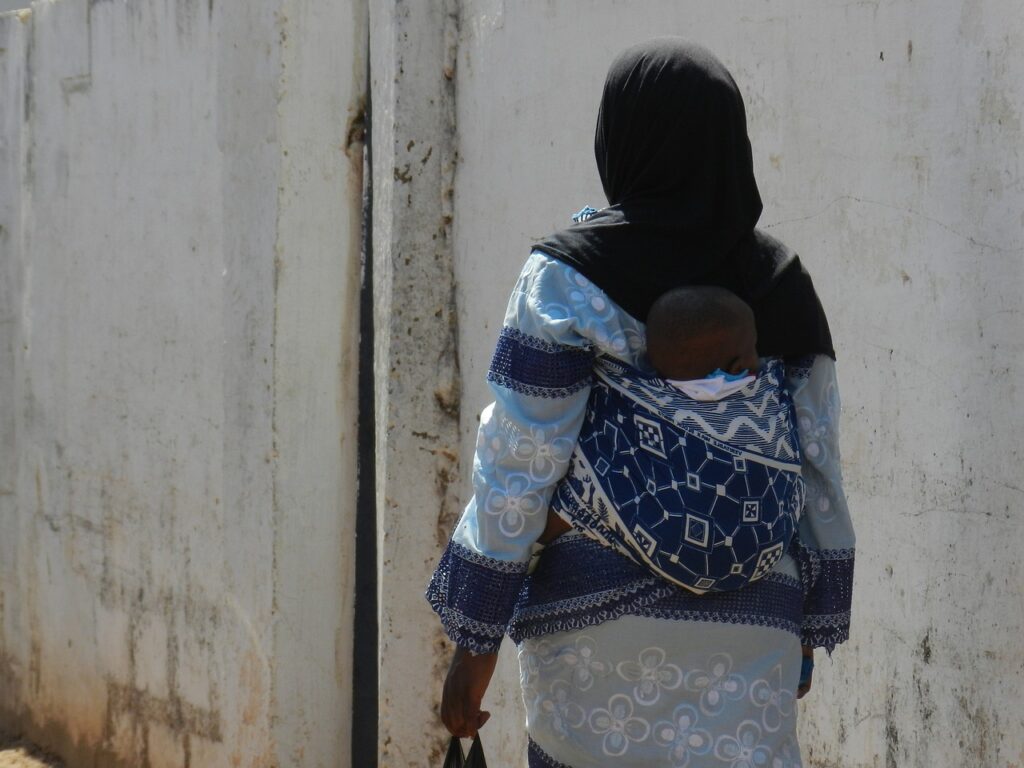
The death of baby Sarjo Conteh has sparked renewed debate over the practice of female genital mutilation (FGM) in The Gambia.
Civil society groups, including Concerned Citizens (CC), Gambian Women Are Free to Choose, the Women’s Association for Islamic Solidarity, and the Islamic Enlightenment Society, have expressed deep sorrow and extended condolences to the family.
According to police reports from 10 and 12 August and a medical report from the Edward Francis Small Teaching Hospital (EFSTH), Baby Sarjo’s death is allegedly linked to excessive bleeding following an FGM procedure.
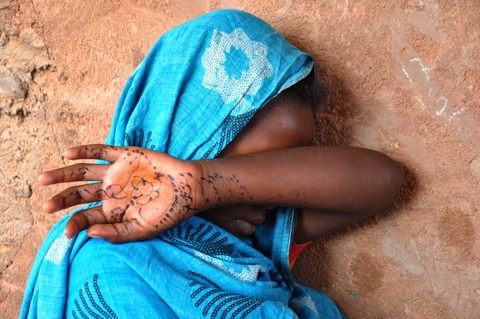
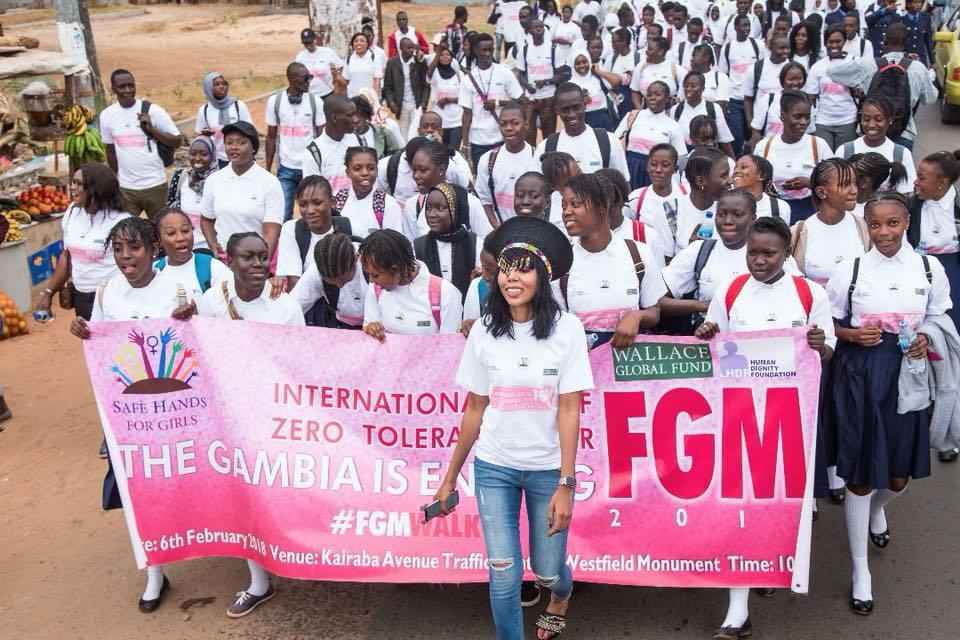
FGM has been banned in The Gambia since 2015 under the Women’s Act, which criminalises the practice. Offenders face prosecution, though enforcement has been inconsistent, with critics claiming the law has pushed the practice underground and increased health risks for girls and women.
Concerned Citizens and allied groups argue the ban lacks broad public support and has led to what they describe as the harassment of women performing traditional or religious circumcision. They cited previous prosecutions in Kuntaur and Wellingara as examples and called for the law’s repeal in favour of a regulated, medicalised framework allowing certified practitioners to perform the procedure.
They claim such an approach would reduce the risk of complications, like those allegedly suffered by Baby Sarjo, while respecting cultural and religious traditions.
Government officials have not yet commented on the case. Legal experts, however, stress that under current law, FGM remains strictly prohibited and those responsible could face criminal charges.
By Adama Makasuba





Recent Comments