
The director general of the Drug Law Enforcement Agency, The Gambia (DLEAG), Demba Ceesay, has raised concerns about the growing prevalence of illicit drug use and trafficking in the country, particularly among young people.
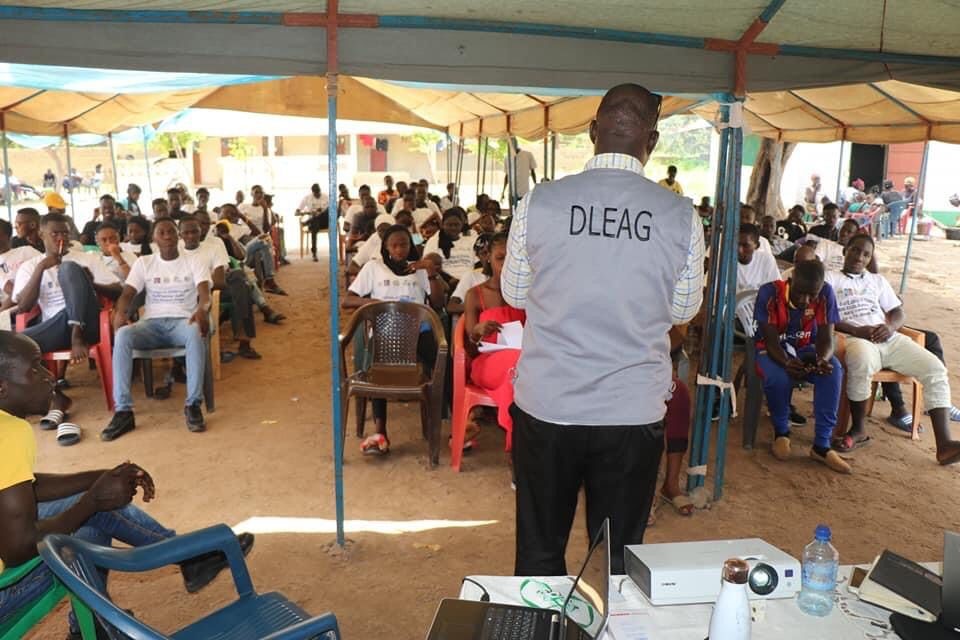
Speaking at an event to mark the International Day Against Drug Abuse and Illicit Trafficking 2025, Mr. Ceesay said the country continues to face a rise in synthetic drugs and new psychoactive substances (NPS), posing a “tremendous social menace.”
“Prohibited substances such as synthetic cannabis, crack cocaine, kush, molly, and hashish, as well as controlled drugs like ecstasy, tramadol and clonazepam, are being trafficked and abused across our borders and streets,” he said.
He added that The Gambia’s location along the transatlantic cocaine route makes it particularly vulnerable, noting a surge in cocaine trafficking across the subregion.
According to Mr. Ceesay, the Agency apprehended 1,219 individuals in 2024 across 1,208 drug-related cases, including 205 foreign nationals from countries including Senegal, Nigeria, the United States, and the United Kingdom.
Seizures included 1.9 tonnes of cannabis sativa, 2.25 tonnes of cannabis from plantations, 125 kilograms of cocaine, 13.9 kilograms of kush, and 104,936 MDMA tablets. Methamphetamine tablets, cannabis resin, infused edibles, crystal meth, vapes, and other prescription drugs were also recovered.
Cannabis remains the most prevalent drug, accounting for over 54% of cases, followed by kush, methamphetamine, and hashish. The second half of 2024 saw a 42% rise in interdictions, attributed to operational restructuring within DLEAG.
Prosecution outcomes also improved significantly, with 207 successful prosecutions recorded in 2024—a 92% increase in the second half of the year alone.
Mr. Ceesay announced that construction of The Gambia’s first national drug rehabilitation centre is now underway in Tranquil, West Coast Region, in partnership with the ECOWAS Commission.
The centre is expected to enhance treatment and recovery services for those suffering from substance use disorders.
He also noted that the agency’s efforts extend beyond enforcement. Public education campaigns, radio outreach, school sensitisation, and civil society partnerships have been key to demand-reduction strategies, especially targeting youth and local communities.
Mr. Ceesay expressed gratitude to national security institutions including the police, immigration, and armed forces for their operational support.
He also thanked development and diplomatic partners such as UNODC, the ECOWAS Commission, the European Union, and embassies of Turkey, China, the US, and Spain.
He called on the general public to remain vigilant and collaborate with law enforcement.
“Our success in the fight against drugs is highly dependent on public cooperation. We urge citizens to share information on suspicious activities,” he said.
By Adama Makasuba





Recent Comments