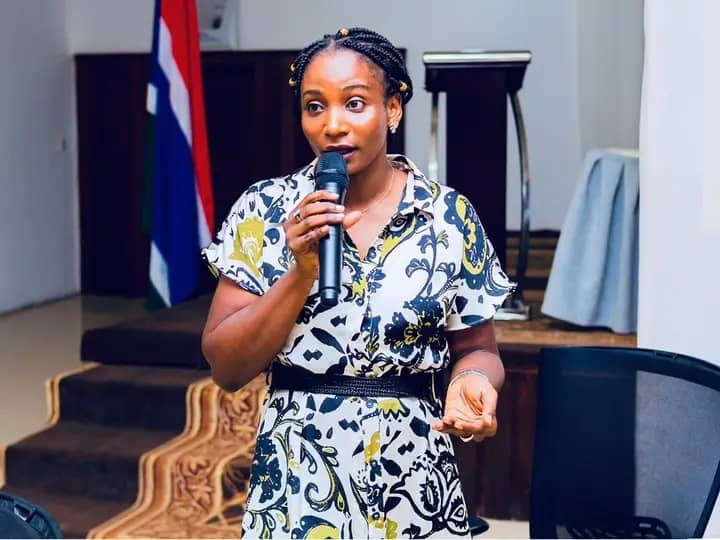
For decades, Fatou Baldeh has been at the forefront of efforts to end the cutting of women and girls in The Gambia, a practice that remains widespread despite being outlawed.
Female genital mutilation (FGM), as it is commonly called, is deeply rooted in Gambian culture, with many seeing it as both a traditional and religious obligation.
According to UNICEF, approximately 73% of Gambian women aged 15 to 49 have undergone FGM, highlighting the persistence of the practice despite legal prohibitions introduced in 2015.
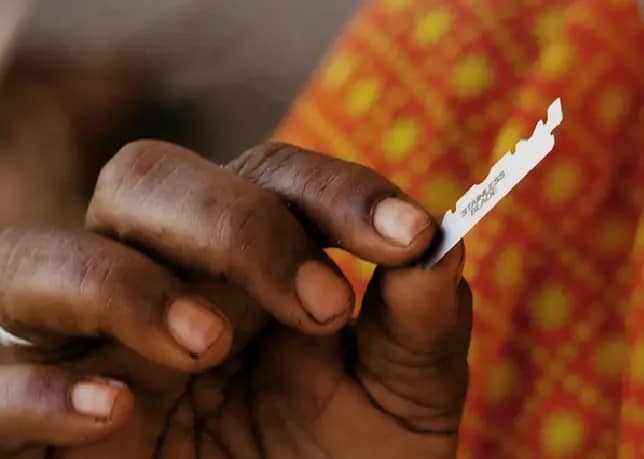
Supporters often argue that cutting reduces sexual desire and helps prevent promiscuity.
Campaigners like Ms Baldeh, 42, however, describe these beliefs as harmful myths used to justify a violation of human rights.
The dangers of FGM were tragically illustrated recently when a one-month-old baby girl died following the procedure. Three women were charged in connection with the case.
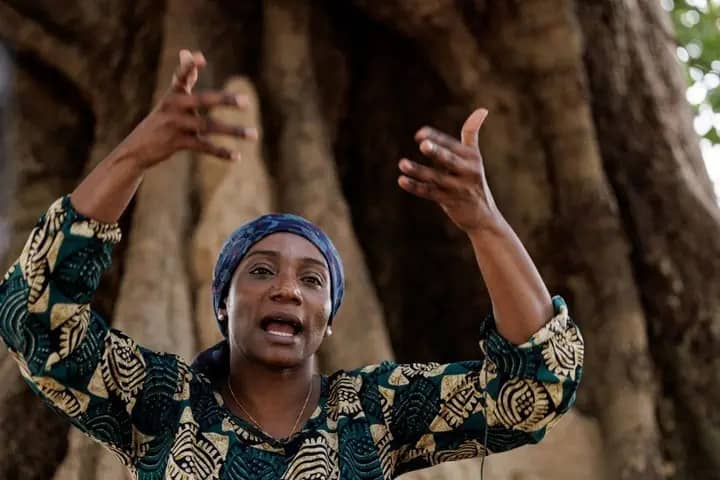
Fatou Camara, 70, faces life imprisonment if convicted under Section 32A of the Women’s Amendment Act, while two others, Oumie Sawaneh and Hawa Conteh, were charged as accomplices under Section 32B but later released on bail.
While welcoming the charges, Ms Baldeh has called for stronger enforcement of the law.
She recalled a 2022 case in the Central River Region where perpetrators were fined but released, arguing that tougher punishments could have prevented the recent tragedy.
“If a proper example had been set at that time, we could have saved this baby. This is another opportunity to correct that error,” she tells Gambiana.
Ms Baldeh believes that serious penalties could help deter the practice.
She emphasises that cutting is never safe, particularly for infants, and that many practitioners lack the medical knowledge necessary to carry out the procedure safely.
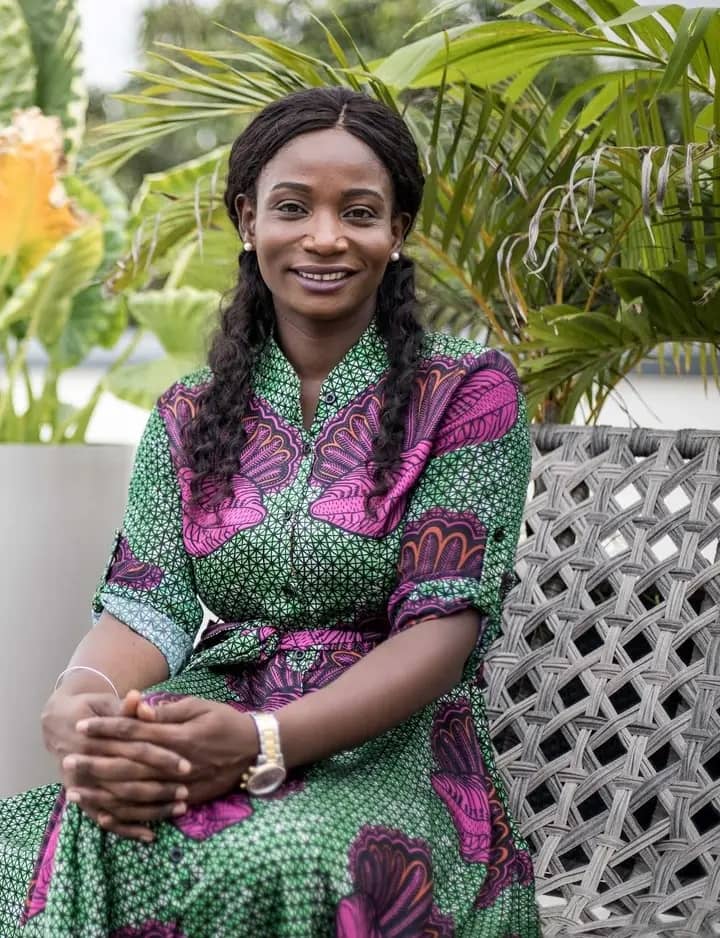
“We should not be burying babies unnecessarily in the 21st century,” she says.
“FGM is rooted in harmful social norms that aim to control women’s sexuality. It is not a religious requirement, and increasingly, women are speaking out to reject it.”
The campaign continues amid resistance, but activists like Fatou Baldeh remain determined to challenge cultural norms, educate communities, and push for the full enforcement of laws to protect women and girls in The Gambia.
By Adama Makasuba





Recent Comments