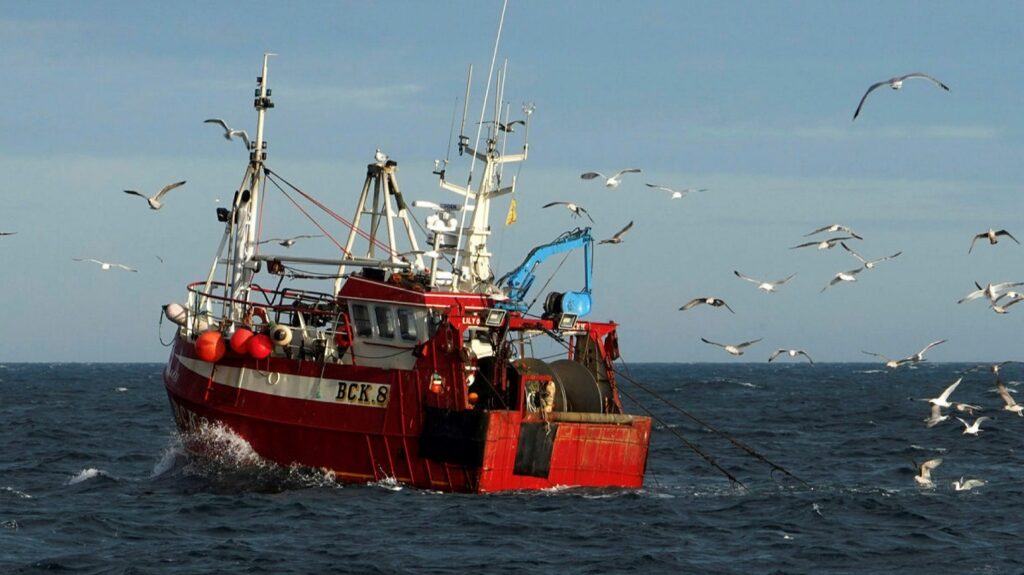
The Gambia’s six-year fishing agreement with the European Union is set to expire on 30 July 2025, bringing to an end a deal that has sparked both economic debate and national controversy.
Under the agreement, EU vessels, primarily from Spain, Greece, and France, were permitted to fish up to 3,300 tonnes of tuna and related species annually, along with 750 tonnes of hake.
In return, the EU paid €550,000 each year, with roughly half (€275,000) allocated specifically to support The Gambia’s fisheries policy and sector development.
Signed in 2019, the agreement was designed to contribute to sustainable fishing while boosting the country’s economy.
However, it has faced criticism from segments of the Gambian public who view the deal as disproportionately beneficial to the EU and a loss for the nation’s marine resources.
Speaking at a recent government press briefing, the Minister of Fisheries and Water Resources, Musa Drammeh, defended the agreement but acknowledged that neither side was fully satisfied with the outcome.
“The European Union signed similar agreements with six other West African countries, all targeting the same species of tuna,” he said.
“Our agreement with the European Union has not been renewed. But we are looking into areas for possible renewal.”
With the agreement’s expiration looming, discussions continue about the future of Gambia’s fisheries sector and its approach to international partnerships.
Critics argue that more favourable terms and greater local benefit should be central to any future deals.
No formal negotiations have yet been confirmed for a renewal.
By Adama Makasuba





Recent Comments