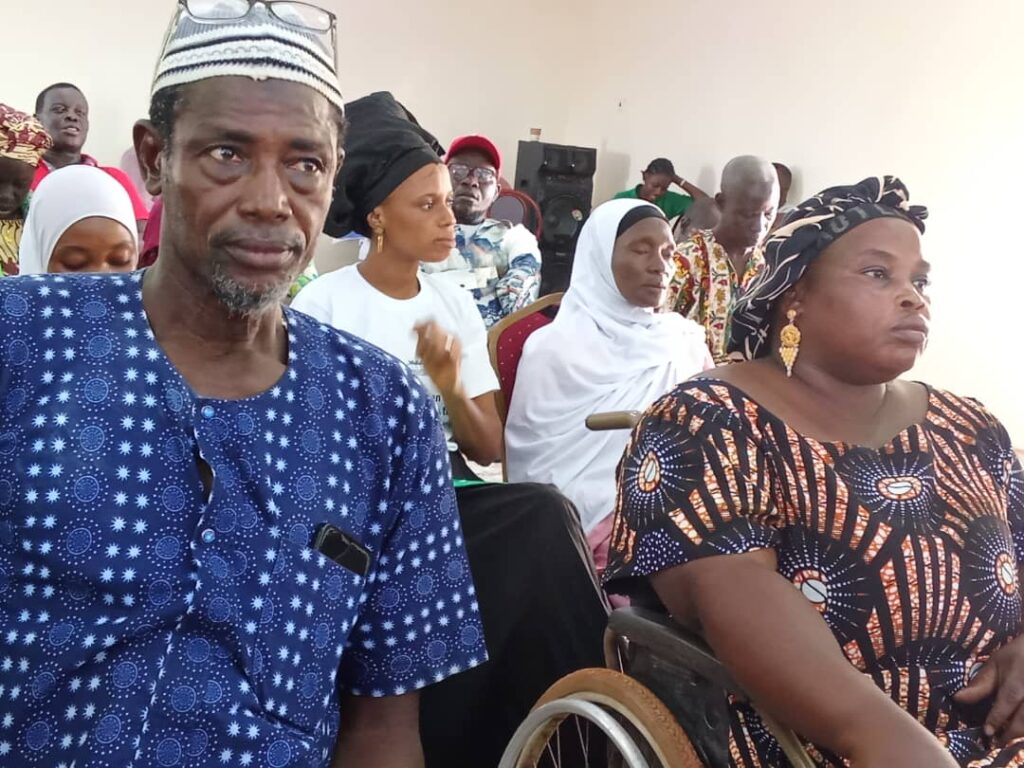
The National Disaster Management Agency (NDMA), with financial backing from ChildFund The Gambia, has concluded a two-day seminar in Pakalinding aimed at mainstreaming disability inclusion in disaster risk reduction (DRR) efforts.
Held at Mansa Wally Lodge, the participatory seminar brought together government officials, disability advocates, and development partners to explore concrete strategies for ensuring that persons with disabilities (PWDs) are not left behind in disaster preparedness, response, and recovery.
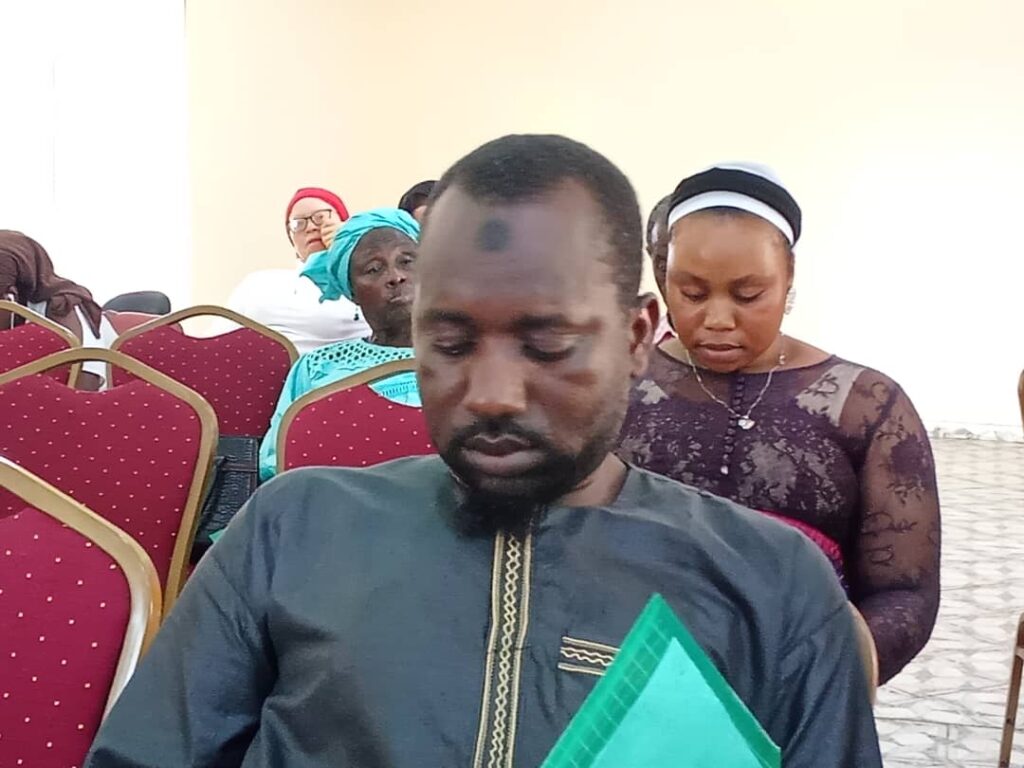
The event, chaired by Mr Sainey Camara, Executive Director of the Gambia Federation of the Disabled (GFD), included advanced training on Disability-Inclusive DRR, with a focus on empowering PWDs to actively participate in national disaster management systems.
“Disasters do not affect everyone equally,” noted NDMA Director of Operations Mr Baboucarr Ceesay, who led the training. He presented the agency’s governance structure, funding framework, and current DRR operations, before outlining the importance of adapting these systems to accommodate the lived realities of PWDs. His assistant expanded on the importance of inclusive assessment tools and early warning systems.
Key Barriers Identified
Participants identified several major challenges facing persons with disabilities in disaster contexts, including:
- Physical Barriers: Inaccessible buildings, lack of ramps, assistive devices, and covered drainage systems.
- Information and Communication Barriers: Limited access to emergency alerts in accessible formats such as braille, sign language, large print, or audio.
- Social Barriers: Stigma, discrimination, limited humanitarian support.
- Political/Institutional Barriers: Lack of representation in decision-making bodies and exclusion from DRR planning and implementation processes.
Action-Oriented Recommendations
The seminar concluded with a strong call to action, highlighting key recommendations to ensure disability inclusion across all stages of disaster risk management:
- Strengthen collaboration between NDMA and GFD in planning and response activities.
- Include PWDs as NDMA volunteers, data collectors, and participants in early warning systems.
- Ensure accessible communication through braille, sign language, tactile, large print, and multimedia formats.
- Build inclusive infrastructure and ensure emergency shelters and DRM institutions are physically accessible.
- Institutionalize the GFD’s role within the National Disaster Management Platform and ensure ongoing consultation.
- Update legal frameworks and DRM policies to reflect disability indicators and inclusive criteria.
- Allocate dedicated funding in DRM budgets for disability-focused interventions.
- Promote community ownership through local government participation in inclusive disaster planning.
Legal Framework and Human Rights
Principal Magistrate Muhammed Krubally, Chairperson of both the GFD and the National Advisory Council for Persons with Disabilities, highlighted the legal and moral imperatives behind inclusive disaster risk reduction. Referencing international and national frameworks such as the UN Convention on the Rights of Persons with Disabilities (CRPD), The Gambia’s Persons with Disabilities Act (2021), and the Sendai Framework, he reaffirmed the importance of autonomy, accessibility, participation, and non-discrimination.
“Inclusion is not a privilege. It is a right enshrined in our laws and international commitments,” Krubally stressed.
Development Partner Support
Madam Fanta Darboe, representing ChildFund The Gambia, applauded the initiative and reaffirmed the organisation’s commitment to supporting disability rights and inclusive disaster resilience through open collaboration.
The seminar marked a pivotal step toward embedding disability inclusion in disaster management across The Gambia, setting the stage for more equitable and effective response systems that leave no one behind.
By Madi MS Njie




Recent Comments