As we gather for the ECOWAS Sustainable Energy Forum, we must move beyond dialogue to decisive collaboration and innovative solutions.
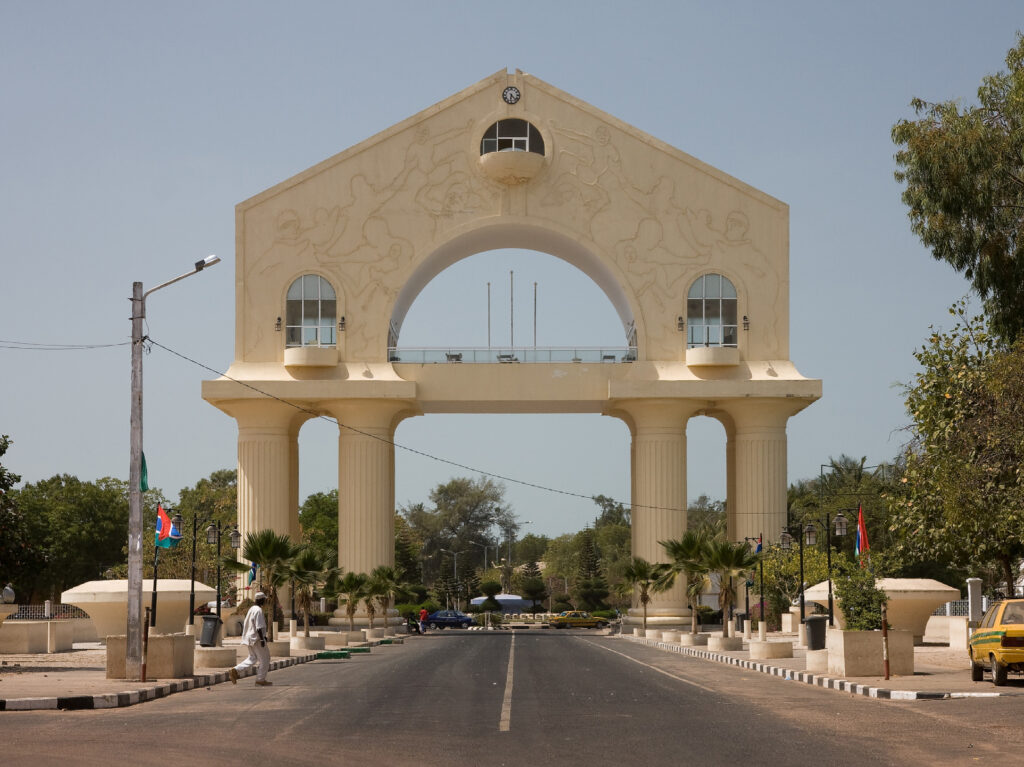
To the delegates, partners, and pioneers arriving in Banjul for the 10th ECOWAS Sustainable Energy Forum: Akwaaba. Bienvenue. Welcome.
We gather not only in The Gambia’s beautiful oceanic capital but at a decisive crossroads for our region. The theme of ESEF 2025, “Accelerating Sustainable Energy Infrastructure Solutions for Growth,” is more than a discussion point—it is an urgent call to courage and action.
The challenge is plain. More than half of West Africans live without reliable electricity, with rural electrification at just 8 per cent. Our economies remain tied to expensive and polluting fuels. Ageing power lines, chronic under-investment and utility insolvency deepen the crisis. Yet we are not short of resources: West Africa has sunlight, wind, water, and human talent in abundance. What we need now is execution.
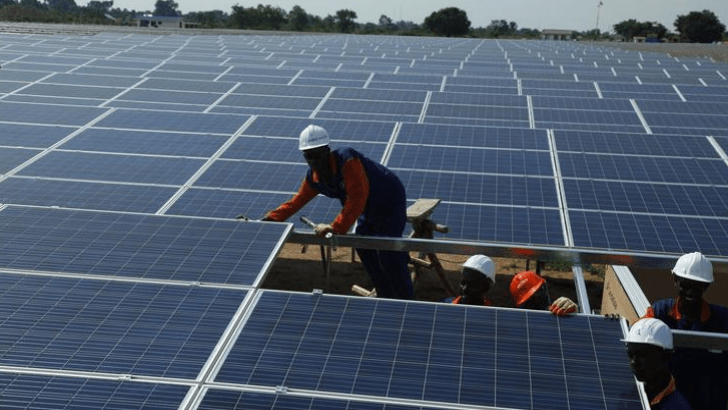
We already have bold frameworks: the ECOWAS Renewable Energy Policy and the Energy Efficiency Policy, both adopted in 2013, set ambitious targets. But policies alone cannot light classrooms or power clinics. People need results. And they need them now.
This forum must mark a turning point: from conversation to contracts, from pilot projects to large-scale solutions, from silos to true collaboration.
Three Imperatives for Banjul
1. Move Beyond the Grid, Together
The Regional Off-Grid Electricity Access Project (ROGEAP) is more than a session—it is a platform for action. To my fellow private-sector actors: come not only with business cards but with bankable projects and a willingness to partner, even with competitors. To our financiers and donors: help us shoulder the risks, and offer patient capital designed for our markets. The goal must be concrete—lighting up homes and businesses across ECOWAS, not in theory but in practice.
2. Embrace the Nexus: Energy is Everything
Energy is not a silo. It powers food systems, health services, and livelihoods. Solar irrigation boosts crop yields. Cold storage cuts post-harvest losses. Clean cooking frees women from smoky kitchens. Mini-grids power workshops and agro-processing hubs that create jobs. The energy transition must be designed around value creation for communities, not just megawatts on a spreadsheet.
3. Be Audaciously Creative (Without Reinventing the Wheel)
The discussions on Green Hydrogen and Sustainable Mobility should push us to think beyond incremental change. However, audacious creativity does not mean starting from scratch. We must learn from global leaders who accelerated their progress by adapting existing technologies to their unique contexts.
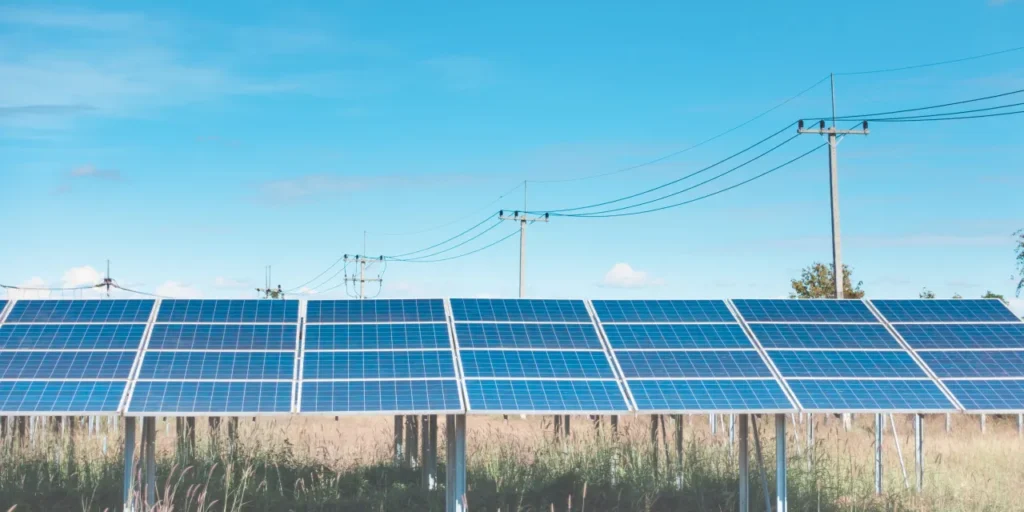
Consider China’s approach to solar power. They did not invent the photovoltaic cell, but they mastered its mass production and deployment, driving down costs for the entire world and becoming the dominant global force. Their strategy was not to reinvent the wheel, but to own the factory that builds it.
West Africa must apply this same pragmatic ingenuity. We have the sun, the space, and a youthful population eager for innovation. Let us dare to pilot green hydrogen projects and e-mobility corridors, but let’s do it by leveraging proven technologies and forging partnerships with those who have already paved the way.
Let’s focus our limited resources on adapting and integrating these solutions for our specific markets—creating local maintenance networks, developing tailored financing models, and building the regulatory frameworks that allow them to thrive.
The goal is not to invent a new kind of solar panel in a lab, but to build the most efficient, scalable, and affordable off-grid solar ecosystem on the planet. History doesn’t just favour the bold; it favours the smart, the pragmatic, and the collaborative. Let’s stand on the shoulders of giants to build our future faster.
A Call to Action
• Private Sector: Share lessons, pool capacities, and form consortia to deliver projects too large for any single company. Market growth depends on collective effort.
• Donors and Financial Partners: Simplify procedures, adapt instruments to African realities, and trust local enterprises that know the terrain. Grant funding should seed innovation; debt should be long-term and affordable.
• Policymakers and Regulators: Create the enabling frameworks. Harmonise rules across borders, streamline permits, enforce contracts, and ensure regional power trade flourishes. Without policy certainty, investment will remain hesitant.
More Than a Venue
Banjul’s welcoming shores offer more than a meeting place. They offer us a blank page on which to script a different future for West Africa. Let us leave not only with speeches and communiqués but with signatures on agreements. Not just with aspirations but with projects ready to scale. Not just with hope but with evidence that we have moved from rhetoric to delivery.
The light we seek is not only electrical. It is intellectual, collaborative, and transformative. May it shine across all of ECOWAS, lifting communities out of darkness and illuminating a pathway to prosperity.
By Abdul-Wahab Raaj, Managing Director of Suka PowerGhana, participating in the ECOWAS Sustainable Energy Forum (ESEF 2025)







Recent Comments