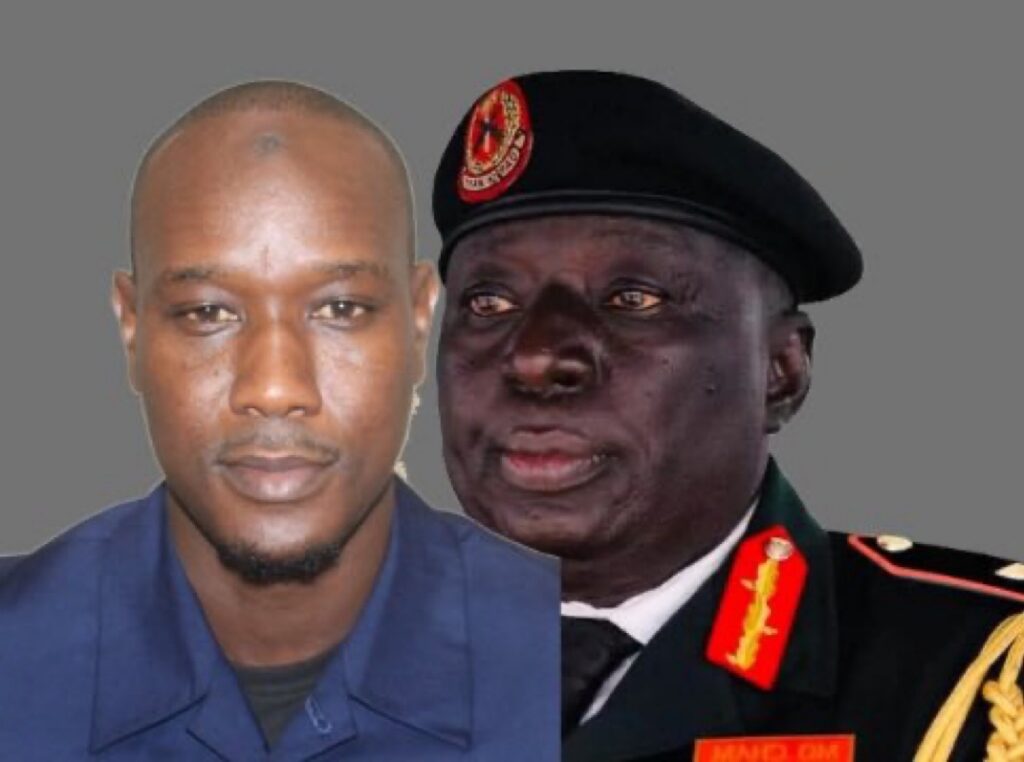
The resignation of former Chief of Defense Staff Lieutenant General Mamat O. A. Cham has stirred public debate, some emotional, some political, yet often missing the core issue.
This is less a political drama and more a legal and institutional test for The Gambia. In a nation where high-profile resignations are rare, his choice to step down is a positive step.
But stepping down is not vindication, nor is it absolution or bravery. It’s simply removing a shield and clearing the way for accountability. Now that he’s left office, the legal process should run its proper course.
In our constitutional system, everyone, including senior military officials, is considered innocent until proven guilty. That doesn’t mean skipping investigations; it calls for them. Claims of corruption, especially those involving public resources and trust, need to be investigated carefully, fairly, and without delay.
Some say the public is “celebrating” Cham or treating his resignation like an act of heroism, but that’s overstating it. No one’s called him a hero or claimed stepping down is some grand gesture. The point is simple: in politics, where people often cling to their positions even amid scandal, resigning is at least a step in the right direction.
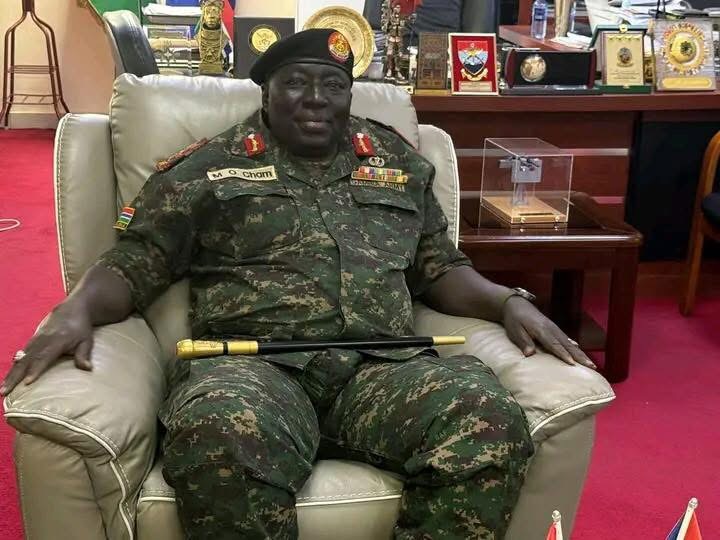
It clears the way for investigations, prevents the office from being used as a shield, and sets the stage for accountability. Still, resignation isn’t the end; it has to be followed by a real, transparent, and professional investigation.
In countries with strong institutions, like the United States, even top military and defense officials have faced prison time for corruption. Accountability doesn’t end with the lower ranks; it’s blind to uniforms, titles, or seniority, and it doesn’t favor the powerful while punishing the powerless.
In The Gambia, however, a young soldier can be court‑martialled for stealing a bag of rice, while senior officials accused of far more serious offenses often walk away untouched. This double standard is corrosive. It weakens morale within the armed forces. It erodes public trust. It signals to the nation that justice is selective, not blind.
This is why the former CDS’s resignation is not a badge of honor; it is simply the removal of an institutional barrier. It creates the conditions for accountability to begin. But it does not replace accountability.
As a media observer puts it point: true courage would have been to stay in office, face the investigation, and clear his name in public. Still, resigning matters too; it stops the office from being used as a shield, lets the investigation move forward without interference, and helps protect the institution’s integrity.
If the allegations are proven true, then this is not a legacy any honourable member of the armed forces would wish to carry. If they are false, then only a transparent investigation can restore his reputation.
Either way, the truth cannot be left to speculation, rumor, or political convenience.
It’s time for the state to step up. The President, as Commander‑in‑Chief, needs to ensure the matter is officially referred for investigation.
The Ministry of Defence should fully and openly cooperate. The Attorney General’s Chambers must handle the allegations with the seriousness they warrant.
Oversight bodies have to act without fear or bias. The Gambian people deserve answers, the armed forces deserve integrity, and the rule of law deserves to be upheld.
For The Gambia to grow as a democracy, this moment needs to be a turning point: an end to selective justice, an end to institutional silence, and the start of a culture where the law applies equally to everyone from the lowest-ranking soldier to the highest commander. Stepping down isn’t the end of accountability; it’s where it begins. And responsibility should never stop at the lower ranks.
By Alagi Yorro Jallow








Recent Comments