
During the recent protest at the Public Utilities Regulatory Authority (PURA), a common statement directed at the police was: “We pay your salaries as police officers.”
While such remarks are often made in the heat of emotions, they reflect a serious misunderstanding of how government institutions function and how salaries, including those of the police, are funded. It is important to address this misconception respectfully and factually.
To begin with, it is true that all government workers, including police officers, are paid through the state’s consolidated revenue. That revenue largely comes from taxes, fees, and other state income.
However, what many civilians overlook is the fact that police officers themselves are also taxpayers.
Each officer’s salary is subject to deductions just like any other worker’s. They contribute to the same national treasury that funds their pay, meaning they do not stand apart from the taxpaying public but are part of it.
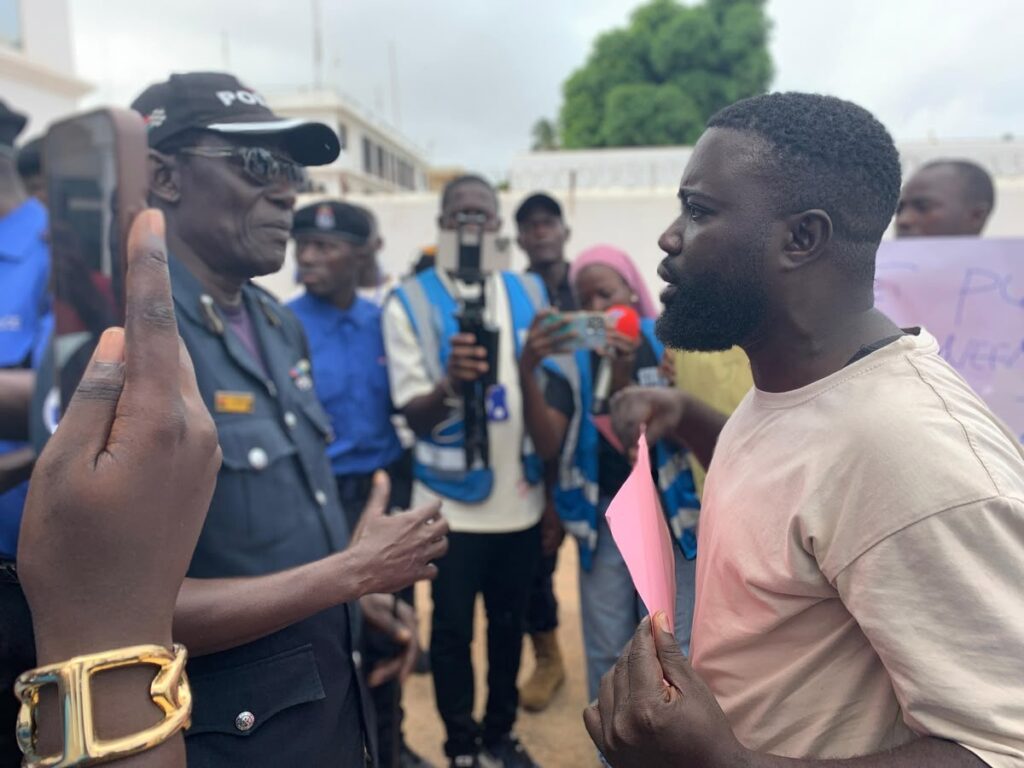
To claim otherwise is to suggest that officers live off others without contributing, which is far from the truth.
Furthermore, the statement tends to undermine the principle of public service. Police officers are not employees of individual citizens, nor do they serve at the whim of those who pay taxes.
They are officers of the state, bound by law and oath to serve the entire nation impartially. Their duty is to maintain peace, protect life and property, and uphold the rule of law; responsibilities that often require them to risk their own safety.
To reduce this noble service to a simplistic notion of “being paid by civilians” is not only unfair but also dismissive of the sacrifices officers make daily.
In addition, society operates on reciprocity. Just as taxpayers’ contributions help fund public institutions, so too do the services of police officers enable the stability in which businesses, markets, and public utilities can operate.
Without law and order, the very economic activities that generate tax revenue would collapse. This means that the relationship between the public and the police is not one-sided; it is a partnership in which both sides contribute to the functioning of the nation.
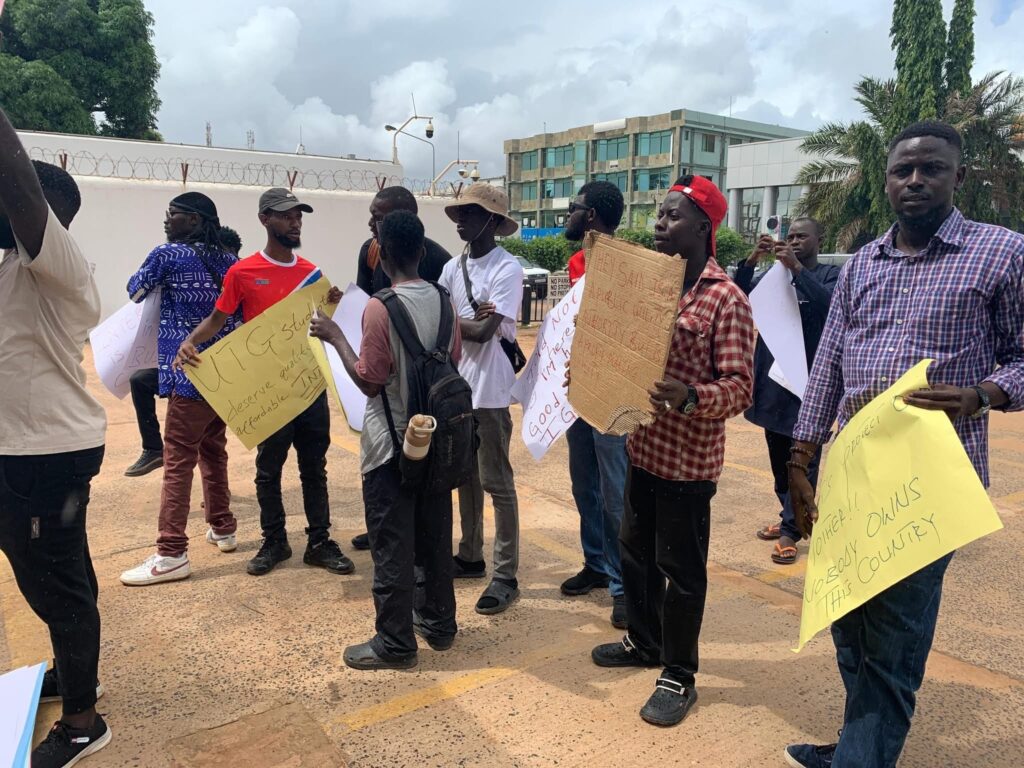
Lastly, such statements, when used during public demonstrations, risk damaging the relationship between the community and the police.
Peaceful protests are a democratic right, and police officers are deployed not as enemies of the people but as guardians of order, ensuring that the rights of all; protesters and non-protesters alike; are respected.

Resorting to phrases that belittle the officers’ humanity and contributions only fuels division instead of promoting constructive dialogue.
In conclusion, the claim that “we pay your salaries” misrepresents the reality of taxation and public service. Police officers, like all other citizens, pay taxes and contribute to the nation’s welfare.
They are not outsiders living off public funds but partners in nation-building. While citizens have every right to hold officers accountable, such accountability should be exercised with fairness, respect, and recognition of the shared sacrifices made to keep society safe and functional.
By Ebrima Sanyang







Recent Comments