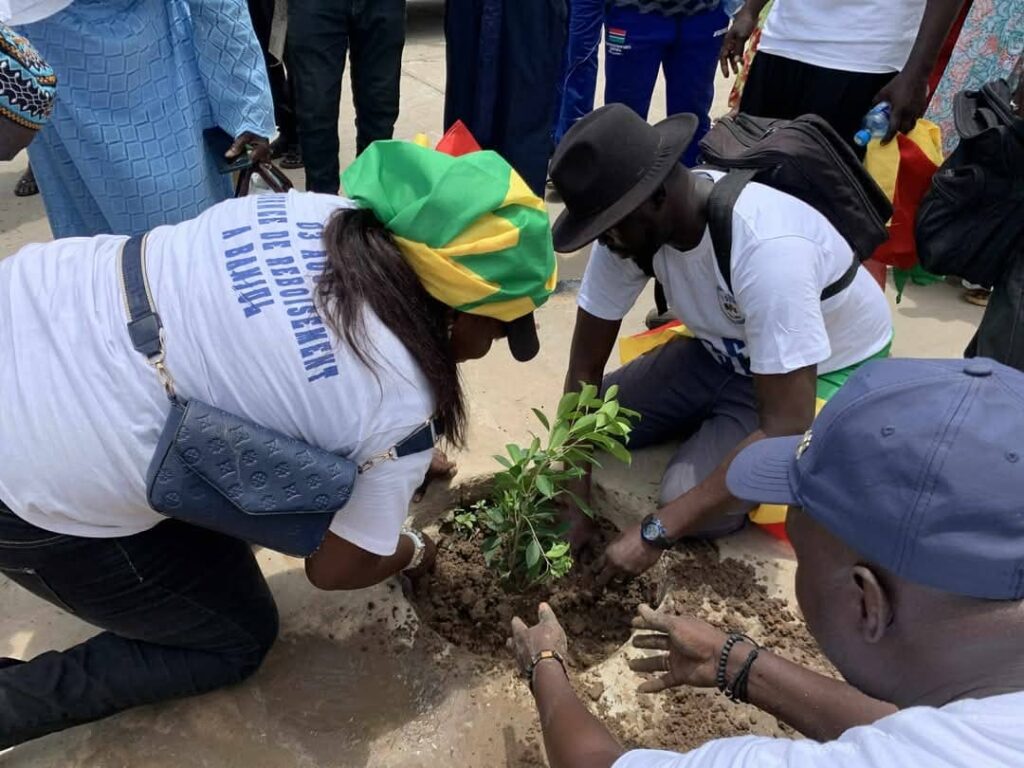
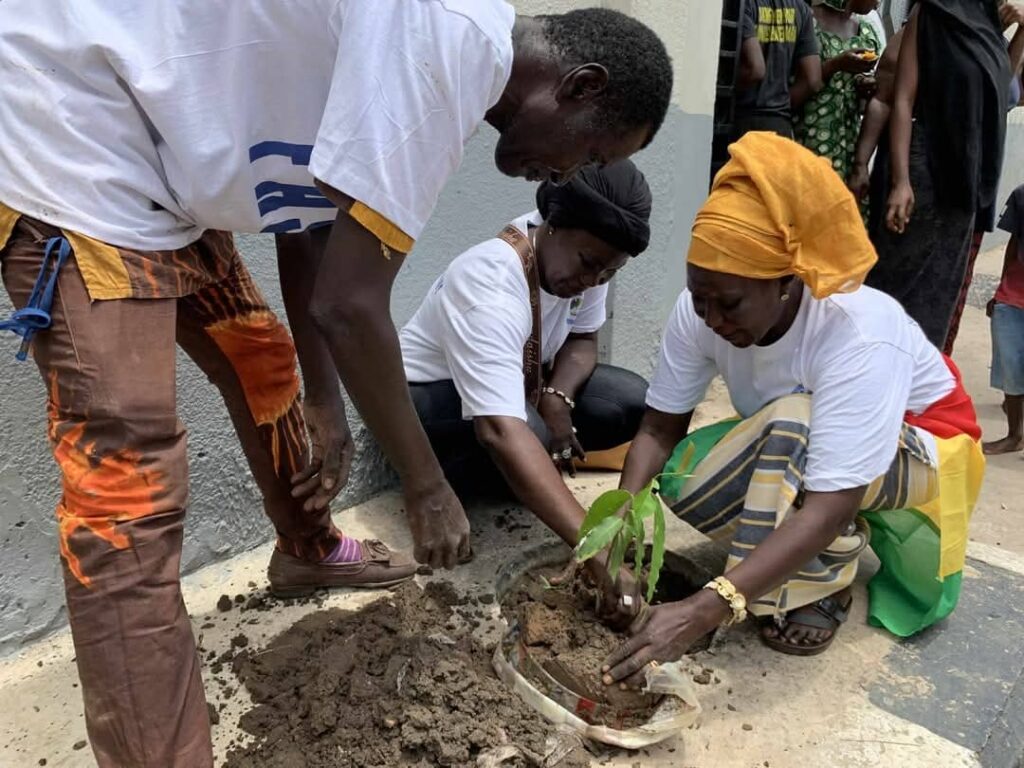
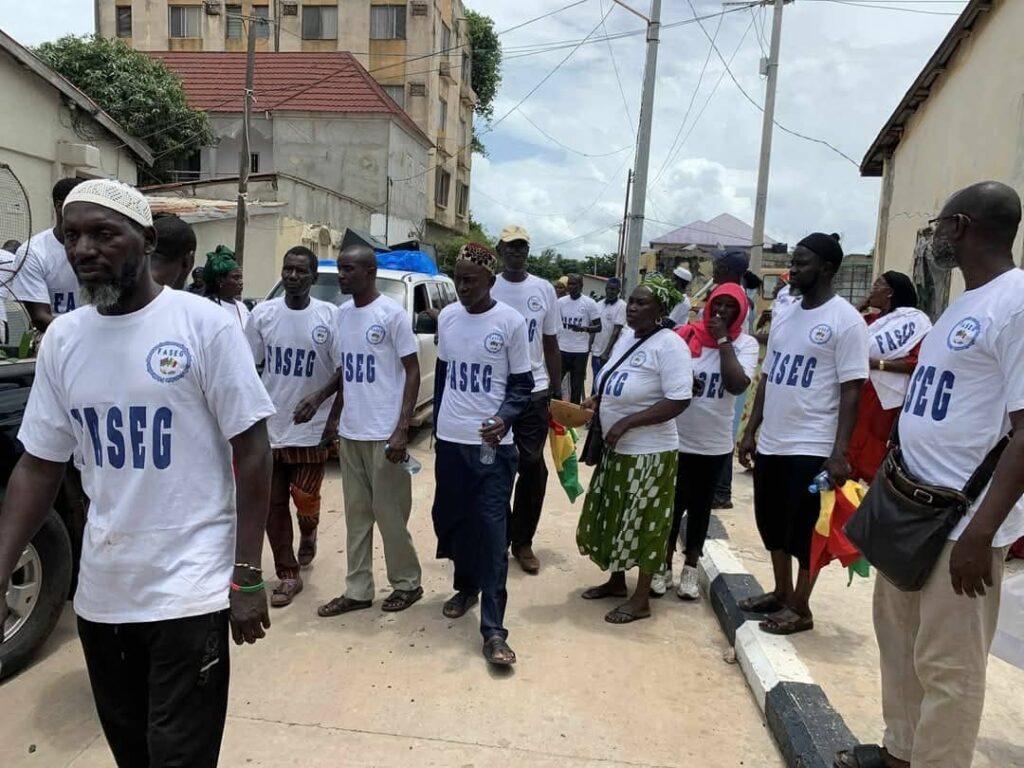
A Gambian-based Senegalese federation has carried out a large-scale tree planting exercise in Banjul aimed at tackling the effects of climate change.
The initiative, which took place along the city’s coastline, is designed to protect Banjul from erosion caused by rising riverbank waters, a direct consequence of climate change.
The Gambia is considered one of the most vulnerable countries to climate change, with nearly 30% of its land lying below 10 metres above sea level.
A World Bank report highlights that annual rainfall in The Gambia has decreased over recent decades.
However, extreme rainfall events have become more frequent, resulting in severe urban flooding.
These unpredictable and intense weather patterns are damaging agriculture and infrastructure, making it harder for farmers to rely on traditional seasonal cycles.
Shorter rainy seasons, delayed planting, and flash floods are now common challenges.
Speaking after the event, Ndene Diallo, President of the Senegalese Federation, called for increased tree planting across the region.
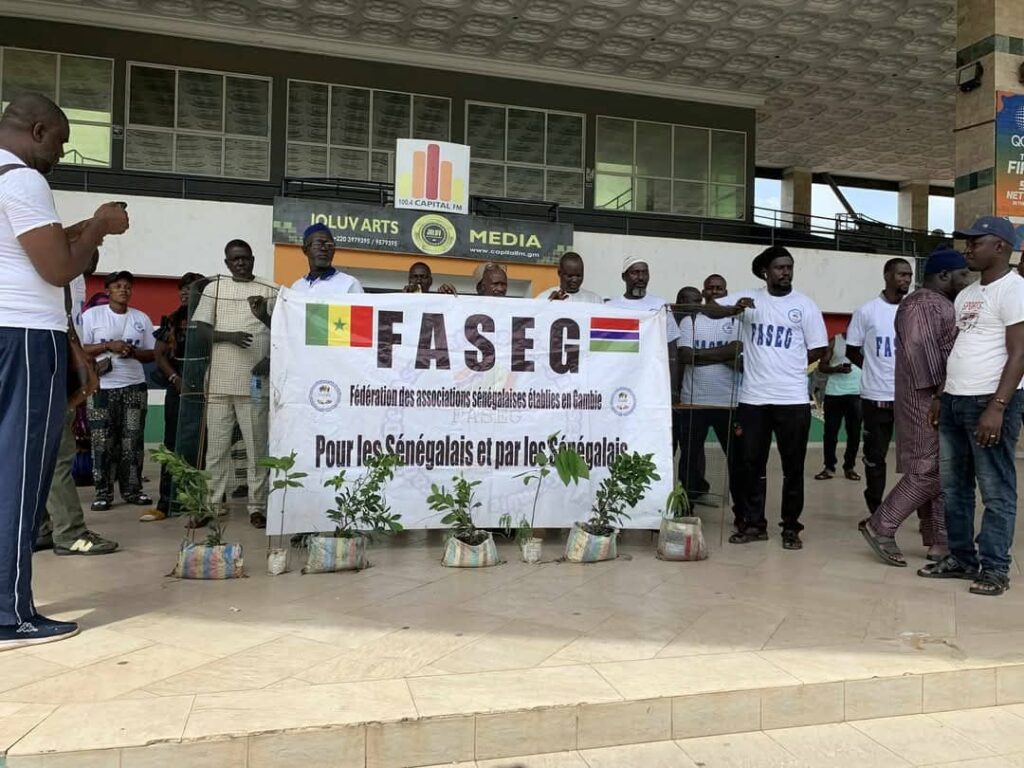
“When we created this federation, our first objective was to plant trees, because trees are very symbolic for our existence and well-being,” he said.
“Trees provide us with oxygen, without which life would not be possible. They also offer food and shade, which are vital to our communities.”
Representing the mayor of Banjul, councillor Oumie Saine welcomed the initiative and thanked the federation for their efforts.
“This is a very positive step that will help address the climate change challenges we face today,” she said.
By Adama Makasuba




Recent Comments