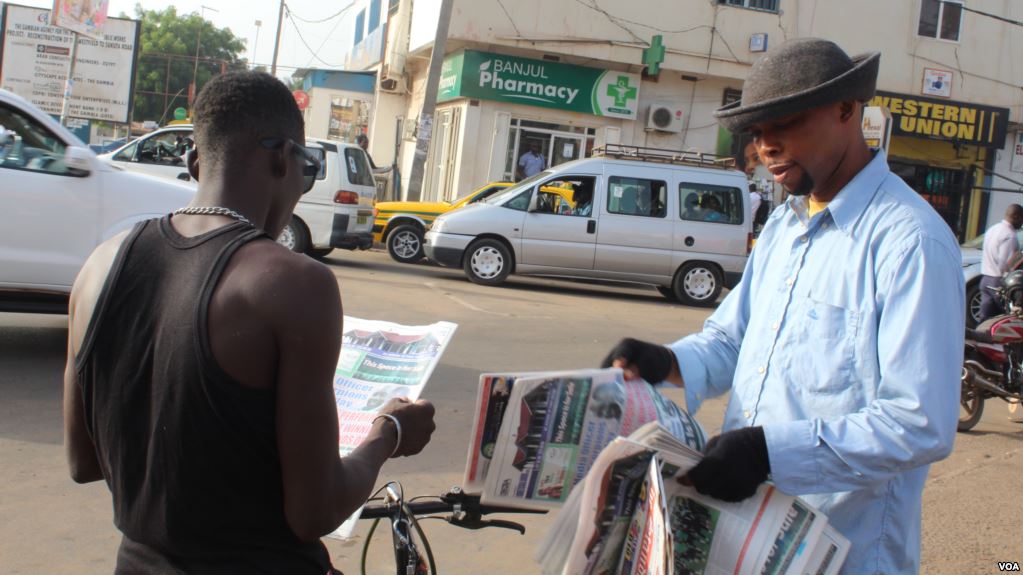
The 2026 Reporters Without Borders (RSF) Index ranks The Gambia 46th out of 180 countries. This marks a remarkable rise from dictatorship, but also highlights competing realities: a media environment torn between aspirations for democracy and lingering authoritarian influences. The numbers show recovery; the context reveals a nation still struggling to define press freedom.
The Gambia’s 2026 RSF score of 69.42, up from 65.48 in 2025, is not merely a statistical improvement. It is a narrative of a country still emerging from the long night of Yahya Jammeh’s 22‑year rule, where journalism was criminalized, dissent was punished, and the press survived through courage rather than law.
The new ranking confirms what Gambians already know: the democratic transition has opened space, but the architecture of freedom remains incomplete.
The most striking feature of the 2026 index is the dramatic improvement in the social and security indicators. A social score of 80.06 and a security score of 91.73 place The Gambia among the continent’s safest environments for journalists.
This is a profound reversal of the Jammeh era, when disappearances, torture, and assassinations were instruments of statecraft. The absence of killings, detentions, or disappearances in 2026 is not a small achievement; it is the clearest evidence that the culture of fear has receded.
Yet, the political and legal indicators reveal the fragility beneath the progress. The political score 59.22, essentially unchanged from 2025, reflects a media environment that is free in practice but vulnerable in principle.
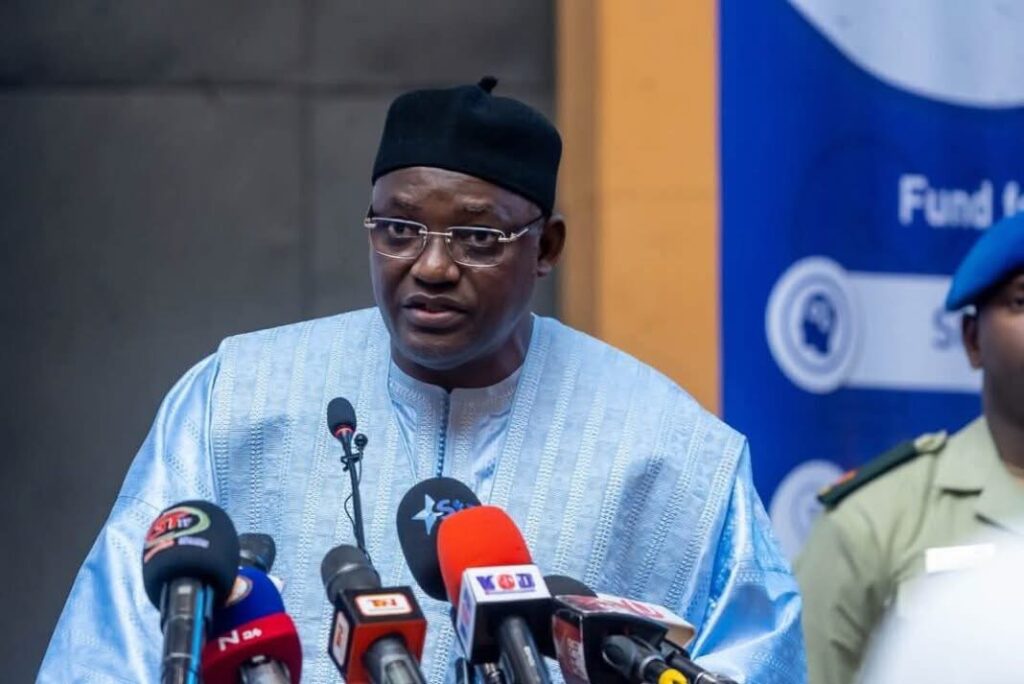
The arrest and High Court summons of The Voice editor Musa Sheriff in 2024 is emblematic: the state no longer behaves like a predator, but it has not yet become a protector. The absence of political will to enact journalist‑safeguard laws keeps the sector exposed to the whims of power.
The legal indicator, at 62.97, tells a similar story of contradiction. The Supreme Court’s 2018 ruling striking down criminal defamation and certain digital‑speech offenses was a watershed moment.
Yet the colonial‑era and Jammeh‑era statutes on sedition, false publication, and broad national‑security provisions remain on the books. Their mere existence exerts a chilling effect, encouraging self‑censorship even in a climate where arrests are rare.
The Access to Information Act, passed in 2021, remains unimplemented; the new constitution remains unborn. The law promises freedom, but the legal order still whispers caution.
Economically, the media sector remains the Achilles’ heel of Gambian press freedom. The 2026 score of 53.13, up from 46.47 in 2025, shows modest recovery yet reveals ongoing, deep structural weakness. High taxes and printing costs undermine financial stability, while dependence on telecom advertisers threatens editorial independence.
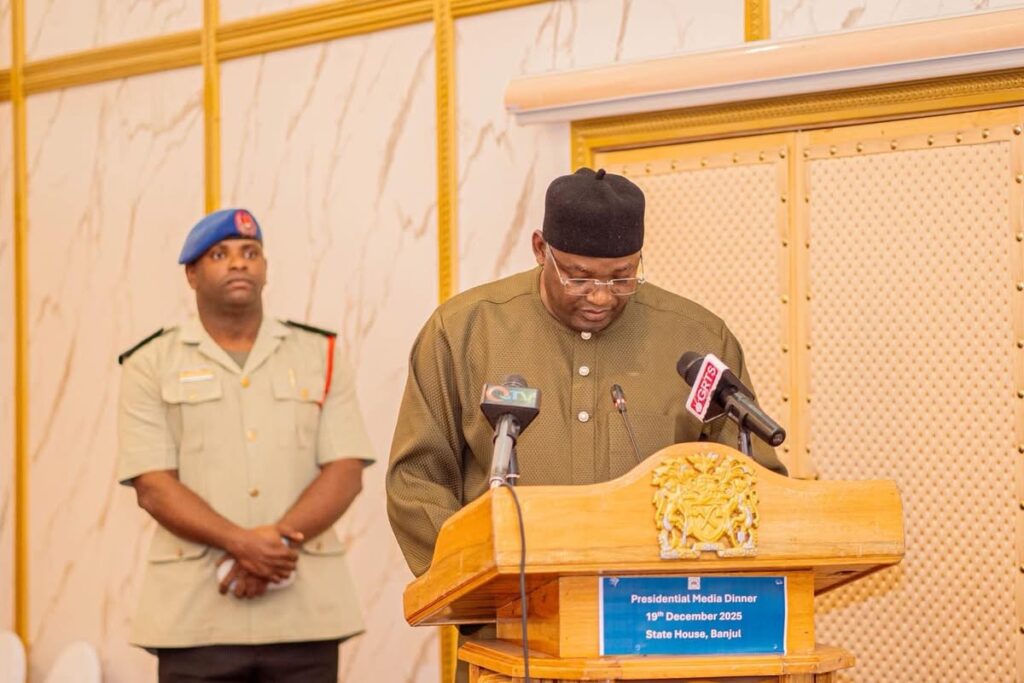
The 2020 COVID-19 relief fund, marking the first state subsidy since independence, was historic, but its mismanagement and the FPAC findings exposed governance gaps. Thus, economic fragility is not only a quiet censor but also a constant counterweight to progress.
Still, the media landscape is more pluralistic than ever in Gambian history. State broadcaster dominance has ended, private radio and TV have proliferated, and digital platforms have expanded voices and the public sphere. Ranking 46/180 places, The Gambia is ahead of many African peers, showing not just an open media space but sustained openness for nearly a decade.
The safety indicator—91.73, among Africa’s highest, is bolstered by accountability from the TRRC and international prosecutions. Convictions in Germany and Switzerland for crimes against Gambian journalists, and a 2025 arrest in Senegal of a Jammeh-era officer tied to Deyda Hydara’s murder, show impunity is less certain.
Yet Yahya Jammeh’s extradition remains an unresolved wound for Gambian press freedom.
Taken together, the 2026 RSF Index paints a portrait of a country in transition: no longer captive to authoritarianism, not yet anchored in a mature democratic order.
The Gambia’s progress is real, measurable, and internationally recognized. But the foundations of press freedom, legal reform, economic sustainability, and institutional protection remain unfinished. The ranking is both a celebration and a warning: the gains of the past decade can be consolidated or lost.
With gratitude to the journalists, editors, civil society actors, and institutional reformers whose sacrifices and vigilance continue to shape The Gambia’s democratic journey.
Their unwavering dedication secures the nation’s progress and upholds the ongoing struggle for press freedom, ensuring the hard-won gains will endure and inspire future generations.
May the word burn even brighter in the public square; may truth rise with unwavering courage; may the pen forever champion justice without fear. As the Mandinka say, in loose translation, “the word travels farther when carried together”.
Let us move forward, together, to safeguard The Gambia’s press freedom with unyielding resolve.
By Alagi Yorro Jallow








Recent Comments