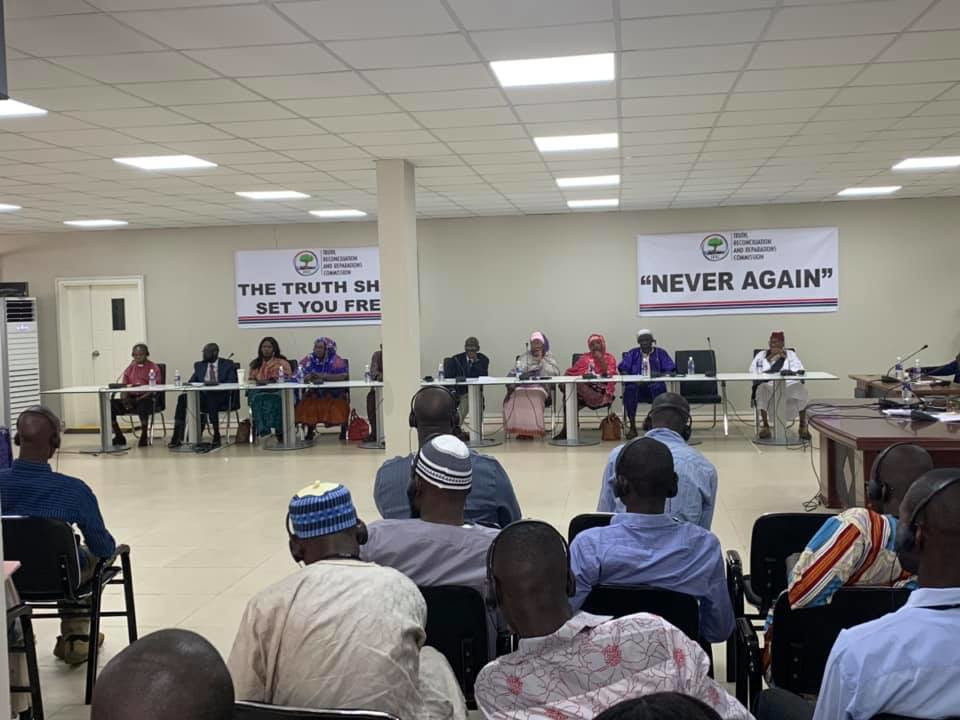
Transitional justice in The Gambia emerged from deep national pain and a wave of international optimism. It aimed to reckon with the harsh realities of Yahya Jammeh’s 22-year rule, a time defined by torture, disappearances, extrajudicial killings, economic exploitation, and the steady dismantling of institutions.
Gambians were promised truth, justice, reparations, and meaningful reforms, with the hope that the country would finally face its past with openness and bravery.
Seven years in, a hard truth has become clear: transitional justice has benefited the system far more than the victims.
Lawyers, consultants, administrators, and justice‑sector elites have taken the bulk of the resources, while the victims, the very people whose suffering was the reason for the process, have been left with scraps. This isn’t just a cynical take; it’s backed by the government’s own data, parliamentary reports, and public records.
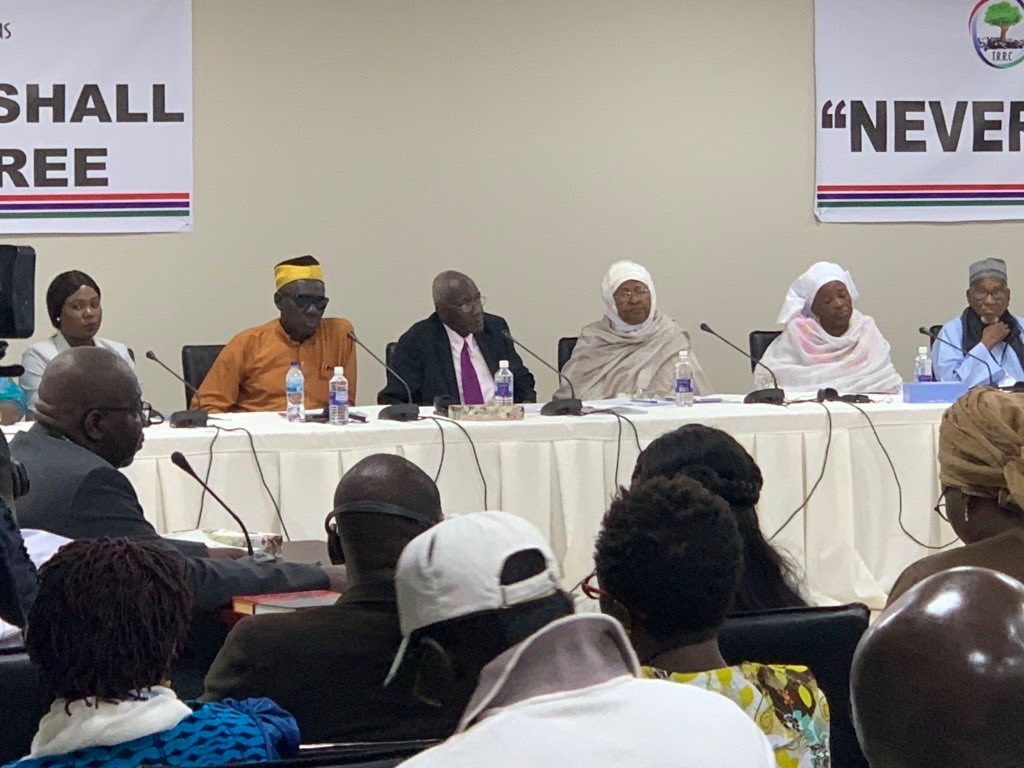
The first hint of imbalance showed up in the case against the National Intelligence Agency officers accused of torturing and killing opposition activist Solo Sandeng.
In 2019, Attorney General Abubacarr Tambadou revealed that the government had paid GMD 51 million to a private law firm headed by Antouman Gaye to handle the prosecution. Fifty‑one million dalasi for just one case. It’s an eye‑popping sum in a country where many victims still can’t afford treatment for injuries caused by the state. It tops the total reparations given to hundreds of victims in the early days of the Truth, Reconciliation and Reparations Commission (TRRC) and even exceeds the annual budget of some ministries. Yet, this single case soaked up that amount while victims waited for the most basic help.
The Janneh Commission, set up to investigate Jammeh’s financial dealings, is another sobering case. Tambadou announced that it spent GMD 50,951,261 on its operations, wages, and other costs, while recovering GMD 67,894,170 from tractors, assets, bank accounts, and properties.
The numbers paint a grim picture: the Commission’s expenses nearly matched its recoveries. And instead of compensating the victims of Jammeh’s economic crimes, the recovered funds went to pay the lawyers, commissioners, investigators, and administrative staff who ran the Commission. Not a single dalasi reached the victims.
The TRRC was the most prominent and emotionally charged part of the transitional justice process, funded by the Gambian government and international donors, including the UN Peacebuilding Fund, the European Union, the United States, Germany, Switzerland, and ECOWAS. Its total cost, covering salaries, consultants, logistics, media, security, and administration, ran into hundreds of millions of dalasi.
The commission employed a wide range of staff, from commissioners and lead counsel to investigators, psychosocial workers, media teams, and administrators—it was a massive undertaking.
Yet, less than 10 percent of transitional justice spending went to victims. Some received D50,000, others D100,000, and many got nothing. Even the TRRC’s Reparations Committee admitted the funds were woefully insufficient, leaving victims of torture, rape, disappearances, arbitrary detention, witch hunts, economic ruin, and exile with symbolic payments that could never restore their lives, health, or dignity.
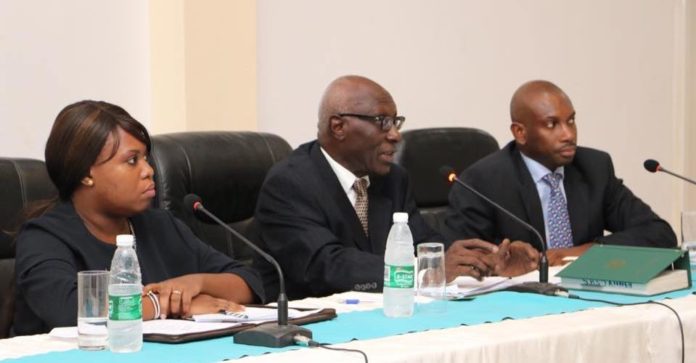
The most troubling question concerns the proceeds recovered from Jammeh’s assets. The National Assembly’s Special Select Committee reported that more than GMD 1 billion had already been recovered, along with over USD 2 million, as well as additional sums in pounds sterling and euros.[6]
The Committee further indicated that hundreds of millions of dollars, tens of millions of pounds, and euros remain outstanding. Yet the government repeatedly claims that it lacks funds to support prosecutions, reparations, or institutional reforms.
How can a country recover over a billion dalasi and still claim poverty? Where is the money? Who is managing it? Why is there no transparent public accounting? Victims deserve answers. The nation deserves answers.
Instead of promoting transparency, the country is seeing the rise of a bigger justice bureaucracy.
The Special Prosecutor’s Office Act, 2024, establishes a Special Prosecutor, a Deputy, division heads, and a Chairperson of Special Prosecutions. It also creates several units Management and Coordination, Victims and Witness Support, Legal and Policy, Outreach and Communications, plus any others the Special Prosecutor wants.
This office will bring in dozens of lawyers, administrators, consultants, and support staff. It will need funding for salaries, perks, vehicles, office space, logistics, international consultants, training, and travel.
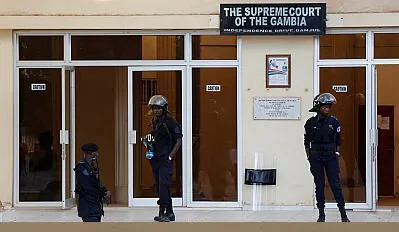
While justice needs resources, let’s be real: this looks more like a big payday for the legal community than real help for victims.
The moral failure couldn’t be clearer. Victims of Jammeh’s brutality still struggle to get medical care, trauma counseling, compensation, housing help, educational support, or a way to rebuild their lives. Those who suffered the most have gained the least.
Transitional justice has turned into an industry, a well‑funded network of lawyers, consultants, administrators, and international experts, while victims remain sidelined from the process supposedly created for them.
It’s not about how many lawyers are hired, offices are set up, reports are written, or workshops are held. It’s about whether victims feel restored, justice is served, perpetrators are held accountable, institutions are reformed, and the nation heals.
Transitional justice is not measured by the number of lawyers hired, the number of offices created, the number of reports written, or the number of foreign trips and per diem expenses.
It is measured by whether victims feel restored, whether justice is delivered, whether perpetrators are held accountable, whether institutions are reformed, and whether the nation heals.
By that measure, The Gambia has failed not because the process was unnecessary or because the commissions were wrong, but because the system consumed the resources meant for victims.
The country owes victims more than reports, ceremonies, and symbolic payments. It owes them dignity, transparency, and justice. It owes them a process that prioritizes their suffering over bureaucratic expansion. It owes them a national reckoning that does not turn their pain into a career opportunity for others.
For the first time, it is stated plainly: transitional justice in The Gambia has prioritized bureaucracy and careers over victims. This must be corrected. Victims must come first before lawyers, consultants, administrators, and new offices.
Justice must not become a business. It must remain a promise, a promise The Gambia has not yet kept. And until that promise is fulfilled, the nation remains in transition, not toward justice, but away from it.
By Alagi Yorro Jallow

FOOTNOTES & CITATIONS
[1] Ministry of Justice Press Briefing, Attorney General Abubacarr Tambadou, 2019: disclosure of a GMD 51 million payment for the Solo Sandeng prosecution.
[2] Ministry of Justice expenditure disclosure on the Janneh Commission, 2019.
[3] Government White Paper on the Janneh Commission Report, 2019 asset recovery figures.
[4] TRRC Financial Reports submitted to donors and the Ministry of Finance, 2018–2021.
[5] TRRC Reparations Committee briefing to the National Assembly, 2021 reparations allocation.
[6] National Assembly Special Select Committee Report on Jammeh Assets, 2022 recovery totals.







Recent Comments