The Gambia spent D3.10 billion on interest payments for its public debt in the first half of 2026, highlighting the growing pressure debt servicing is placing on government finances.
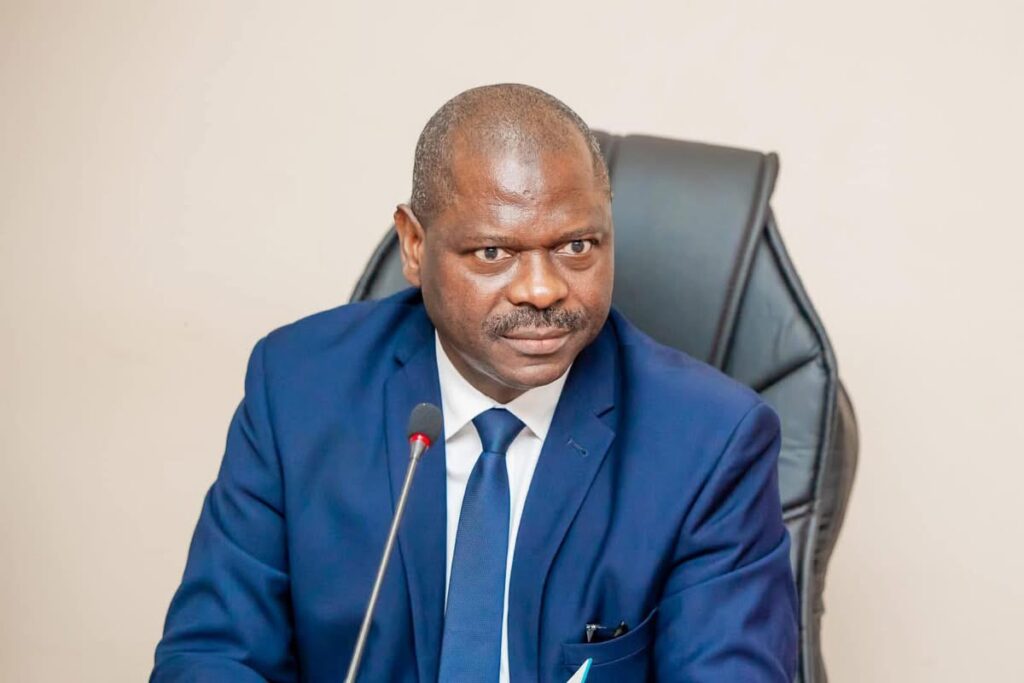
Finance Minister Seedy Keita disclosed the figures while presenting the Mid-Year 2026 Revenue Report to the National Assembly, saying interest payments had risen by 18 per cent compared with the corresponding period last year.
The amount represents 45 per cent of the government’s annual budget for debt interest.
Domestic debt accounted for the bulk of the payments, with the government spending D2.50 billion, up 17 per cent year-on-year. Interest on external debt reached D600 million, marking a 21 per cent increase.
Mr Keita said the rising cost of servicing debt, particularly domestic borrowing, was adding pressure to public finances and restricting the resources available for other spending priorities.
Government Local Funds expenditure and net lending stood at D15.42 billion by the end of June, equivalent to 42 per cent of the approved annual budget of D36.49 billion. The figure was six per cent higher than expenditure in the first half of 2025.
Personnel costs accounted for D5.06 billion, while subsidies and transfers totalled D3.62 billion. Together with debt interest payments, the three areas amounted to D11.76 billion.
Despite the spending pressures, domestic revenue collections excluding project grants increased to D15.35 billion, compared with D14.24 billion in the same period last year.
Tax revenue rose to D13.36 billion, while non-tax revenue reached D2.00 billion.
The Finance Minister linked the improved tax performance to gains in both direct and indirect taxes. Corporate Income Tax increased by five per cent, Personal Income Tax by nine per cent, while Rental Income Tax surged by 109 per cent.
Higher collections were also recorded from Domestic VAT, Customs Processing Fees and Import VAT on non-oil goods.
However, expenditure remained marginally above revenue, leaving a gross deficit of D68.86 million. That was substantially below the D265.41 million deficit recorded during the first six months of 2025.
Mr Keita said the government was pursuing fiscal consolidation measures to maintain spending discipline, strengthen domestic revenue mobilisation and secure better value for public money.
The measures are also intended to reduce reliance on additional borrowing during the remainder of 2026.
The mid-year report therefore points to a mixed fiscal picture: revenue collections have improved and the gross deficit has narrowed, while debt interest and other major spending commitments continue to weigh heavily on government resources.
By Adama Makasuba







Recent Comments