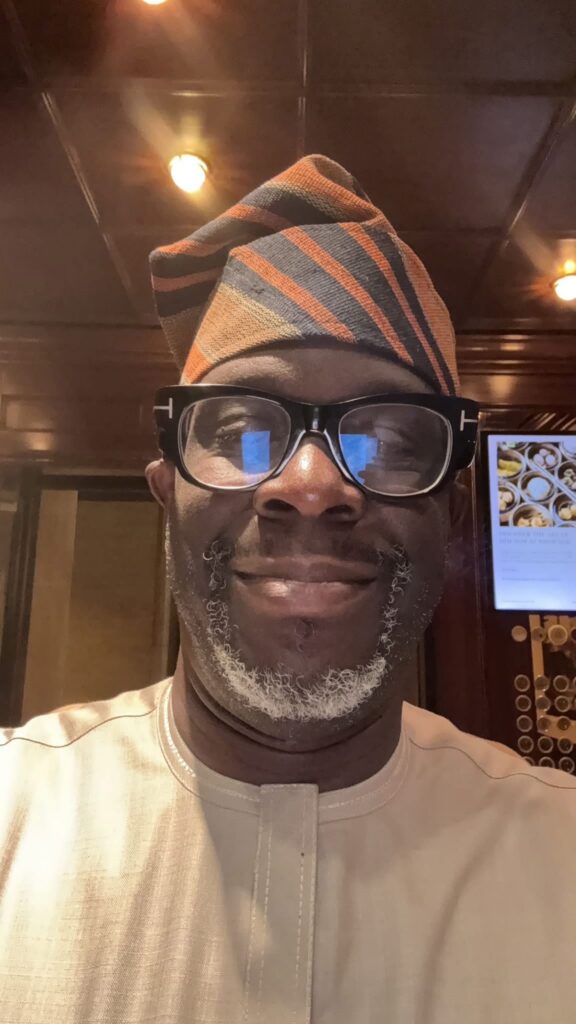
The more I ponder about the state of affairs of our country, the more uneasy I become about the growing gap between the majority of Gambians who struggle to make ends meet and the privileged few of us who continue to thrive, prosper or at least survive comfortably despite the poor performance of our economy.
I count myself among this latter group. Call us the “elite”, for want of a better description. We come from Banjul, Brikama, Farafenni, Sabi or even Badibbu (no pun intended). Our common denominator is access to economic, social or political power and influence.
Interestingly, many within this group seldom participate directly in politics, yet they are often the invisible hands capable of shaping it, for better or worse. The question is, do we exercise that influence for the greater good or merely to preserve our privileges?
Why do so many shy away from politics? Is it because politics is perceived as a dirty sport, or because those already in the political space have effectively ring-fenced it, making entry difficult for others?
Yet politics shapes our country’s destiny and, consequently, our individual trajectories.
This brings me to a fundamental question: Is politics in The Gambia a means of improving the lives of ordinary Gambians, particularly the poor and deprived, or has it become a means of improving the fortunes of political actors themselves?
Look at our national budget. How much does it cost to run government? What tangible improvements in the lives of ordinary Gambians are we getting in return for our taxes and the loans contracted in our name?
Why the disproportionate increases in remuneration and benefits at the upper echelons of public service while the lowest-paid public servants can barely survive on their incomes?
These are questions I want politicians to answer, both the incumbents and those waiting in the wings.
What will you do differently? How will you improve the lives of ordinary Gambians? What are your priorities, how will you finance them, and how should we measure your performance?
We need to shift our political discourse away from the endless contestation between political personalities towards a serious debate about policies, priorities, competence and measurable results.
And perhaps those of us who enjoy relative privilege and influence must equally ask ourselves whether we are doing enough beyond expressing concern from the comfort of our positions.
Politics is too important to be left to politicians alone.
By Salieu Taal




Recent Comments