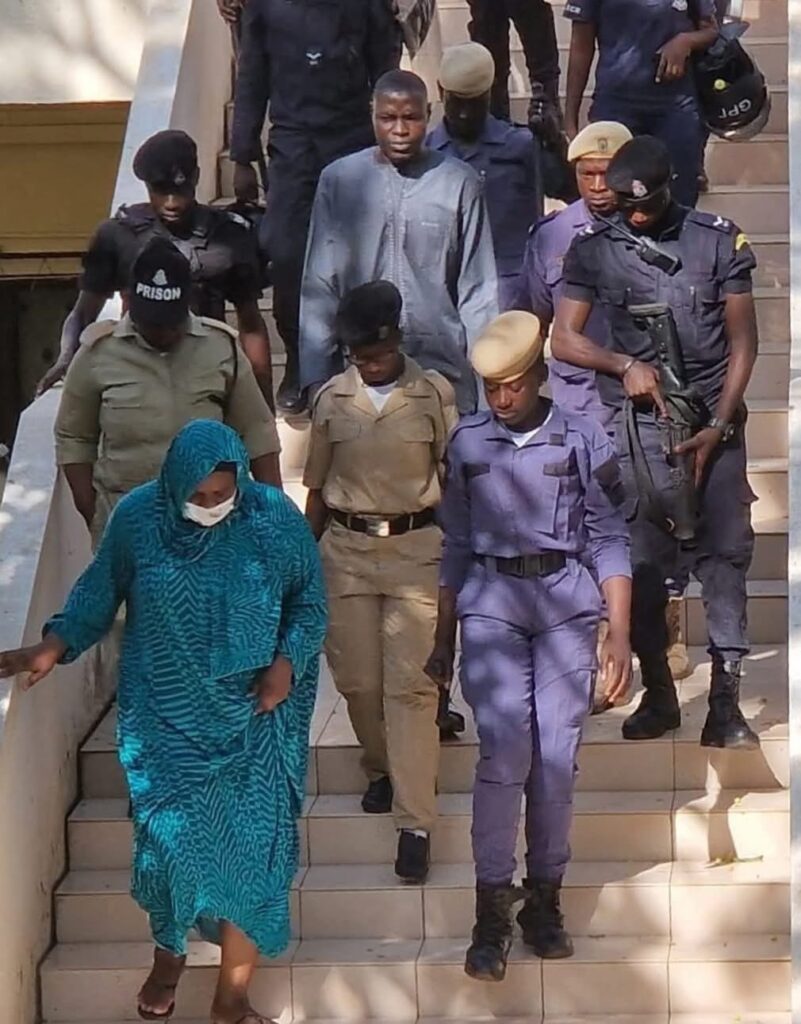
When justice fails the police, the question of responsibility becomes paramount. As national mourning continues and scrutiny intensifies on the judiciary, a critical issue arises: Should a resignation follow the Bojang acquittal? This debate has now commenced in The Gambia.
A nation losing police officers to violence suffers both the loss itself and the inability to secure justice. The acquittal of Ousainou Bojang and his sister, Amie Bojang, has reignited a national debate: when the state cannot successfully prosecute killers, should someone resign?
This question goes to the heart of accountability, leadership, and the moral contract between the state and its citizens, especially those who stand between society and chaos.
Two police officers were killed. A third was wounded. Their families, colleagues, and the police institution deserve justice. But justice is not vengeance or emotion, nor is it a rushed prosecution to appease public anger. It must be a process based on evidence, procedure, and constitutional safeguards.
The High Court found that the prosecution failed to meet the standard of proof. That is not a political statement. It is a legal fact. Yet the collapse of this case raises a deeper question: who is responsible for the failure?
Across Africa and internationally, there are numerous examples of senior officials resigning or being removed following significant failures in law enforcement or prosecution.
In South Africa, police commissioners have resigned after flawed investigations or public tragedies. In Kenya, ministers have stepped down after security lapses resulting in loss of life.
In Ghana, senior officials have left office due to investigative failures or miscarriages of justice.
In the United Kingdom, Home Secretaries have resigned over failures to protect the public or manage policing crises.
In Japan, ministers routinely resign when their departments fail, even if they are not personally at fault, because accountability is embedded as a cultural norm rather than viewed as punishment.
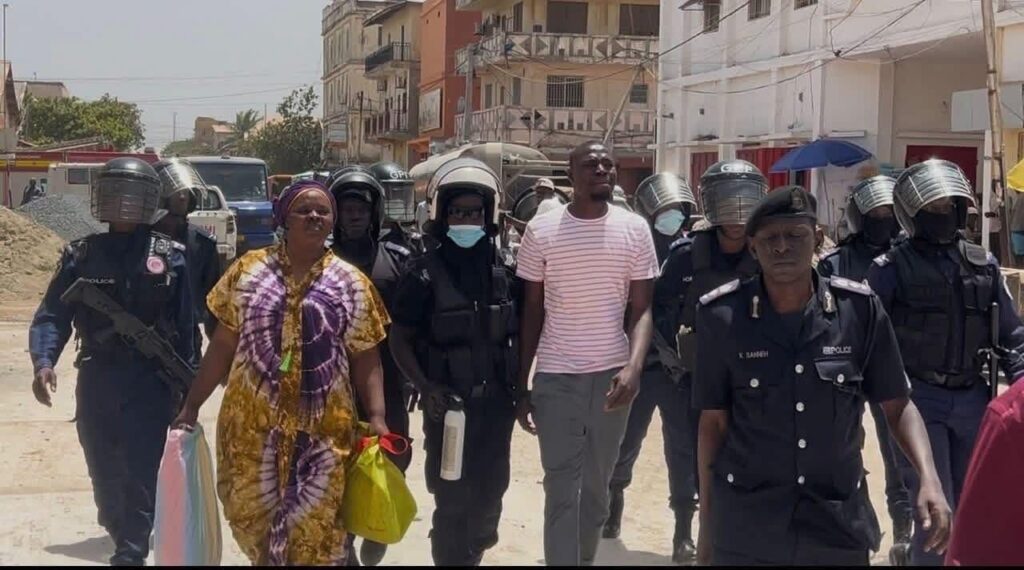
The principle is straightforward: when the state fails in its fundamental duty to protect life and deliver justice, accountability is required. This is not about scapegoating or symbolic sacrifice, but about acknowledging that leadership entails responsibility.
The Bojang acquittal has revealed a series of institutional failures. Investigations lacked thoroughness, the evidence did not withstand scrutiny, and the prosecution strategy relied on assumptions rather than substantiated proof.
The state apparatus conflated accusation with evidence. These failures originated at the crime scene, persisted throughout the investigation, and were ultimately solidified during prosecution.
Therefore, the question is valid: should a resignation follow? In established democracies, the answer is often clear. In The Gambia, however, the response is complicated by political culture, institutional weaknesses, and a public that frequently demands accountability selectively.
Nonetheless, the underlying principle persists: when justice fails, leadership must be held accountable.
Justice for the accused is essential. Both the police and the accused are entitled to justice. The rule of law safeguards individuals, and the Constitution does not yield to public pressure or suspicion.
Senior Counsel Lamin J. Darbo emphasized this principle to the nation. His defense was characterized by discipline rather than performance. He compelled the state to meet its burden of proof and revealed the weaknesses in the case.
He upheld the rights of the accused, which serve to protect all individuals, particularly the vulnerable. Justice is not unilateral; it requires balance. The public must mature in its understanding of this concept.
Today, many Gambians are jubilating. Tomorrow, when another ruling goes against their preferred narrative, the same voices will insult judges, attack the judiciary, and accuse the courts of corruption.

This selective respect for the courts is dangerous. It undermines the Republic. It weakens the rule of law. It turns justice into a popularity contest. A nation that respects court rulings only when it agrees with them does not understand justice.
The police officers who lost their lives deserved a thorough investigation, their families a robust prosecution, and the public transparency. The accused were entitled to fairness and the judiciary to respect. Instead, the state presented a case that could not withstand scrutiny, making accountability necessary.
The Bojang acquittal marks not an end, but the beginning of a national reckoning. The police and their families deserve closure, the accused are entitled to fairness, and the nation’s institutions must demonstrate resilience under pressure.
To truly honour the fallen officers, we must demand more than emotional responses. We must insist on competence, accountability, and leadership that accepts responsibility when justice fails. In countries with robust institutions, resignation is not viewed as a scandal but as a demonstration of integrity. The Gambia must determine whether it aspires to this standard. Justice failed the police, the families, and the Republic. When justice fails, leadership must not remain silent.
By Alagi Yorro Jallow








Recent Comments