
Let Yahya Jammeh return only through the gates of justice or through the door of apology. However, let no one return through the back door of silence. The Gambia deserves dignity, the victims deserve the truth, and the future demands clarity.
The Gambia’s democratic experiment is currently facing a severe challenge not from external invasion, but from the internal threat of impunity. The planned return of former President Yahya Jammeh, fueled by WhatsApp propaganda and political maneuvering, is not just a domestic issue; it is a regional and international test of transitional justice, the rule of law, and the credibility of global commitments to human rights.
The urgency for action cannot be overstated. The prospect of Yahya Jammeh’s return to The Gambia is not merely a political maneuver; it poses a moral challenge for a nation still healing from the wounds of dictatorship.
It tests our collective memory, our commitment to justice, and our determination to build a republic where impunity does not prevail. This moral dilemma affects us all, and we cannot ignore its weight.
It has reignited national trauma and exposed the fragility of our democratic transition. This situation is not only a domestic affair but also a crucial test of transitional justice, the rule of law, and the integrity of global human rights commitments.
Today’s motion in the National Assembly, although divided, signals that the nation is at a crossroads, grappling with its past and uncertain about its future. The Gambian government’s cautious approach ahead of the upcoming elections must not overshadow its duty to pursue truth and justice.
If Yahya Jammeh were to return without challenge, it would send a troubling message to autocrats everywhere: that exile is temporary and accountability is negotiable. This would also threaten to destabilize the fragile peace and undermine the progress made during the democratic transition.
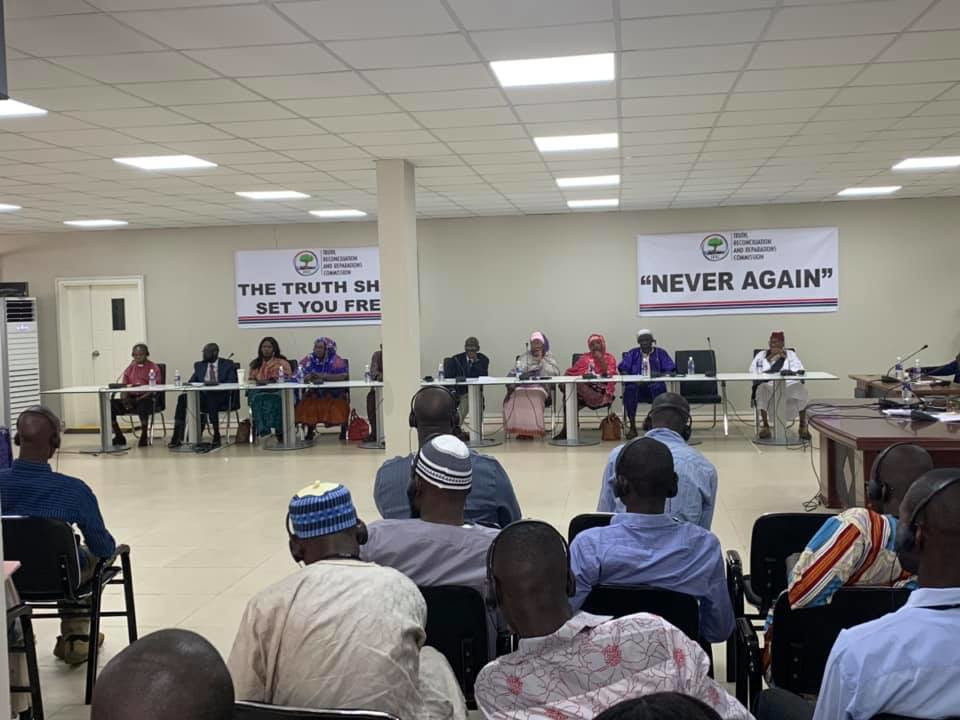
On one side stands the rule of law, the dignity of victims, and the promise of the Truth, Reconciliation, and Reparations Commission (TRRC).
On the other side is a dangerous nostalgia, weaponized by Yahya Jammeh’s WhatsApp propaganda, which emboldens his supporters in the National Assembly and his loyalists in the APRC, potentially destabilizing the fragile peace.
The potential consequences of Jammeh’s return without accountability are dire: they could include a resurgence of human rights abuses, a setback in the democratic transition, and a loss of faith in the justice system. We cannot allow this to happen. The urgency of the situation cannot be overstated, and we must act now to prevent these potential consequences from becoming a reality.
The APRC, under dictator Yahya Jammeh, was a regime that silenced dissent with bullets, made citizens disappear into unmarked graves, and looted the public treasury with impunity. The TRRC has revealed the truth: there were arson attacks on media houses, killings and persecution of journalists, the 2000 student massacre, the 2005 killing of West African migrants, the tortures at the NIA, and the economic pillaging of state funds. Jammeh’s legacy is one of bloodshed and betrayal.
Jammeh’s 22-year rule was not just a tragedy for The Gambia; it was a stain on the entire region. His regime’s crimes extended beyond borders, including the massacre of West African migrants, the destabilisation of ECOWAS norms, and the erosion of democratic standards in West Africa.
If Jammeh’s return goes unchallenged, it would send a message to autocrats everywhere that exile is temporary and accountability is negotiable. The African Union and ECOWAS must not remain neutral observers.
They played a crucial role in facilitating Jammeh’s departure in 2017. Their silence now would betray that diplomatic victory and suggest that regional justice is optional. We need your support, which is essential for the success of our cause.
ECOWAS must accelerate its support for a special tribunal rather than delay it due to political calculations. The United States, the European Union, and other partners have invested heavily in The Gambia’s transitional justice process.
They funded the Truth, Reconciliation, and Reparations Commission (TRRC), supported civil society initiatives, and championed democratic reforms. Their credibility is now at stake. If Jammeh returns without facing justice and victims without justice, the entire transitional justice framework risks collapse. The international community, including the US and EU, has a crucial role in ensuring justice for Jammeh’s victims.
We urge them to uphold their commitment to human rights and support our cause. Your backing is not just a moral obligation; it is a vital step toward preventing the return of a tyrant and ensuring a peaceful and just future for The Gambia.
Your support is crucial in this fight for justice. We need your support to ensure the success of our cause. Together, we can prevent Jammeh’s return and ensure justice for his victims. The time to act is now.
Yahya Jammeh and his victims deserve justice, and this issue extends beyond The Gambia. It sets a precedent for post-authoritarian societies across Africa and beyond. Will international justice serve as a foundation for healing, or merely a stage for political theatre?
The international community has a crucial role to play in this. It is not just a matter for The Gambia; it is a global imperative. We must all work together to ensure that Jammeh faces justice for his crimes. The support of the international community is not just desired, it is necessary for the success of our cause.
Justice is not a luxury for The Gambia; it is a global imperative. The recommendations of the Truth, Reconciliation, and Reparations Commission (TRRC) are clear: Yahya Jammeh must be prosecuted for crimes against humanity, economic crimes, and gross human rights violations.
These demands are not partisan; they are moral imperatives. We must not forget the victims of Jammeh’s regime, and we must ensure that justice is served for their sake and for the sake of our collective moral conscience.
The international community must move from mere support to enforcement. Diplomatic pressure, legal cooperation, and regional coordination must align to ensure Jammeh faces justice.
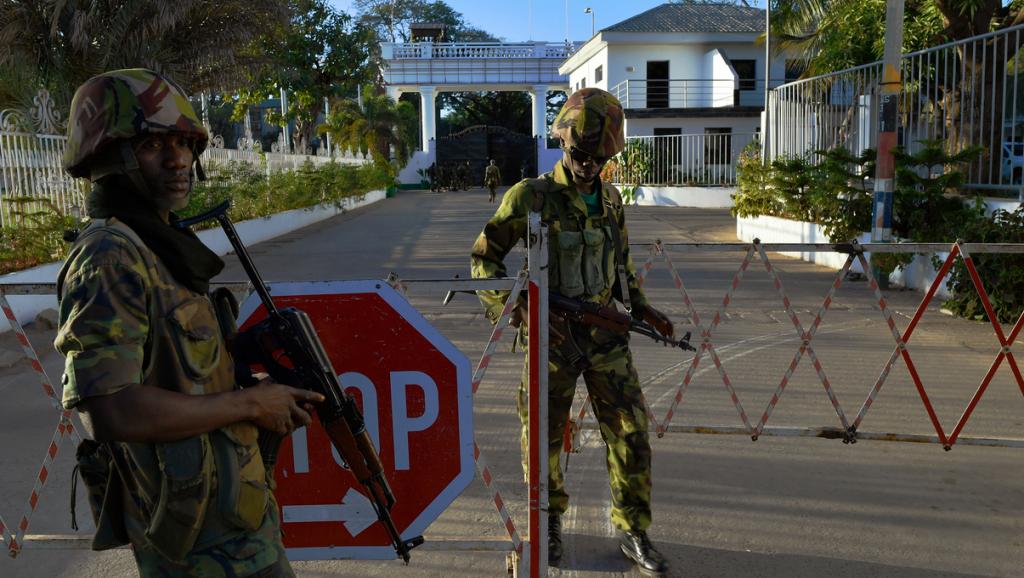
Let it be clear: Yahya Jammeh’s 22-year rule was not a benign autocracy; it was a reign of terror. Yahya Jammeh’s regime silenced dissent with bullets, disappeared citizens into unmarked graves, and looted the public treasury without consequence.
The TRRC has revealed the truth: from the 2000 student massacre to the 2005 killings of West African migrants, from the torture chambers of the National Intelligence Agency (NIA) to the economic pillaging of state resources, Jammeh’s legacy is one of blood and betrayal.
As a former head of state, Jammeh must not receive preferential treatment. Justice should not be sacrificed for political convenience. The TRRC has recommended his prosecution, and ECOWAS has expressed support for a special tribunal.
The African Union and international partners must shift from rhetoric to action. Justice cannot be sacrificed for political expediency, and ECOWAS has indicated its support for a special tribunal. The African Union and the international community must align their rhetoric with decisive action.
Jammeh must be extradited and tried—not for revenge, but as a necessary step toward national healing. Justice delayed is not only justice denied; it is justice mocked.
To the African Union: your silence will resonate louder than your resolutions. To ECOWAS: your credibility relies on your consistency.
The time for action is now, and the urgency of this matter cannot be overstated. To the United States and the European Union: your commitment to justice must not be jeopardized by political compromise. The positive impact of justice for Jammeh’s victims cannot be overstated.
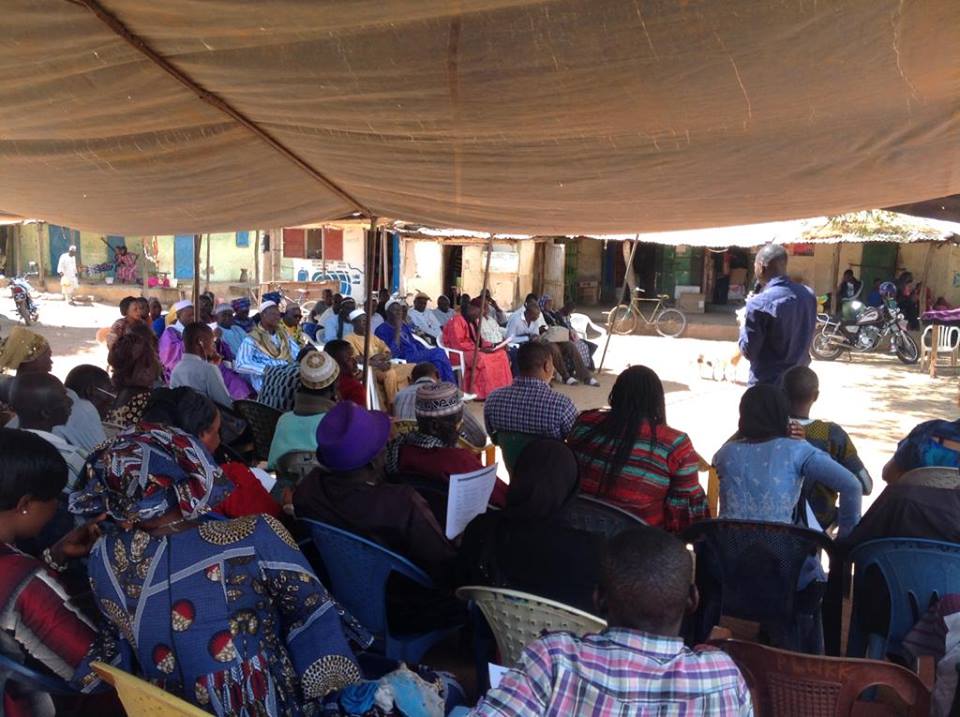
It will not only bring closure to the victims and their families but also serve as a deterrent to future human rights violators. This is the moral imperative we all must uphold.
To the Gambian government: your duty is not to uphold Jammeh’s legacy—it is to the victims, the constitution, and the future. Let this be the moment The Gambia chooses justice over nostalgia, truth over propaganda, and healing over division.
Let this be the moment the international community demonstrates that its commitment to human rights is not merely rhetorical but genuine.
By Alagi Yorro Jallow








Recent Comments