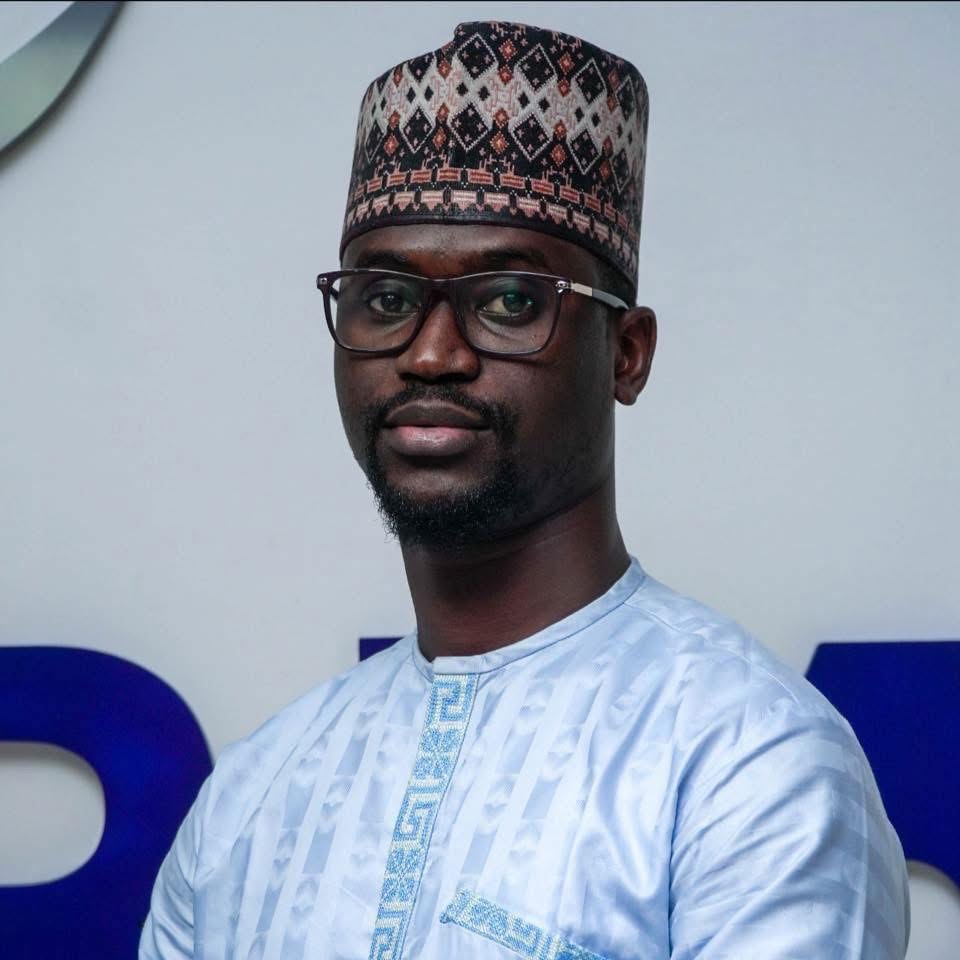
Marr Nyang, chief executive officer of Gambia Participates, has blamed recurring electricity outages on what he described as institutional negligence and the country’s dependence on external power sources, warning that the situation is threatening lives, businesses and the wider economy.
Commenting on the ongoing power disruptions during the Tobaski holiday period, Nyang said The Gambia’s failure to achieve “electricity sovereignty” had left the country vulnerable during periods of high demand and emergencies.
“When electricity sovereignty is surrendered, coupled with institutional negligence to prepare for peak periods and emergencies due to a dependence mindset, the result threatens lives, businesses, the economy and raises citizen stress levels,” Nyang said.
He argued that the outages have inflicted significant financial losses on businesses during one of the busiest commercial periods of the year, particularly tailors, salons, restaurants and ice cream vendors that depend heavily on reliable electricity.
Nyang also raised concerns about the impact on households storing mutton and other food supplies for Eid celebrations, questioning whether prolonged power cuts could result in spoilage.
The Gambia Participates CEO further expressed alarm over the implications for the country’s health sector, which relies heavily on electricity to provide critical medical services.
“How do we expect complex surgeries to be performed in absolute darkness? How do we expect babies in incubators to survive? How do we expect patients on life support to survive?” he asked.
Nyang also revisited promises made ahead of the 2024 summit of the Organization of Islamic Cooperation (OIC), when authorities announced major investments in electricity infrastructure, including upgrades to transformers and distribution networks.
He contrasted those assurances with a NAWEC statement issued on May 1, 2024, announcing load-shedding measures to prioritise electricity supply to OIC summit venues and hotels.
“In response to the ongoing OIC summit and the increased demand for electricity in the summit area and surrounding hotels, NAWEC regrets to inform you that load-shedding measures are being implemented,” the utility company said at the time.
According to Nyang, participation in the Organisation pour la Mise en Valeur du Fleuve Gambie (OMVG) regional power network does not guarantee a solution to The Gambia’s electricity challenges.
He argued that backup generators should have been inspected, maintained or replaced to ensure continuity of service during emergencies and power disruptions.
NAWEC has long faced criticism over electricity outages, water supply disruptions and rising utility costs. Nyang said the utility’s recurring technical problems cannot be resolved without addressing what he described as institutional corruption and negligence.
“High tariffs, unreliable water and electricity supply. NAWEC is not only a burden to citizens, but equally a financial burden to the state, which bails it out with taxpayers’ money to pay off its debts,” he said.
He added: “NAWEC’s persistent technical problems can and will never be solved without addressing the institutional corruption and negligence.”
Nyang called for deeper reforms within the country’s energy sector, arguing that without stronger planning, accountability and investment in backup systems, recurring power failures will continue to undermine economic activity and public confidence.







Recent Comments