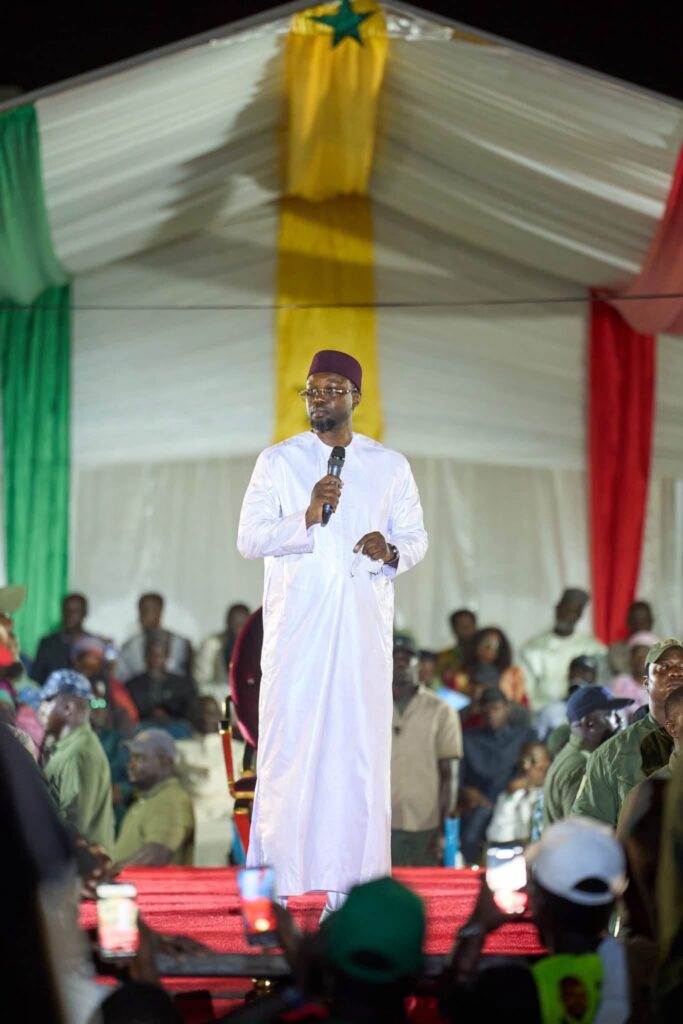
PASTEF leader Ousmane Sonko has come under intense scrutiny after comments he made about political financing in Touba during a major rally on Sunday sparked widespread debate on social media.
Some critics interpreted Sonko’s remarks as suggesting that the holy city benefits from “dirty money.” However, his supporters insist that this is a misrepresentation of what he said.
According to those defending the PASTEF leader, Sonko did not accuse Touba of knowingly accepting or living on illicit funds.
Instead, they say he was criticising politicians who channel money allegedly drawn from state “black budgets” or other improperly acquired public resources into Touba to finance religious events, provide fuel and food donations, or distribute cash during election periods.
One supporter, identifying himself as a Mouride disciple of the late Serigne Saliou Mbacké, argued that Sonko’s message was aimed at condemning the use of stolen public funds (khaliss salthie) for political patronage, not the people or religious authorities of Touba. He accused critics of deliberately distorting the speech to damage Sonko’s reputation and urged them to stop manipulating public opinion.
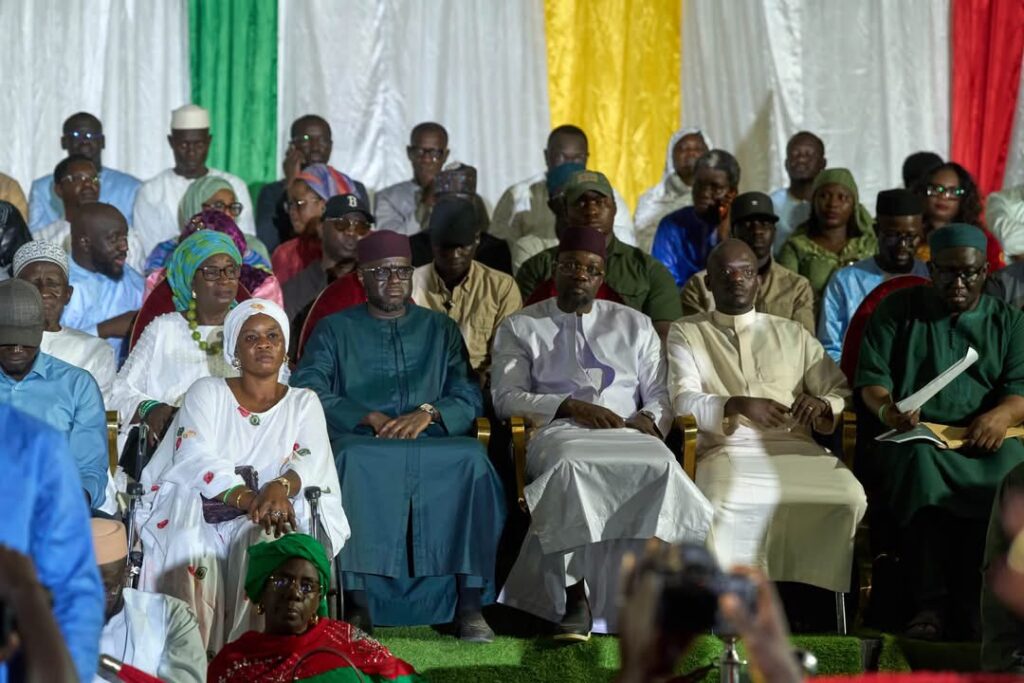
The controversy followed Sonko’s address at a large public rally in Touba, the final stop of his political tour of the Baol region. Earlier in the day, he paid courtesy visits to several religious leaders and offered condolences to bereaved families in the holy city and surrounding communities.
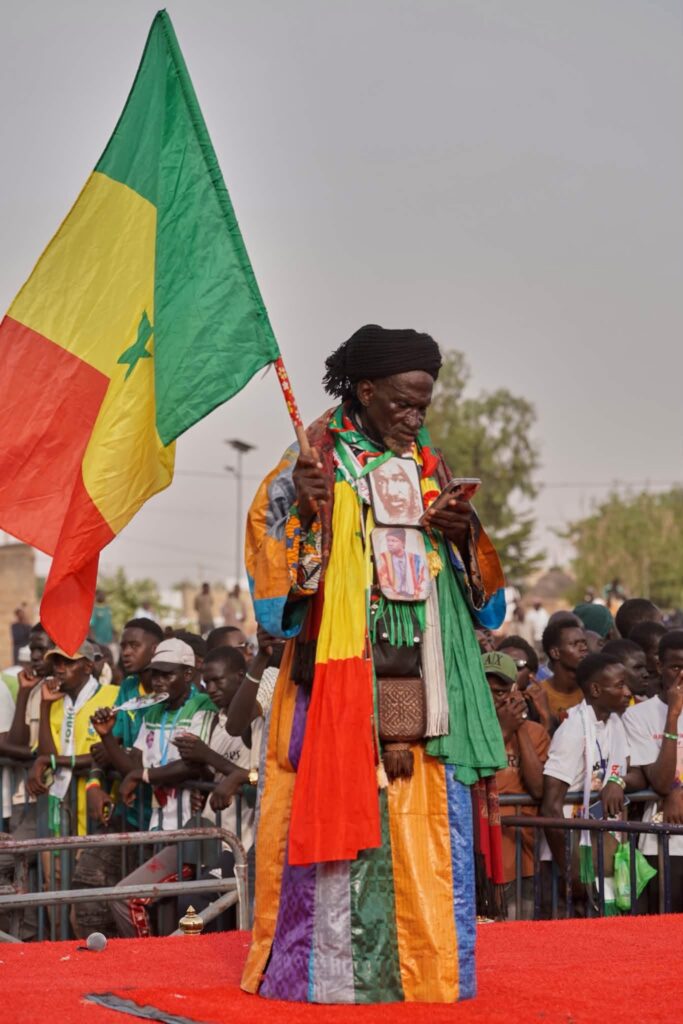
Before the rally, Sonko inaugurated PASTEF’s communal headquarters in Touba, describing it as a symbol of the party’s expanding presence in the spiritual capital of the Mouride brotherhood.
Speaking before thousands of supporters, Sonko rejected what he described as repeated attempts to discredit him politically and reaffirmed his deep attachment to Touba and Senegal’s other religious cities. He praised the Mouride community for its entrepreneurial spirit and the economic philosophy of Cheikh Ahmadou Bamba, which he said is built on hard work, self-reliance and national sovereignty.
Sonko also addressed the country’s political situation, revisiting his split with President Bassirou Diomaye Faye. He said the breakdown in their relationship stemmed from what he described as a failure to honour commitments made to the Senegalese people.
He further warned against what he sees as a gradual return to the practices of the former political establishment, urging supporters to remain vigilant in defending the ideals that inspired Senegal’s political transformation.




Recent Comments