Alhamdulilah.
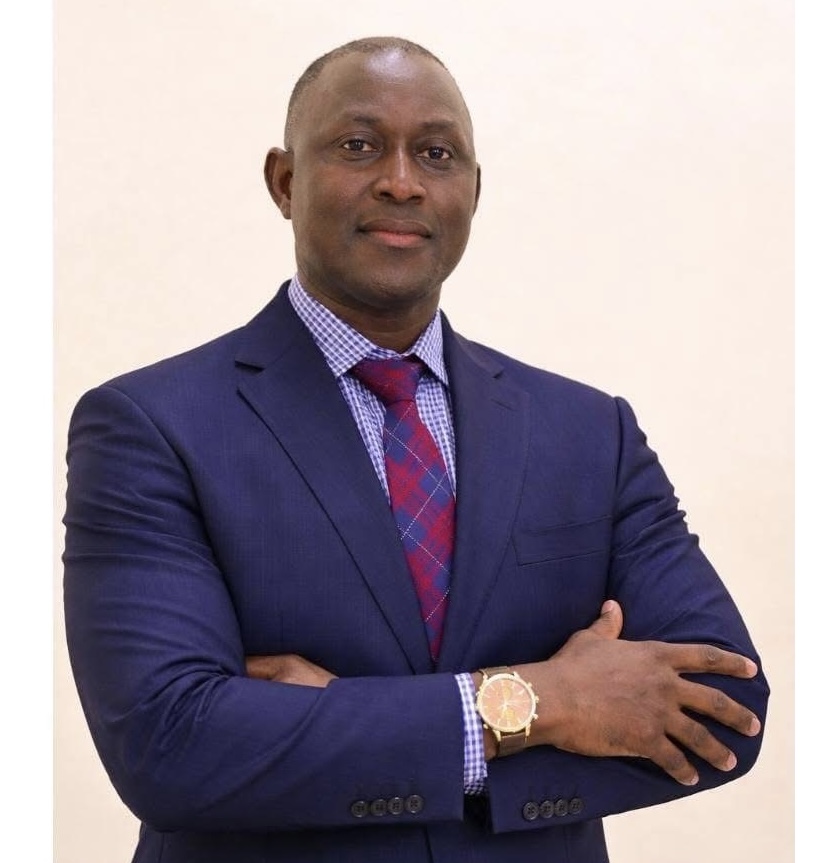
After years of hiding behind fabricated identities, Pappa Njie, Arfang Madi Sillah, Kebili Demba Nyima, and Kgnitins Famandts, the faceless editor of the Daily Observer online, have finally been exposed.
His real name is Alhagie Mbai, a man from Touba Muride whose digital masquerade fuelled years of insults, bullying, and smear campaigns against Gambian intellectuals, professionals, and accomplished citizens. With his true identity now revealed, the shadows have fallen, and accountability begins.
In every nation’s public sphere, a figure emerges, from time to time, who embodies the darker possibilities of anonymity. In The Gambia’s evolving digital landscape, where journalism struggles against the tides of misinformation and civic debate is increasingly polluted by manufactured outrage, one such figure has now stepped into the light.
His real name is Alhagie Mbai, but Gambians have known him through a constellation of fabricated identities: Kgnitins Famandts, Pappa Njie, Arfang Madi Sillah, Kebili Demba Nyima, and other aliases crafted with meticulous intent.
These names were not mere pseudonyms; they were masks worn to wage a sustained campaign of online bullying, insults, and character assassination against intellectuals, professionals, and accomplished Gambians across the Daily Observer’s online platforms.
For years, these personas operated like a digital militia, not defending truth, not interrogating power, but attacking excellence. Under these masks, Mbai targeted Gambians whose achievements threatened his insecurities: scholars with international credentials, civil servants with integrity, diaspora professionals with global experience, and public figures whose reputations were built on merit rather than manipulation.
His method was simple but corrosive: hide behind a fake name, steal a random photograph, fabricate authority, and unleash insults designed to demean, belittle, and intimidate.
The Daily Observer online became his theatre. What readers assumed were multiple voices, a chorus of commentators with differing backgrounds, were in fact the ventriloquized echoes of a single man. The tone was identical across the aliases: aggressive, resentful, anti‑intellectual, and obsessed with tearing down Gambians who excelled.
The targets were predictable: anyone whose education, professionalism, or civic contribution exposed the mediocrity of his own record. The pattern was unmistakable: a man hiding behind masks, waging war against the very citizens striving to elevate the nation.
Now, with his real identity exposed, the country can finally confront the truth. The man behind the masks is not a journalist. He is not a commentator. He is not a defender of public interest. He is the architect of a smear machinery that has polluted the digital ecosystem and undermined the dignity of public discourse. His aliases were not creative expressions; they were tools of deception. His posts were not critiques; they were acts of malice. His presence in the public square was not participation; it was sabotage.
The tragedy is not merely that one man chose to hide behind fake names. The deeper tragedy is that Gambian media platforms, once respected for shaping national consciousness, allowed such deception to flourish unchecked.
The Daily Observer online, once a pillar of Gambian journalism, became a sanctuary for anonymous abuse. It became a space where fabricated identities could insult citizens without accountability, where intellectuals could be mocked without evidence, and where professionals could be bullied without consequence. In doing so, it betrayed its own legacy and contributed to the erosion of public trust.
But exposing Alhagie Mbai marks a turning point. It signals the end of the shadows and the beginning of accountability. It allows Gambians to reclaim their digital public square from anonymous malice. It reminds us that the fight for ethical journalism is not merely about protecting truth; it is about protecting citizens from those who weaponize anonymity to inflict harm.
This exposé is not an indictment of his personhood; it documents his conduct. It is a necessary step to restore ethical standards in Gambian media and safeguard the dignity of public discourse. It reminds us that anonymity, when abused, becomes a tool of oppression.
It is also a call to action for media houses, civic institutions, and citizens to demand transparency, accountability, and integrity in the digital spaces where national conversations unfold.
The masks have fallen. The man stands revealed. And with that revelation comes an opportunity for national renewal: to rebuild a public sphere where criticism is grounded in truth, where debate is conducted with respect, and where no citizen, regardless of their achievements, is subjected to the cruelty of anonymous bullying.
By Alagi Yorro Jallow







Recent Comments