
When a sitting National Assembly Member alleges past electoral malpractice, the consequences go beyond partisan rivalry. Such claims impact the credibility of political actors and the institutional integrity of the Independent Electoral Commission. Silence risks eroding public trust in the democratic process.
In every democracy, political speech by senior officeholders carries weight. When Hon. Maimuna Ceesay Darboe, a nominated National Assembly Member, spoke at an NPP rally in Kiang West, Jiffarong, her statement that “we used to bring foreigners from Guinea‑Bissau and Casamance to register and vote” became an institutional allegation with broad impact.
Her words were not private. They were spoken openly, recorded on video, and circulated widely. Mandinka speakers across the country understood her clearly. In Mandinka, she said: “UDP, we used to go to the border areas, bring people from Guinea‑Bissau and Casamance, register them, and they would vote.”
Such a revelation, made from a position of authority, enters the public record with force. It shapes public perception. It raises questions. It demands clarification from those implicated. This is not about political rivalry but about public trust.
The allegation puts the UDP under scrutiny because it concerns a period when the Member claims party involvement. Silence isn’t neutrality; it becomes part of the narrative. It risks weakening the party’s moral authority in raising electoral fairness concerns today.
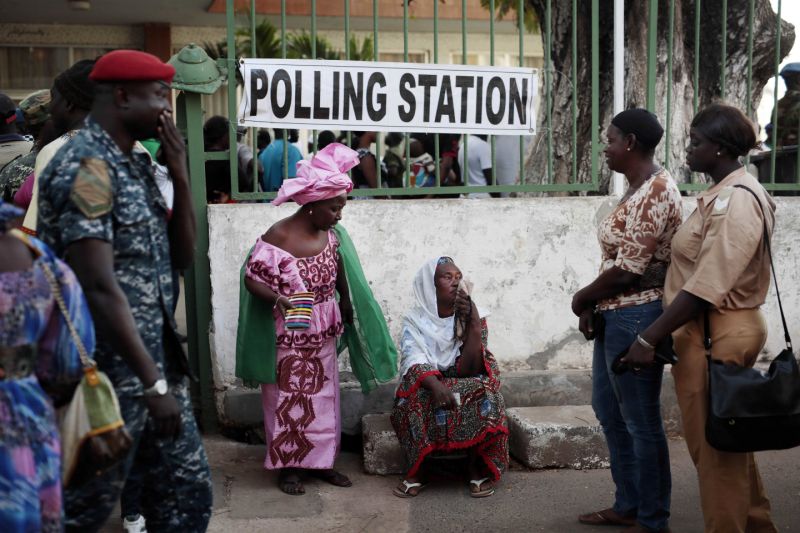
In democratic discourse, credibility is maintained through transparency and timely clarification.
But the implications go further than the political class. They reach the Independent Electoral Commission (IEC), guardian of the nation’s will.
When a senior politician alleges that foreigners were registered to vote, the public asks: How did this occur under the IEC’s watch? Were safeguards insufficient? What has changed? These are institutional questions at the core of the Commission’s credibility.
An electoral body must be beyond suspicion, not only in its conduct but in its responsiveness. When allegations of past malpractice surface, the IEC cannot afford to remain silent.
Silence creates institutional vulnerability. Silence allows doubt to grow. Silence risks eroding the very trust upon which democratic legitimacy depends. A credible electoral commission must reaffirm its standards, explain its safeguards, and reassure the public that the electoral process is protected.
Editorials do not attack individuals; they examine power, scrutinise claims, and demand accountability. Here, accountability means clarity from the implicated political actors and the electoral body that safeguards democracy. This revelation challenges the integrity of democratic institutions.
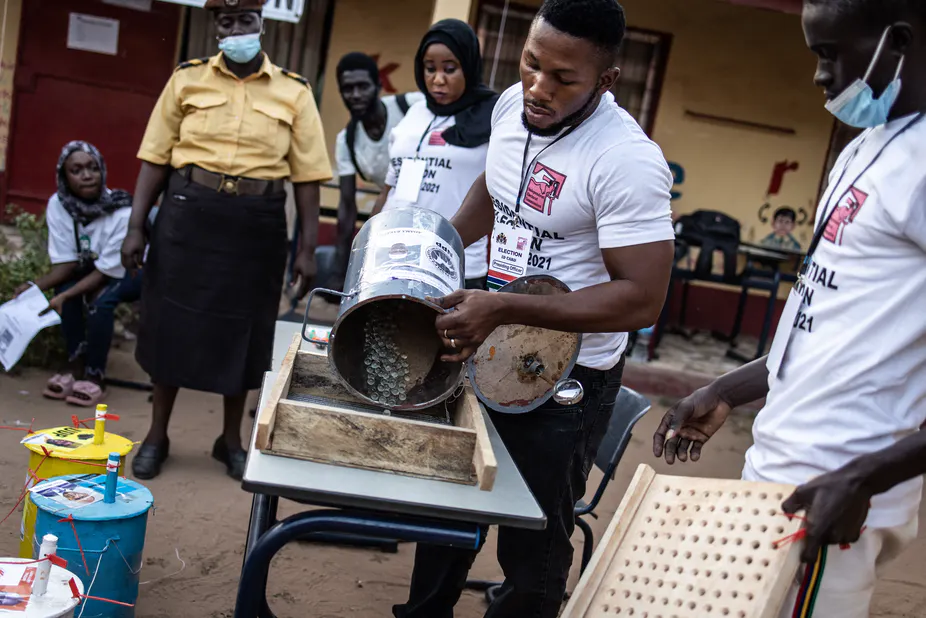
Democracy is weakened not by allegations, but by unanswered ones. Unanswered allegations erode trust, cast shadows on institutions, complicate future justice claims, and leave the public uncertain about the past and anxious about the future.
This is why Hon. Maimuna Ceesay Darboe’s revelation cannot be ignored. Not by the UDP. Not by the IEC. Not by any institution that claims to serve the public interest. Clarification is not a favor to the public. It is a duty.
May truth walk unafraid in the marketplace of our democracy. May those who speak in the name of the people honour the weight of their words. As the Mandinka elders say, to paraphrase: when the truth is delayed, trust is delayed with it.
May our institutions stand firm, our leaders speak clearly, and our nation’s destiny be guided by transparency, integrity, and the wisdom of those who came before us.
By Alagi Yorro Jallow








Recent Comments