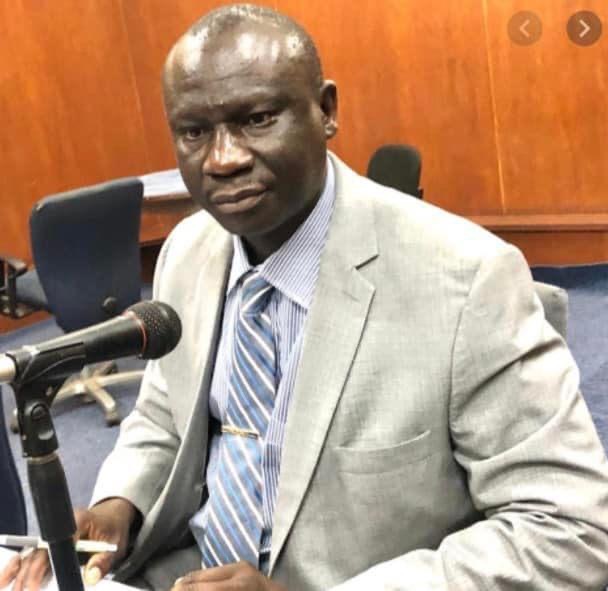
Buah Saidy, governor of Central Bank of The Gambia, has warned that escalating geopolitical tensions and rising global energy prices are increasing inflationary pressures in The Gambia, as the Central Bank moved to keep the Monetary Policy Rate at 14 percent.
Speaking at the Central Bank headquarters in Banjul following a two-day Monetary Policy Committee meeting, Governor Saidy said conflicts in the Middle East and disruptions in global supply chains are negatively affecting economies across the world, including The Gambia.
“Domestic inflationary pressures have shown signs of reversal in recent months, reflecting the impact of rising global energy prices, transport costs, and renewed external price pressures,” he said.
According to the Central Bank, headline inflation rose to 7 percent in April 2026 from 6.6 percent in December 2025, driven mainly by increases in transport, food and utility costs.
The Bank also revealed that global oil prices sharply increased from around US$60 per barrel in January 2026 to nearly US$100 in April 2026, worsening import costs for commodity-importing countries like The Gambia.
Governor Saidy noted that despite the global uncertainty, the Gambian economy remains resilient, supported by strong performance in tourism, trade, construction and financial services.
However, he cautioned that risks to the inflation outlook remain high and require careful monetary policy decisions going forward.
By Adama Makasuba





Recent Comments