When common sense must prevail. The ongoing standoff between the Gambia Press Union and the Government demands maturity, not militancy, dialogue, not drama.
The tension between the Gambia Press Union (GPU) and the Government over proposed media regulations has escalated into a national deadlock. What should have been a technical policy discussion has instead become a battleground of mistrust, public posturing, and opportunistic commentary.
Yet history offers a powerful reminder: even under dictatorship, dialogue was possible. In a democracy, it should be inevitable.
Author’s Note
There is an African proverb that warns: “If a child who is not yet mature insists on knowing what killed his father, whatever killed his father may kill him too.” In moments of national tension, this wisdom reminds us that certain storms require the steady hands of those who have lived long enough to understand the weight of consequence.
The current impasse between the Government of The Gambia and the media fraternity is one such moment. It demands sobriety, institutional memory, and the humility to seek guidance from those who have earned the right to counsel a nation.
The Gambia is blessed with such figures—Halifa Sallah, Sidia Jatta, Sam Sarr of Foroyaa; Pap Saine of The Point; Alieu Sagnia, former Director of Information Services; Cherno Jallow, former GPU administrator; Nana Grey Johnson, private media consultant and a lecturer at the University of The Gambia; senior editor, media chiefs, journalism educators, and other eminent intellectuals whose integrity has been tested across decades of civic struggle. These are not mere commentators; they are custodians of our civic conscience.
Yet age alone does not make an elder. A true elder rises above partisan loyalties and refuses to weaponise wisdom for political gain. When bias clouds judgment, credibility collapses. And without credibility, mediation becomes impossible. This moment calls for impartial, respected voices to step forward, not to take sides, but to steady the nation. Their intervention is not optional. It is a national necessity.
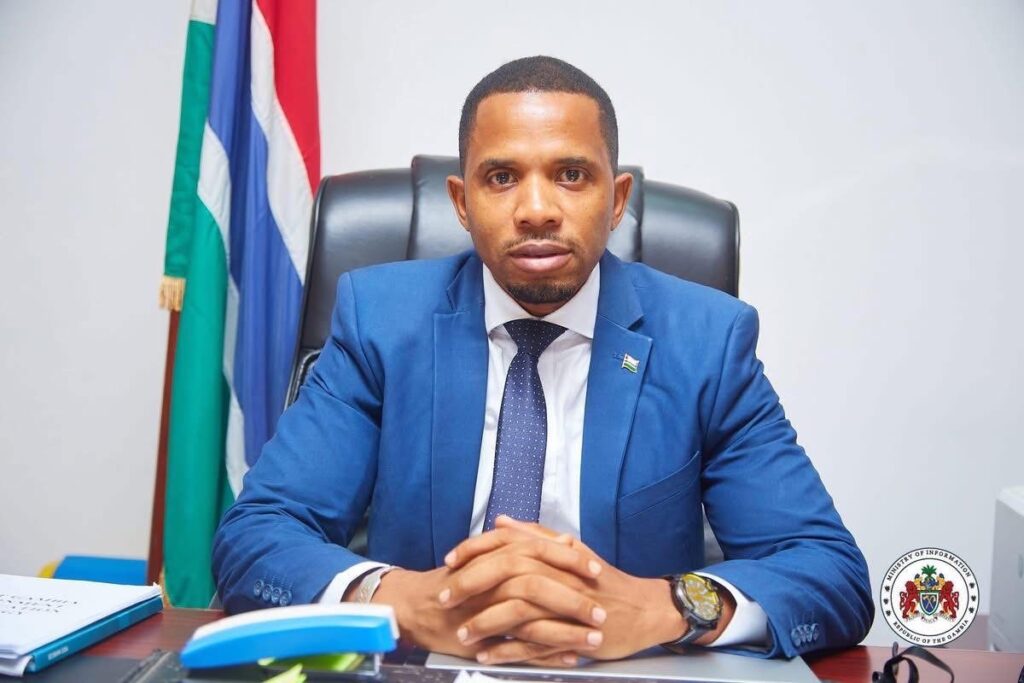
There are moments in a nation’s democratic journey when institutions must pause, reflect, and return to the fundamentals of governance. The current standoff between the Gambia Press Union (GPU) and the Government over proposed media regulations has reached a critical point.
What began as a technical conversation on media development has hardened into mistrust and antagonism, with boycotts now being promoted as the new currency of activism. Before surrendering to this spiral, we must revisit our own history—because, when remembered truthfully, history often restores common sense.
Lessons from the Dictatorship Era
During the Yahya Jammeh dictatorship—an era defined by hostility toward the independent press—there were still two documented instances of structured dialogue between the GPU, media chiefs, and the Steering Committee of the National Media Commission led by George Christensen, Jeggan Grey Johnson, Sweabou Conateh, Cherno Jallow, Deyda Hydara, Demba Jawo, and the author. These meetings took place at the new GRTS headquarters and involved Chairman Abdou Karim Savage, Permanent Secretary Mr. Camara, and Secretary Fintong Singhateh. Even under authoritarian rule, the door to negotiation was not completely shut. If a dictatorship could maintain an open door for dialogue, why should a democracy hesitate?
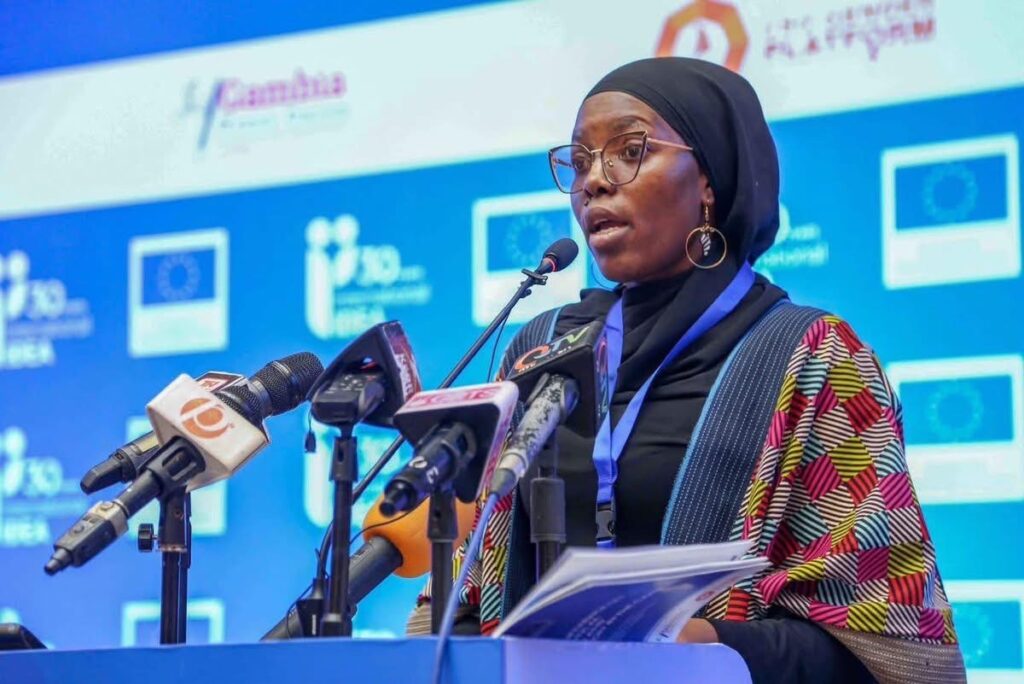
Why should the GPU and the Information Department—two institutions claiming to serve the public interest—refuse to sit at the same table? Why should mistrust be allowed to fester when the constitution encourages consultation, participation, and compromise?
When discussions broke down during the Jammeh era, the GPU went to court—calmly, professionally, without theatrics. There were no social‑media firestorms, no self‑appointed influencers issuing threats, and no fifth columnists escalating tensions for personal gain. The process was guided by law, not noise.
Today, the landscape is different—not more dangerous, but more chaotic. A new class of self‑proclaimed activists and online personalities has emerged, many without grounding in media policy, media law, or the principles of media development. They speak loudly but without context. They encourage confrontation without understanding the regulatory framework. They pressure the GPU to refuse negotiation and urge the government to “stand firm,” as if compromise were betrayal rather than a democratic virtue.
This escalation is not principled activism—it is opportunism that endangers meaningful dialogue at a moment when national clarity, not conflict, is desperately needed. True democracy depends on resolving disagreement through mature dialogue. If former adversaries can find common ground, so too can the GPU and Government—if they choose maturity over division.
What is needed now is not more noise, but the initiation of a structured, dignified, and inclusive national mediation process. I urge GPU leadership and government officials to formally agree to mediated talks, inviting those who understand the craft, the law, and media governance to convene discussions. Media elders and institutional leaders must step forward to organize and facilitate this national conversation without delay.
Figures such as Sam Sarr of Foroyaa, Pap Saine, Alieu Sagnia, Cherno Jallow, Jeggan Grey Johnson, senior editors, retired media executives, journalism educators, and those who carry the institutional memory of the GPU’s struggles should guide the process. Their voices are not driven by popularity contests. They understand the delicate balance between press freedom, professional standards, and regulatory frameworks.
Alongside them, the following institutions should be invited to a one‑day national seminar or roundtable:
The Gambia Bar Association.
Civil society organizations.
The National Assembly.
International media bodies such as IFJ, Reporters Without Borders, IPI, and UNESCO. This is not a conference for speeches. It is a working session for consensus with clear objectives.
1. Establish a shared understanding of the proposed regulations.
2. Identify areas of agreement and legitimate concerns.
3. Develop a roadmap for reform that protects press freedom while strengthening professionalism.
4. Create a permanent mechanism for dialogue between the GPU and the government.
This is how responsible nations resolve policy disputes. I call on the GPU and the government to immediately agree to a mediated dialogue. This is how democratic institutions regain trust: relevant stakeholders should promptly identify common ground and next steps. This is how the media sector avoids fragmentation and politicisation: convene a roundtable to achieve consensus now. The alternative is boycotts, insults, and hardened positions, which will only deepen the divide and weaken both sides. It will damage public confidence, undermine reform efforts, and leave the country vulnerable to misinformation and opportunism.
The Gambia deserves better. Its journalists deserve better. Its government deserves better. It’s democracy demands better. In moments like this, a nation must return to its elders, to the quiet wisdom of those who have walked the long road before us.
For storms do not last, and tempests do not rule the seasons. What endures is the courage to listen, the humility to compromise, and the grace to choose peace over pride. May the GPU and the Government meet again— not as adversaries, but as custodians of the public trust. For The Gambia is greater than our disagreements, and peace is greater than our pride.
By Alagi Yorro Jallow





Recent Comments