The World Bank has identified job creation, reliable energy and a more productive agriculture sector as the key priorities for The Gambia’s long-term economic growth.
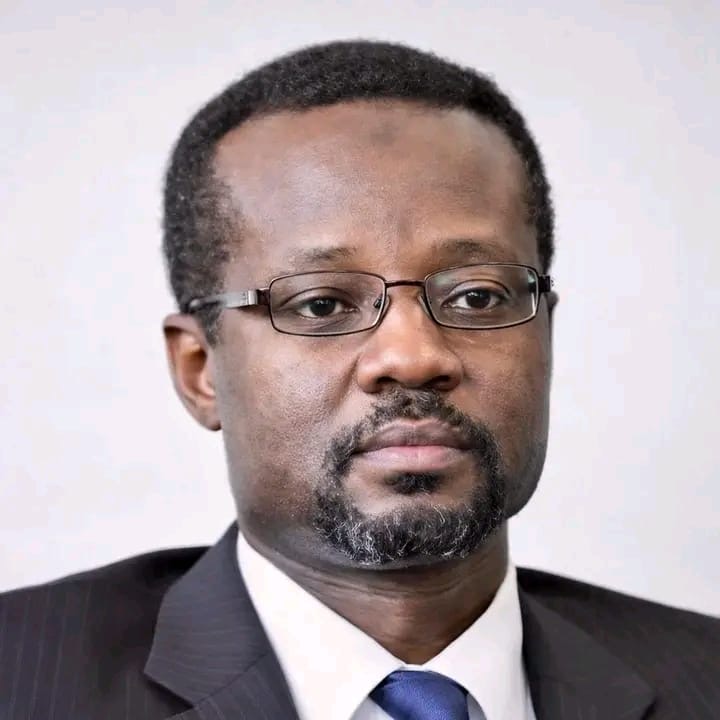
Speaking on Coffee Time with Peter Gomez on West Coast Radio during his first official visit to The Gambia, World Bank Division Director covering The Gambia, Djibrilla A. Issa, said discussions with government officials, businesses, civil society and young people highlighted the urgent need to create more employment opportunities.
“I’ve heard a lot so far. People are looking for opportunities and jobs, and this is also on the government’s agenda,” Issa said.
He revealed that the World Bank currently has an investment portfolio of about US$900 million in The Gambia, supporting sectors including education, health, agriculture, energy, infrastructure and social protection.
Issa announced that the World Bank has approved a US$35 million emergency financing package to help the government strengthen social protection, support energy supplies and procure fertiliser for farmers.
On the country’s electricity challenges, Issa said the World Bank is investing in energy generation, transmission and distribution while supporting the expansion of solar power to improve reliability and reduce dependence on electricity imports.
World Bank Resident Representative Franklin Mutahakana said the institution is working with the government on plans to significantly increase solar energy generation, noting that the country aims to achieve universal access to electricity by 2030.
He added that The Gambia could eventually generate enough electricity to meet domestic demand and potentially export surplus power.
Turning to agriculture, the World Bank officials highlighted the US$108 million Gambia Inclusive and Resilient Agricultural Value Chain Development Project (GIRAV), which aims to boost productivity, improve irrigation, strengthen agricultural value chains and connect farmers to markets through feeder roads and agro-logistics centres.
Mutahakana said the project also supports women-led agribusinesses and seeks to transform subsistence farming into commercially viable agriculture.
The World Bank officials also addressed concerns over the rising cost of living, saying global shocks, including the COVID-19 pandemic, the war in Ukraine and instability in the Middle East, have contributed to economic pressures affecting Gambian households.
Issa stressed that while the International Monetary Fund focuses on macroeconomic stability, the World Bank’s role is to support long-term development through investments that create jobs, strengthen institutions and improve livelihoods.
He encouraged young Gambians to remain engaged and continue challenging policymakers and development partners, assuring them that job creation would remain at the centre of the World Bank’s support for The Gambia.
By Adama Makasuba







Recent Comments