The Gambian government plans to spend D16.17 billion on debt servicing in 2027.
This will be the largest expenditure item in the proposed national budget, highlighting growing pressure on public finances.
The allocation is contained in the 2027 Appropriation Bill.
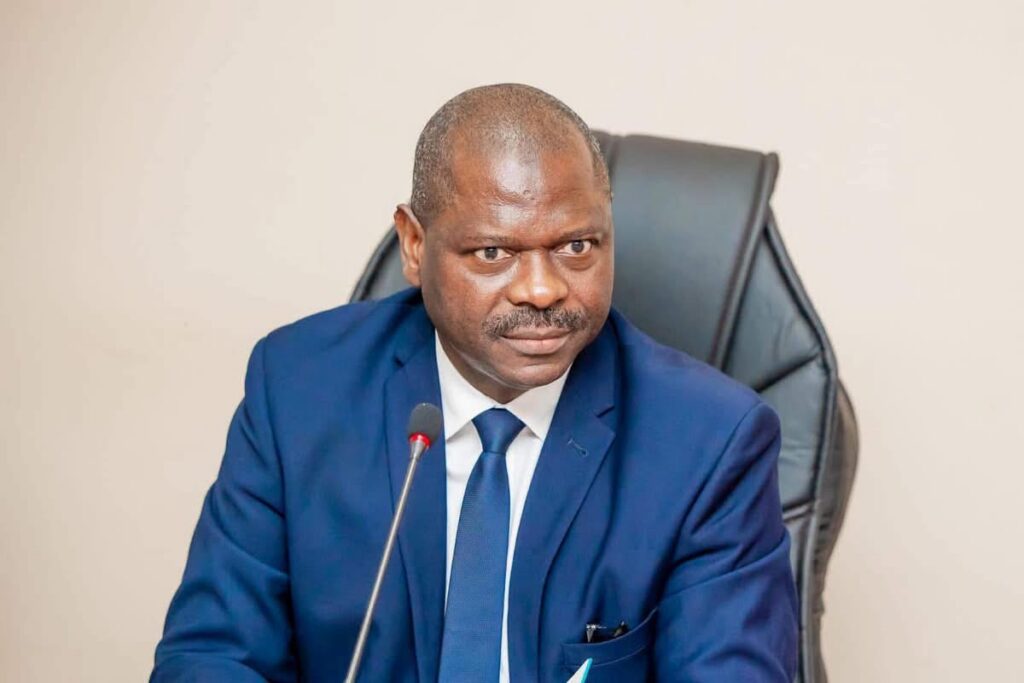
Finance and Economic Affairs Minister Seedy Keita presented it to the National Assembly on Friday, October 23.
The proposed budget puts total government expenditure at D59.24 billion. This represents a 13.1 per cent increase on the approved 2026 budget. Revenue and grants are expected to reach D56.93 billion.
Debt servicing will account for 33.28 per cent of Government Local Funds expenditure and 37.2 per cent of recurrent spending.
This exceeds the combined allocations for the ministries of Health and Basic and Secondary Education.
The government warned that rising debt obligations could limit funding for essential services and other priority programmes.
“Debt service is expected to rise in 2027, accounting for approximately 33 percent of GLF expenditure,” the bill states.
It warns that this could constrain fiscal space and leave fewer resources for other programmes.
The proposed budget identifies several risks to its implementation.
These include global and regional conflicts, climate change, commodity price fluctuations and uncertainty in the global economic outlook.
The Gambia’s reliance on imported fuel, food and other essential commodities also leaves the economy vulnerable to external shocks.
These could fuel inflation and put further pressure on public finances.
Other risks include delays in policy implementation, unforeseen expenditure, refinancing challenges and contingent liabilities.
The latter are particularly associated with state-owned enterprises.
The public-sector wage bill is projected to rise by 9.8 per cent, from D10.2 billion in 2026 to D11.2 billion in 2027.
This increase is expected to further restrict spending flexibility. Personnel costs are difficult to reduce in the short term.
However, the government says lower-than-expected inflation, earlier interest rate cuts and stronger agricultural harvests could ease pressure on households and public finances.
Accelerated structural reforms and improved domestic revenue collection could also help strengthen economic stability.
The proposed budget remains subject to debate and approval by the National Assembly.
It highlights the challenge facing the government as it seeks to meet debt obligations while maintaining funding for public services and development priorities.







Recent Comments