The Gambia Revenue Authority (GRA) has moved from classroom-based transfer pricing training to practical audit work as the tax authority intensifies efforts to identify revenue risks linked to multinational companies and cross-border transactions.
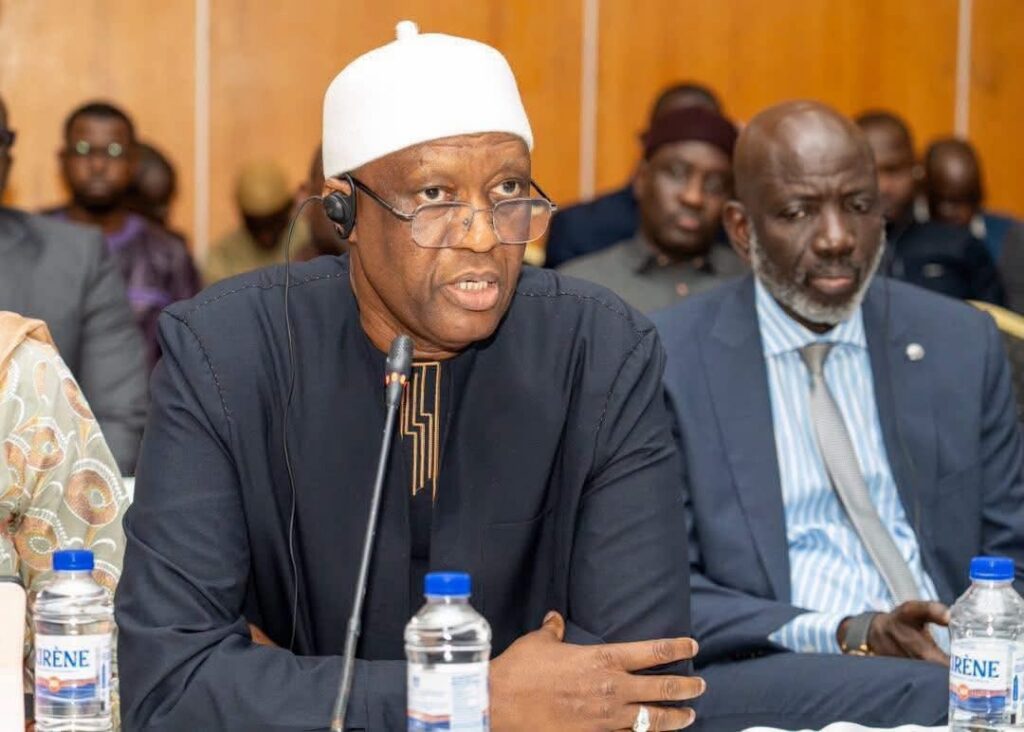
Commissioner General Yankuba Darboe said the latest Transfer Pricing Technical Assistance Mission and Practical Audit Support Programme represents a critical phase in the GRA’s efforts to build the technical capacity needed to conduct effective transfer pricing audits.
Speaking at the opening of the programme, Darboe said GRA officers had already undergone extensive theoretical training on transfer pricing principles, rules and concepts, but stressed that understanding the rules was different from being able to conduct an actual audit.
“This phase is intended to bridge that gap,” he said, explaining that the focus would now shift from the classroom to practical, hands-on audit work.
The programme is being supported by the African Tax Administration Forum (ATAF) and the World Bank, with ATAF transfer pricing specialists Betty Ahwera and Robert Luvuuma providing practical support and Benjamin from the World Bank participating virtually.
Darboe said the mission would provide GRA officers with practical guidance on assessing transfer pricing risks, identifying and selecting suitable cases, planning audits, analysing transactions and determining the steps required to conduct effective transfer pricing investigations.
He said the ultimate objective was to strengthen the GRA’s ability to identify transfer pricing risks and translate audit findings into defensible tax assessments.
The Commissioner General said the initiative formed part of the GRA’s broader domestic revenue mobilisation strategy, particularly as tax avoidance and non-compliance become increasingly sophisticated.
He warned that cross-border transactions, multinational business structures and dealings between related companies could create opportunities for profits to be shifted between jurisdictions, potentially depriving governments of legitimate tax revenue.
“For developing countries such as The Gambia, we cannot afford to allow weaknesses in administrative capacity to become avenues through which legitimate tax revenues are lost,” Darboe said.
He said strengthening the authority’s ability to identify transfer pricing risks and conduct effective audits was therefore essential to protecting the country’s tax base and mobilising the resources needed to finance national development.
Darboe also disclosed that ATAF, working with the World Bank, had shared a draft Transfer Pricing Regulation as part of the programme’s 2026 work plan.
The GRA, he said, would work with the Ministry of Finance and Economic Affairs to review the proposed regulation and provide the necessary comments.
He stressed that legal reforms and administrative capacity must advance together, arguing that sophisticated tax rules would have limited impact if tax authorities lacked the technical expertise to enforce them.
“Equally, administrative expertise must be supported by a clear and effective legal framework,” he said.
By Adama Makasuba







Recent Comments