
Every democracy eventually reaches a point to pause and reflect on its emerging leaders and what shapes their vision. For The Gambia, that moment is now.
This question intensifies when a disciplined and twice-elected leader like Talib Ahmed Bensouda begins to be drawn to a political movement known for its frustrations over its governance record.
Bensouda stands at a decisive point in Gambian politics, representing a generation of competent leadership. Yet his growing admiration for PASTEF and Ousmane Sonko, described by scholars as ideologically thin and driven by populist grievance, raises debate about the direction of youth leadership.
This commentary uses the work of Mudde, Pappas, and Levitsky to highlight the dangers of mistaking populist theatrics for political vision.
Every democracy faces a time when youth must decide: From whom do we learn to lead? In The Gambia, this question is urgent. The mentors and ideologies chosen by a rising generation will shape our political future.
Thus, Talib Ahmed Bensouda’s political journey warrants scrutiny. He is a two-term mayor, a beneficiary of structured grooming in the United Democratic Party, and has a governance record in urban reforms, waste management, and youth employment.
These showcase the results of disciplined leadership.
Yet Talib and his UNITE movement have recently sought inspiration from PASTEF and its leader, Ousmane Sonko.
This shift is not merely puzzling; it is politically hazardous. It raises profound concerns for those committed to ideological clarity, institutional discipline, and democratic governance in Senegambia.
Democracy demands honesty and courage. In The Gambia, courage means admitting a growing trend: young political actors increasingly follow populist figures whose platforms rest on grievance and spectacle, not governance. This is not only unfortunate—it’s dangerous, especially as a promising leader like Bensouda appears to seek inspiration from PASTEF and Ousmane Sonko.
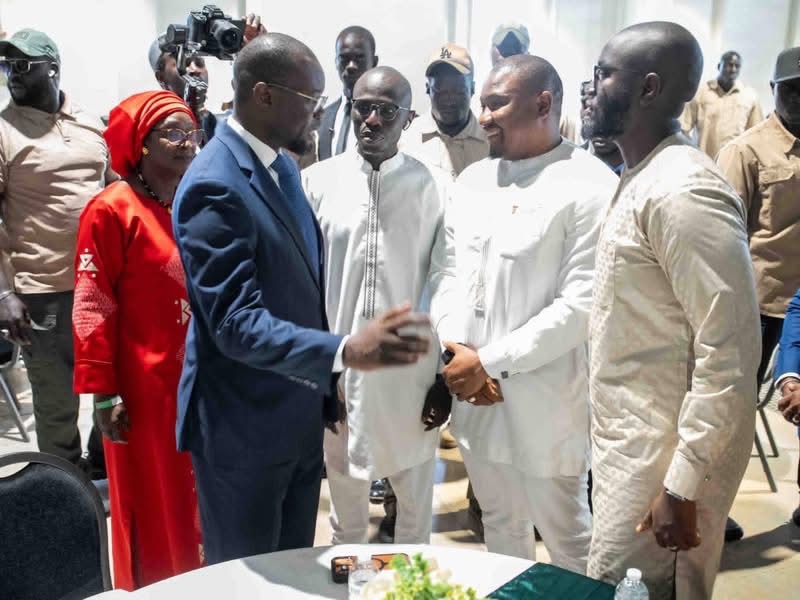
This is not a personal attack on any individual. It is a sober reflection on the sharp contrasts between political cultures, between institutional maturity and the peril of mistaking populist theatrics for ideological leadership.
The question is not whether Sonko is charismatic or whether PASTEF is popular. The real issue is whether Sonko’s and PASTEF’s approach—marked by rapid mobilization and spectacle—offers the same governance model, discipline, and ideological coherence that leaders like Bensouda, who exemplify structured, policy-driven approaches, embody. The evidence suggests these leadership styles are fundamentally distinct.
Across Africa, youth leadership is often romanticized as inherently transformative. But youth alone is not a political ideology. Age does not automatically confer vision, discipline, or competence. What matters is the pedigree of thought, the discipline of institutions, and the exposure to governance.
In The Gambia, however, a worrying trend has emerged: young politicians increasingly seek validation not from successful governance models but from populist movements that thrive on anger, conspiracy, and emotional mobilisation. These movements offer excitement, not structure; slogans, not systems; rebellion, not responsibility.
A political party without ideology is basically just a marketplace, and marketplaces don’t produce statesmen; they produce influence traders. If Talib Bensouda wants to lead his generation, he needs to root his movement in clear ideals, solid policy skills, strong institutions, democratic values, and real governing experience. These are the foundations of lasting political leadership.

Populism isn’t a school for governance—populist leaders are great at stirring anger, not building systems. They feed off crisis rather than fostering stability, and they sell revolution rather than deliver reform.
Talib’s UNITE movement needs ideological depth, not populism. It must develop a political compass and the resolve to reject populist theatrics for the harder, more principled path of institution-building.
To understand why PASTEF is an unsuitable model for Gambian youth leadership, one must turn to the scholarship on populism. Political scientists Cas Mudde, Takis Pappas, and Steven Levitsky describe populist movements as “ideologically thin”—entities lacking coherent political philosophy and relying instead on anti-elite rhetoric, emotional mobilisation, and the construction of a moral binary between “the people” and “the corrupt elite.”
Mudde’s seminal work on populism (2004) identifies this thinness as the core weakness of populist movements, while Pappas (2019) argues that such movements often collapse under the weight of their own contradictions.
Levitsky and Ziblatt (2018) further warn that populist leaders frequently erode democratic norms by personalising power and undermining institutions.
This framework fits Ousmane Sonko and PASTEF with striking precision. Sonko’s rise in Senegal was not built on a coherent political ideology. He is not a founding member of PASTEF; he was invited to lead the party. His political messaging has relied heavily on anti-system rhetoric, accusations of hidden debts, and claims of elite conspiracy, classic hallmarks of populist mobilisation.
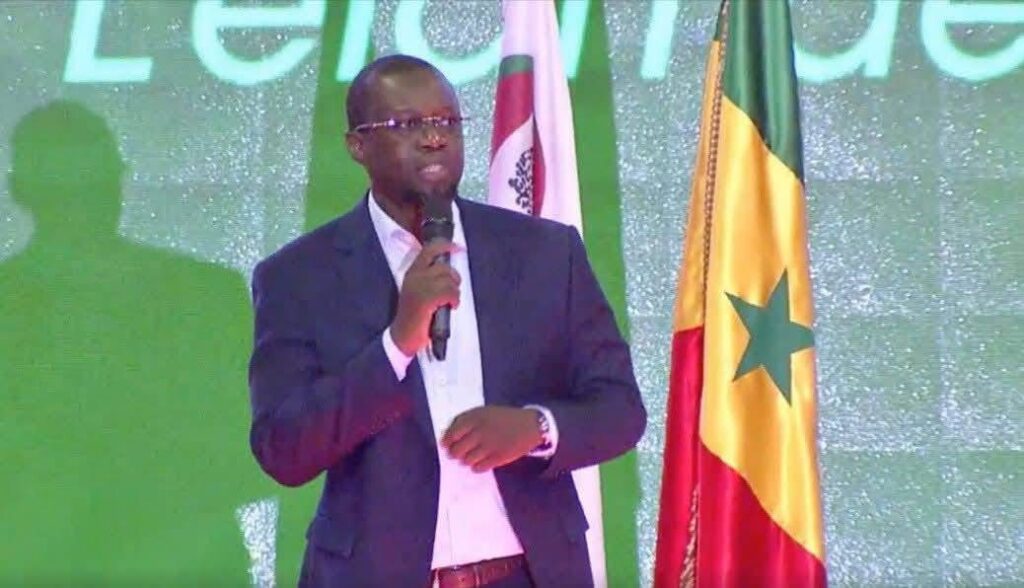
His ideological positions shift with political winds, lacking the consistency required for institutional leadership.
His political career has been overshadowed by legal controversies, including rape allegations, defamation cases, and charges related to insurrection. His tenure as Mayor of Ziguinchor produced no significant development achievements.
As Prime Minister, his government has been linked to media crackdowns, arrests of journalists and critics, clashes with international financial bodies, and accusations of lavish personal spending, including using the presidential plane for private trips.
These aren’t signs of strong ideological leadership, but rather of a populist movement that mistakes defiance for governance. PASTEF, meanwhile, is the organizational discipline expected of a political party.
It hasn’t held regular congresses, built internal democracy, or outlined a clear ideological agenda. Instead, it’s operated as a personalist movement centered on Sonko’s charisma and grievances.
This isn’t a training ground for leaders; it’s a stage for political theatrics.
Talib Bensouda’s political upbringing stands in stark contrast to PASTEF’s populist improvisation. Where PASTEF relies on spectacle and shifting positions, Bensouda is a product of institutional training, political lineage, and administrative discipline.
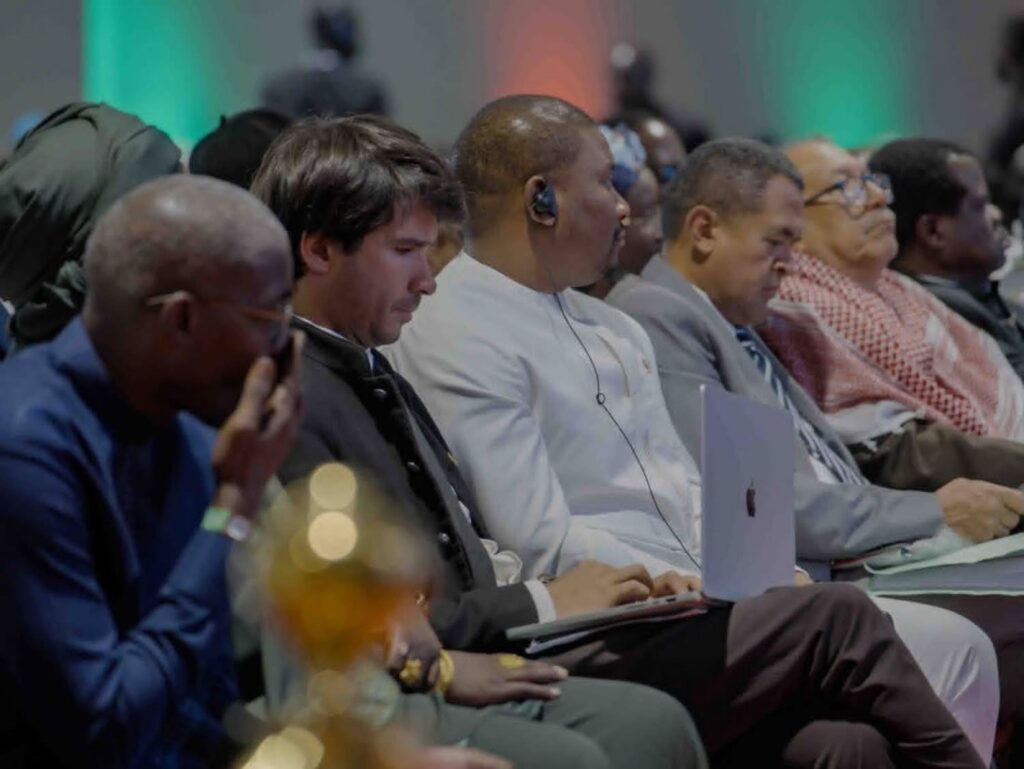
His record as mayor is shaped by competence, structure, and accountability—qualities absent in PASTEF’s largely reactive approach. He has managed budgets, delivered services, built coalitions, and navigated institutional constraints. These are the skills of a statesman, not a populist agitator.
Why would a leader rooted in policy seek inspiration from a movement lacking ideological foundation, governmental record, and discipline? The answer may be populism’s appeal—quick validation and emotional resonance. But it lacks substance, structure, and governance.
In the political landscape of Senegambia, the metaphor is painfully accurate. There are lions who lead with dignity, tigers who act with precision, elephants who carry vision with patience, and deer who bring sincerity.
But the overwhelming majority of today’s political arena is populated by monkeys who make noise and foxes who create illusions.
The tragedy is that many young politicians gravitate toward the monkeys and foxes, those who shout the loudest or manipulate the best, rather than toward the lions and elephants who build institutions. This is not a failure of youth. It is a failure of political culture.
Political scientists call parties like PASTEF “personalist populist movements”—centered on charisma, lacking internal democracy, ideology, and stability, often collapsing with their leaders.
This is not a model for a durable political movement, but a caution. Populist leaders mobilize anger, not institutions, thrive on crisis, and promise revolution, not reform.
Populism cannot teach governance. It can only teach agitation. PASTEF cannot teach discipline. It can only teach defiance. Sonko cannot teach institutional leadership. He can only teach political theatre.
Talib Bensouda’s UNITE movement requires ideological depth, not populist shortcuts. It requires a political compass, not a political echo chamber.
It requires the courage to reject the seductive but hollow world of populist theatrics and to embrace the harder, slower, more principled path of institution-building.
A political party without ideology is not a party; it is a marketplace. A marketplace won’t create true statesmen; it only turns out traders of influence.
If Talib Bensda wants to lead his generation, he needs to ground his movement in strong ideology, solid policy skills, disciplined institutions, democratic practices, and real governance experience. These are the foundations of lasting political leadership..
A Mandinka proverb, loosely translated, reminds us: without discipline, there is no destiny. Talib Bensouda stands at a pivotal moment. One road offers ideological clarity, strong institutions, and outstanding governance.
The other tempts with the flash of populist performance, but little substance. The future of Gambian youth leadership hinges on the path he takes. If he embraces discipline and ideology, he will not only rise but also lead.
By Alagi Yorro Jallow







Recent Comments