A nebulizer is not necessarily a huge or expensive piece of medical equipment. A small, portable, battery-operated handheld nebulizer can cost as little as £15 (about D1,500). It can fit into a lady’s handbag, a schoolbag or a laptop bag.
So the death of Ebrima Gassama, following an electricity outage when a nebulizer was needed, demands deep reflection and serious action.
Should an asthma patient have to travel all the way to a health facility simply to access a small device that must be plugged into electricity? And when the electricity goes out, should that patient be left without the treatment needed to breathe but die?
Why?
This is not simply a question about electricity. It is a question of health-system preparedness, governance and the value we place on human life.
If a portable nebulizer costs around D1,500, how many could be purchased for the cost of just one ministerial vehicle costing D12 million? Eight thousand. 8000!!!
Eight thousand small, portable devices that could potentially be distributed across health facilities and, where appropriate, made available free of charge to vulnerable asthma patients.
I ask the Minister of Health Ahmadou Lamin Samateh whether he has sat down to ask:
- How many Gambians live with asthma and other respiratory conditions?
- How many health facilities have nebulizers?
- What type of nebulizers do they have?
- Do they have battery-operated or other backup options?
- What happens when electricity fails?
- How many patients are left without life-saving treatment during outages?
Does he and his team have these data at hand?
Government can build “state-of-the-art” hospitals, but infrastructure means little if a D1,500 life-saving device is unavailable when a patient needs it or cannot be used because there is no electricity.
And if unreliable electricity continues to cripple our health facilities, then this is not merely an energy problem. It becomes a direct public health and human rights concern. Is Pres. Adama Barrow aware of that? Is he concerned? Does he care?
Ebrima’s death must therefore not be reduced to another statistic. It should compel us to examine the failures that surrounded his death and ask the most basic question of governance:
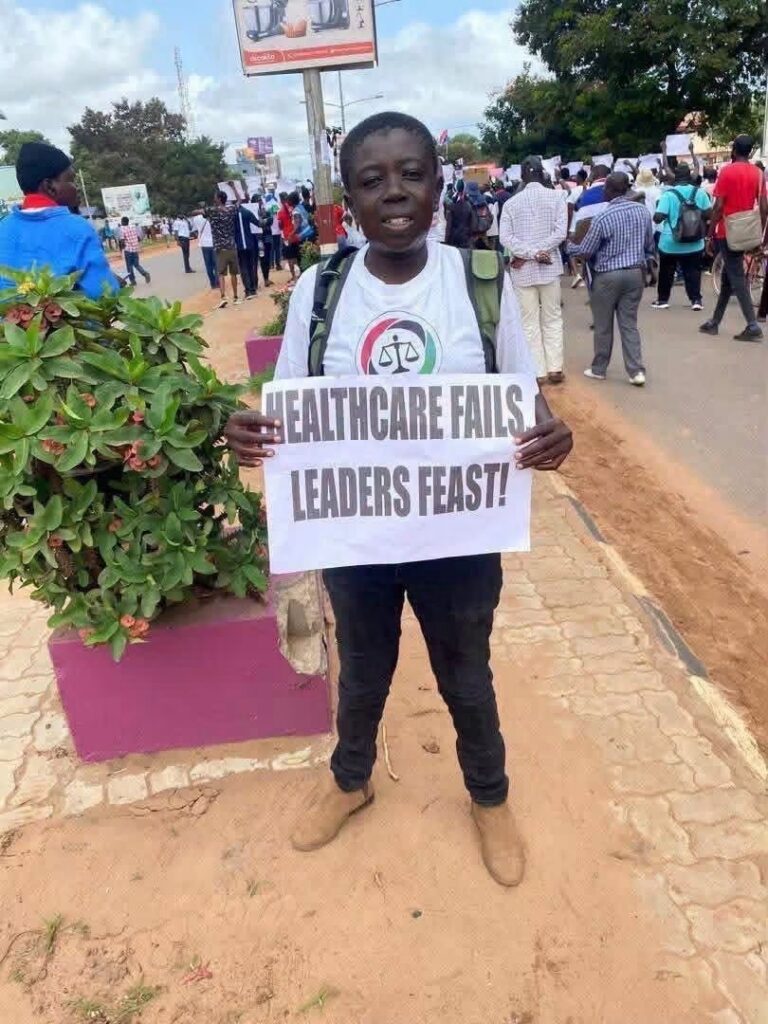
Why are citizens dying from problems that responsible planning, modest investment and basic preparedness could prevent? As Ebrima rightly stated, “Healthcare Fails. Leaders Feast.” Imagine driving a D12 million vehicle but a D1500 nebulizer is not available.
The question now is whether the people will continue to pay the price.
Rest in Jannah by Allah’s Grace, Ebrima!
By Madi Jobarteh







Recent Comments