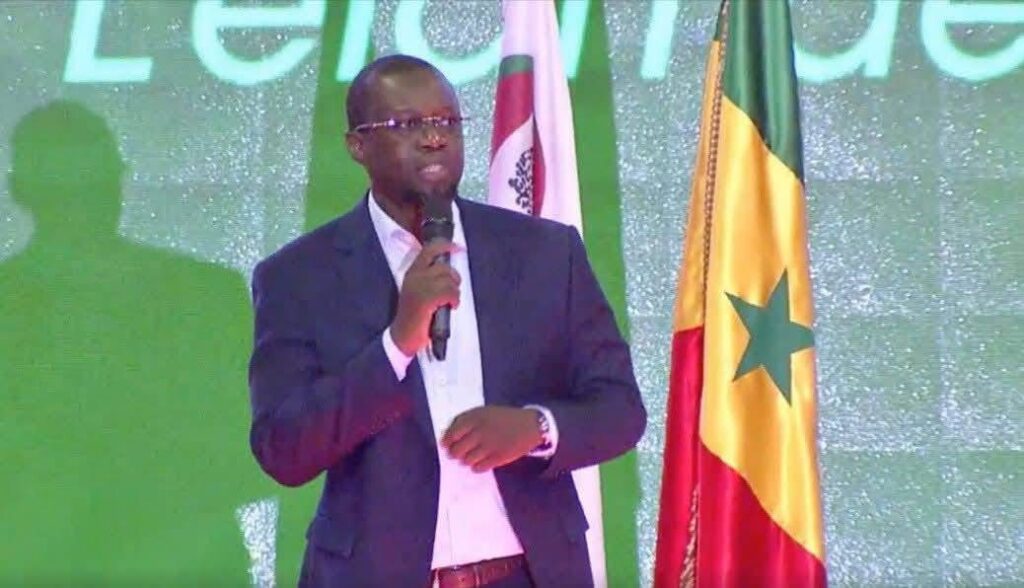
PASTEF leader Ousmane Sonko has called on his party to lead what he described as a “democratic, popular and sovereign revolution”, warning supporters against allowing Senegal’s political transformation to be absorbed by the old order.
Speaking at the close of PASTEF’s first ordinary congress in Diamniadio on Sunday, Sonko thanked delegates for re-electing him as party president and urged members to remain faithful to the movement’s founding ideals of sovereignty, justice and pan-Africanism.
The congress brought together delegates from Senegal’s 553 communes and the diaspora, marking a major milestone for the ruling party since its rise from opposition movement to governing force.
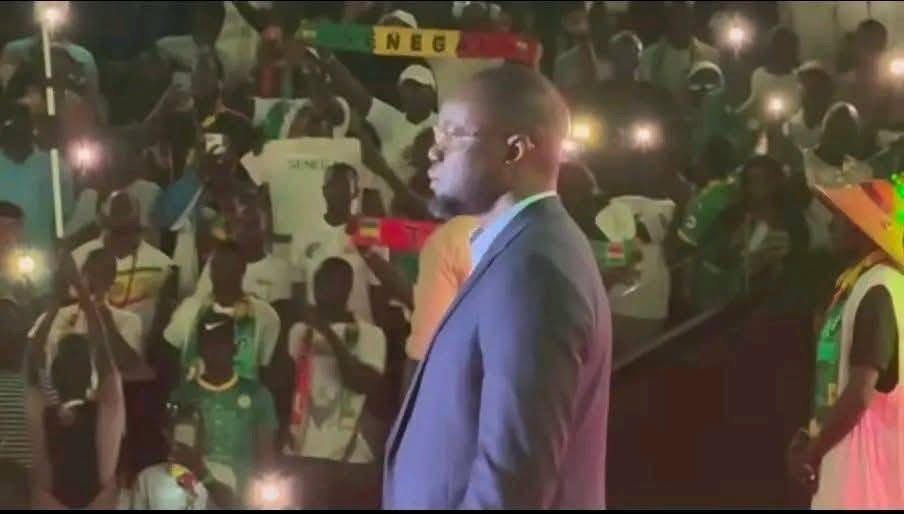
Sonko traced PASTEF’s journey from its creation in 2014 through years of political repression, imprisonment, dissolution and protests, arguing that the party survived because it had become a popular movement rather than a conventional political organisation.
He said attempts to dismantle the party ultimately failed because “you cannot dissolve a hope that has become collective”.
Reflecting on the events between 2021 and 2024, Sonko paid tribute to those who were arrested, imprisoned or killed during political unrest, saying their sacrifices created a responsibility that must not be betrayed.
He warned against reducing the movement’s achievements to what he called “administrative routine” or political compromise.
The former prime minister also outlined his vision of a sovereign Senegal built on economic independence, social justice and pan-African cooperation.
He defended his government’s efforts to renegotiate contracts in strategic sectors, including mining, oil and gas, while prioritising agriculture, energy and food security.
Sonko insisted that PASTEF must remain rooted in communities and avoid becoming an elite political machine detached from ordinary citizens.
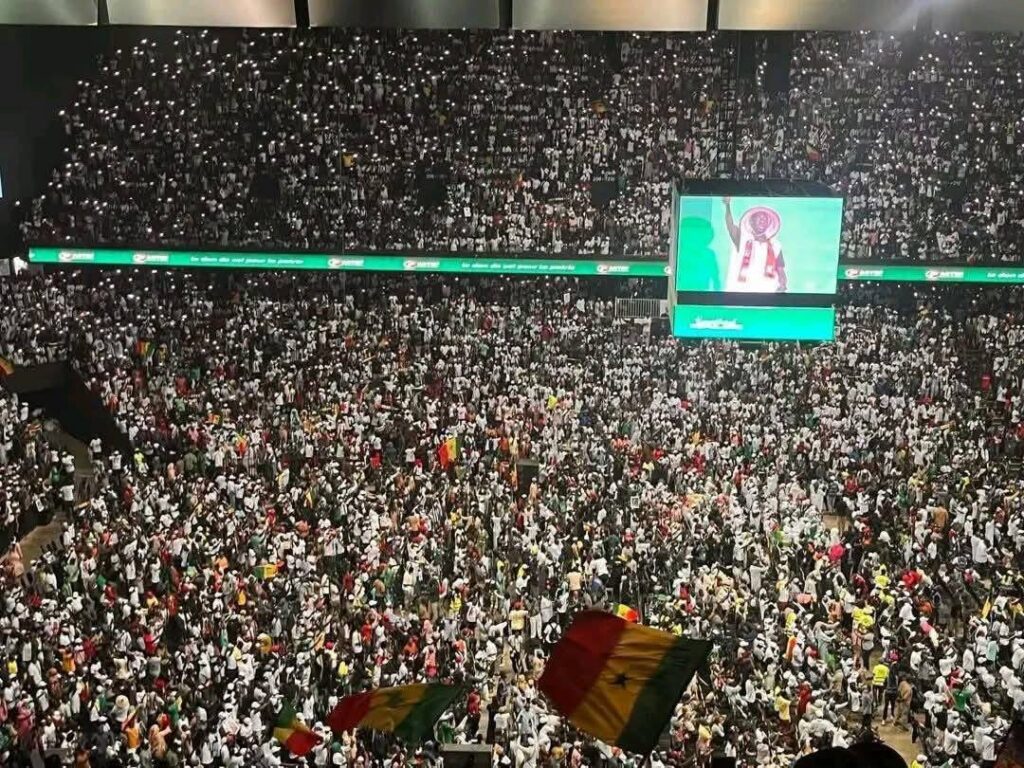
“We have no right to become a replacement elite,” he said. “We have no right to transform the revolution into a career.”
Concluding his address, Sonko urged party members to “organise sovereignty”, transform the state and remain faithful to the Senegalese people, declaring that the country had entered a decisive chapter in its history.





Recent Comments