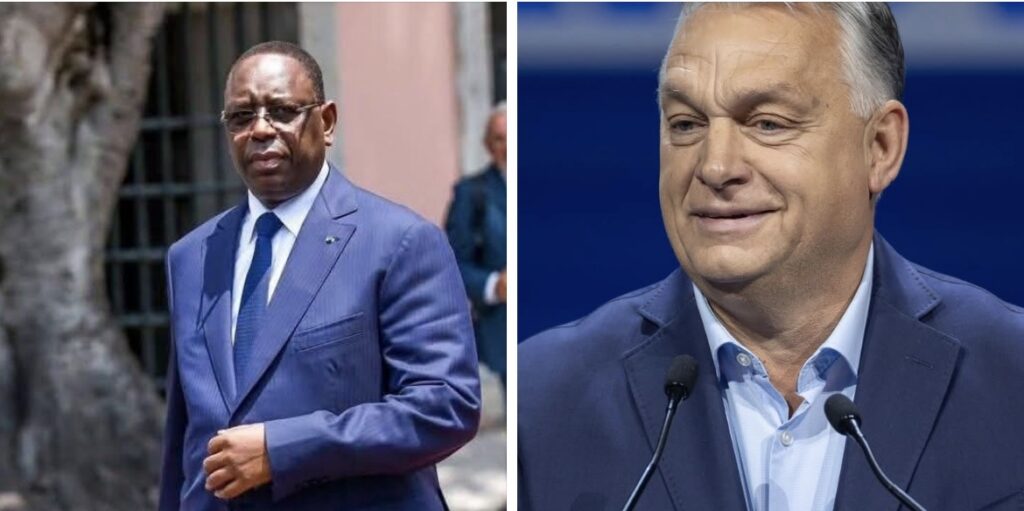
The reported emergence of Viktor Orbán as a potential candidate for the United Nations’ highest office raises a question far larger than one politician’s ambitions. It challenges us to ask whether the principles of democracy, human rights, and accountability are genuinely universal or applied selectively by geography, influence, and political convenience.
Recent reports suggesting that former Hungarian Prime Minister Viktor Orbán could emerge as a candidate for Secretary-General of the United Nations, with possible backing from Washington, Moscow, and Beijing, have sparked considerable discussion among observers of international politics.
Whatever the eventual outcome of such speculation, the debate itself is revealing. It forces us to confront one of global affairs’ most enduring contradictions: the tendency to invoke universal principles while applying them selectively.
For decades, governments, international organisations, civil society groups, and democracy advocates have argued that those seeking leadership positions in major international institutions should face rigorous scrutiny. Their records on governance, democratic accountability, media freedom, judicial independence, political pluralism, and respect for fundamental rights should matter. In principle, few would disagree.
Institutions derive credibility from the values they defend, and those entrusted to lead them should reasonably be expected to embody those values. Yet the Orbán discussion invites a more uncomfortable question. Are these standards truly universal, or are they dependent on who is being judged?
Many Gambians will remember the vigorous debates over former Senegalese president Macky Sall and the prospect of his taking prominent international roles after leaving office. Critics raised concerns about his administration’s handling of opposition politics, public protests, democratic tensions, and state responses to dissent.
Whether one agreed with those criticisms or not, the underlying argument was clear: individuals seeking important international offices should be judged not only by their accomplishments but also by their records on governance and democratic principles. That was, and remains, an entirely legitimate position.
The challenge arises when those same standards appear to lose their urgency once the conversation shifts beyond Africa.
If democratic governance matters in Dakar, surely it should matter in Budapest. If questions about political freedoms, opposition rights, media independence, and institutional checks and balances matter when assessing African leaders, they should matter just as much when assessing European leaders.
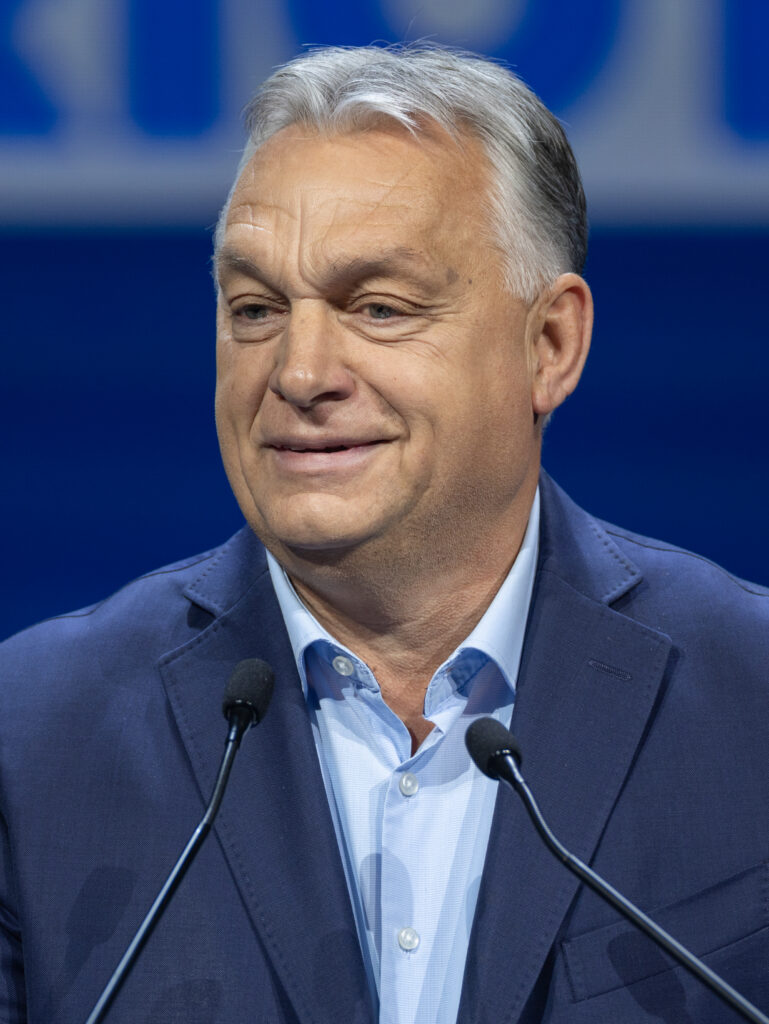
Principles do not become less important simply because the geography changes. This is why the Orbán debate presents an important test not merely for policymakers but also for activists, commentators, and democracy advocates.
Those Gambian voices that vigorously questioned Macky Sall’s suitability for international office over concerns about governance and human rights now have an opportunity to demonstrate intellectual consistency.
If they believed scrutiny was warranted in one case, are they prepared to support similar scrutiny in another? Are they willing to ask the same difficult questions about Viktor Orbán’s record that they were prepared to ask about Macky Sall’s?
The issue is not whether the two men are identical. Nor is it whether one should automatically reach the same conclusions about both. The issue is whether the same standards apply.
Human rights cannot become an African concern when discussing Senegal and then suddenly disappear from view when discussing Hungary. One region can require democratic accountability while treating it as a negotiable consideration in another.
Media freedom cannot be treated as an essential democratic value in one context and an inconvenient footnote in another. If these principles matter, they must matter everywhere. Otherwise, what is presented as a defense of universal values increasingly looks like the selective application of political preference.
This question becomes even clearer when one considers the controversies that have followed Orbán throughout much of his political career. For years, supporters have praised him as a defender of national sovereignty and traditional values.
At the same time, opponents and various European institutions have criticized him over questions of democratic governance, political pluralism, judicial independence, and media freedom. Those debates are well documented and continue to shape perceptions of his leadership.
One need not endorse every criticism directed at Orbán to recognize the inconsistency that emerges when standards are applied unevenly. If democratic shortcomings are sufficient grounds to challenge one leader’s international ambitions, why should similar concerns suddenly matter less when the individual in question comes from Europe or enjoys the support of powerful states?
The answer should never be geography. It should never be race. And it should never be geopolitics. Yet far too often, international politics appears to operate on precisely those calculations.
This reality is not unfamiliar to Africans. For many years, observers have noted how identical actions can receive dramatically different interpretations depending on who performs them. Conduct labeled authoritarian in one part of the world may be described as pragmatic leadership elsewhere. People often condemn measures taken by weaker states but rationalize them when more influential actors pursue them. Standards that are rigidly enforced in some regions become remarkably flexible in others.
This inconsistency fuels skepticism toward international institutions and global political discourse. People notice when principles seem conditional. They notice when the language of democracy is invoked selectively. They notice when powerful countries insist upon accountability abroad while tolerating behavior among allies or preferred candidates that would provoke outrage in different circumstances.
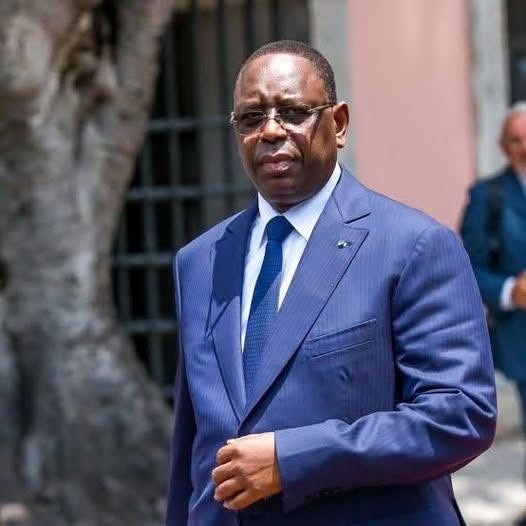
This is why the Orbán debate carries significance beyond the question of who should become the next Secretary-General of the United Nations. It exposes a broader challenge facing those who claim to defend democratic values. The real test of commitment to democracy is not how forcefully one criticizes leaders one already opposes. The real test is whether one applies the same standards to leaders one admires, excuses, or finds politically useful.
Consistency is the foundation of credibility. Without consistency, principles become preferences. Without consistency, accountability becomes selective. Without consistency, democratic advocacy risks becoming an exercise in political convenience rather than moral conviction.
The deeper question, therefore, is not whether Viktor Orbán should or should not aspire to high international office. Nor is it whether Macky Sall should have done so. The deeper question is whether the standards used to evaluate them are rooted in principle or shaped by circumstance.
If democracy is truly universal, then scrutiny must be universal. If human rights are truly universal, then concern for them cannot stop at continental boundaries. If accountability is truly universal, then accountability cannot have favourites.
Otherwise, we are left with a troubling reality in which principles apply to the weak while the powerful are granted exceptions, and outrage is reserved for some. In contrast, we stay silent about others, and universal values become instruments of convenience rather than standards of judgment. History has always had a name for such a condition. It is called double standards.
By Alagi Yorro Jallow








Recent Comments