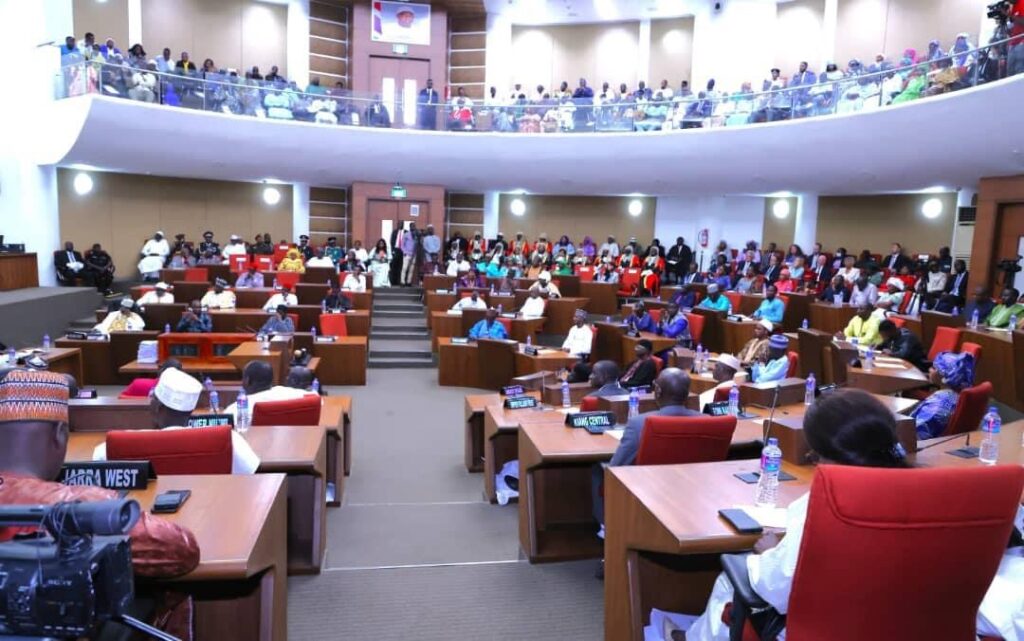
The Gambia has presented its experience with a unicameral parliamentary system at the 153rd General Assembly of the Inter-Parliamentary Union (IPU), highlighting both the efficiency and challenges of having a single legislative chamber.
Clerk of the National Assembly Kalipha MM Mbye shared The Gambia’s experience during a general debate organised alongside the Assembly by the Association of Secretaries General of Parliaments.
Speaking on the theme “Unicameral or Bicameral Parliaments: What are the advantages and disadvantages?”, Mbye said a unicameral system can make the legislative process more agile.
He said bills can move from first reading to presidential assent without the delays that can arise from having to reconcile the positions of two separate parliamentary chambers.
However, Mbye also highlighted structural challenges that a unicameral parliament must manage.
“Without a revising upper house, the entire burden of catching drafting errors falls on internal committee stages and the Office of Clerks’ legal support,” he said.
Mbye said this could place additional pressure on the same 58 Members of the National Assembly, who must simultaneously handle legislative work, oversight responsibilities and constituency duties.
The Gambia’s contribution formed part of wider discussions among parliamentary officials on the advantages and disadvantages of unicameral and bicameral systems.
The debate provided an opportunity for countries operating different parliamentary structures to share experiences and examine how legislative institutions can strengthen efficiency, scrutiny and accountability.
By Adama Makasuba







Recent Comments