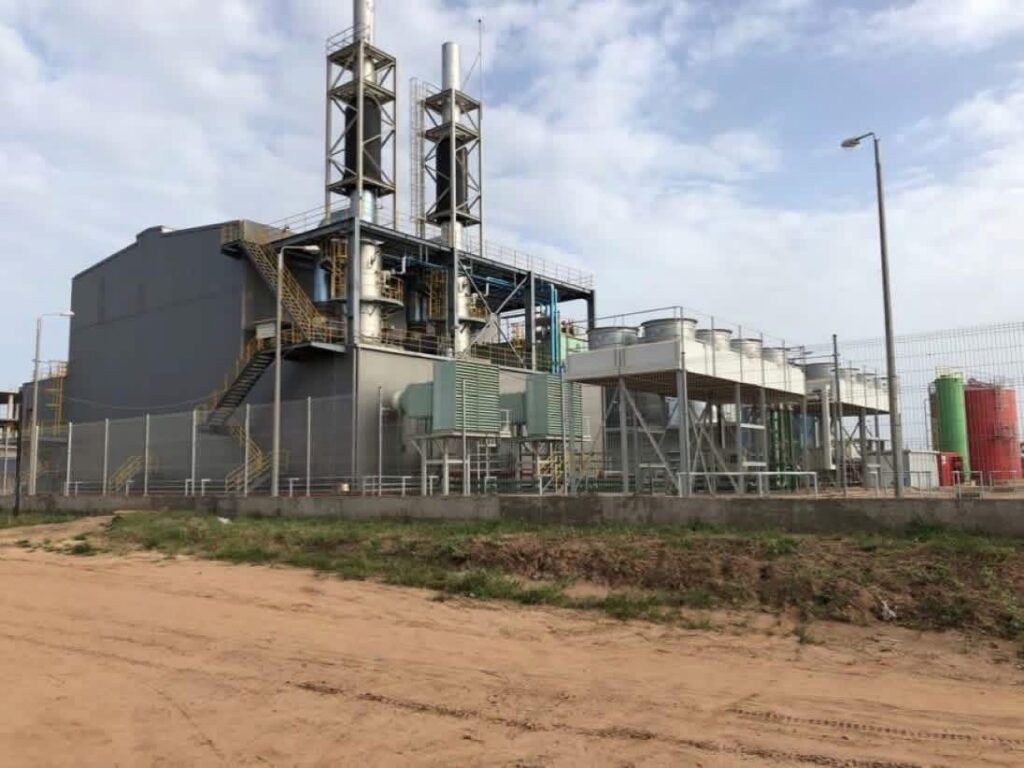
The Managing Director of the National Water and Electricity Company (NAWEC), Gallo Saidy, says high electricity costs are driven by expensive domestic generation and the country’s reliance on imported power.
Speaking to GRTS, Saidy said conventional power generation is costly but expects greater investment in solar energy to reduce tariffs over time.
He said the government subsidises electricity, meaning consumers do not pay the full production cost.
“The people need to know that they are not paying 100 percent of the cost of electricity they are getting; the government is paying some of that for them,” he said.

Saidy said NAWEC’s long-term plan is to expand renewable energy while increasing generation capacity. A key project is a planned 150-megawatt solar plant in Soma, which he said could transform the country’s energy sector.
He said one megawatt can supply about 1,000 people. Peak demand in the Greater Banjul Area currently stands at about 120 megawatts.
“If you are going to put 150 megawatts in Soma, that has doubled that, so in terms of population-wise, we will be basically net exporters if we got to that,” he said.
Saidy also said many power outages are caused by an overstretched distribution network rather than a shortage of electricity.
He explained that transformers built for about 100 households now serve as many as 200, forcing NAWEC to carry out load shedding to protect the system.
His remarks come as electricity demand continues to rise across The Gambia, putting pressure on the ageing grid despite efforts to expand generation and invest in renewable energy.







Recent Comments