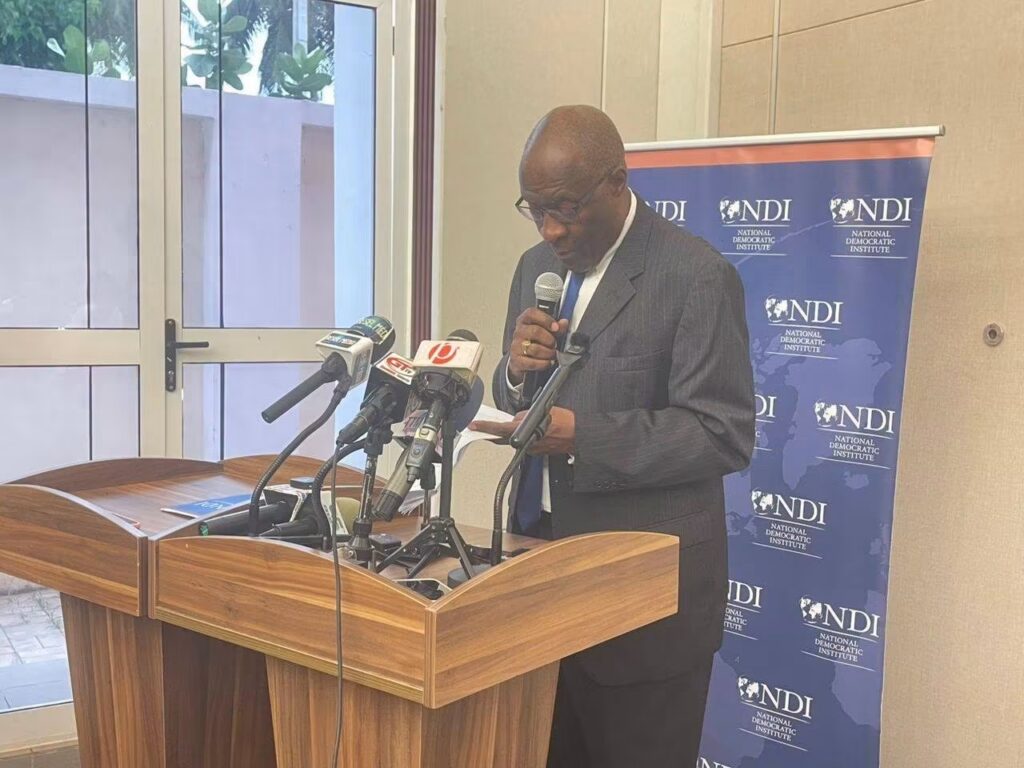
The National Democratic Institute (NDI) has praised The Gambia’s democratic progress over the past decade but raised concerns about stalled constitutional reforms, restrictive laws and broad presidential powers as the country prepares for the December 2026 presidential election.
The observations followed a pre-election assessment mission by the institute, which examined the country’s political and electoral environment ahead of the presidential polls.
NDI highlighted the expansion of multiparty politics and improvements in press freedom since the political transition that followed the 2016 presidential election.
However, the institute said some of the reforms expected after the end of former President Yahya Jammeh’s 22-year rule remain incomplete.
One of the major concerns raised by NDI is the continued use of the 1997 Constitution, after attempts to introduce a new constitution failed to secure the necessary support in the National Assembly in 2020 and 2024.
“Civil society deplored the apparent lack of political will to find consensus on a new constitution, as demonstrated in two failed attempts at the National Assembly in 2020 and 2024,” NDI said.
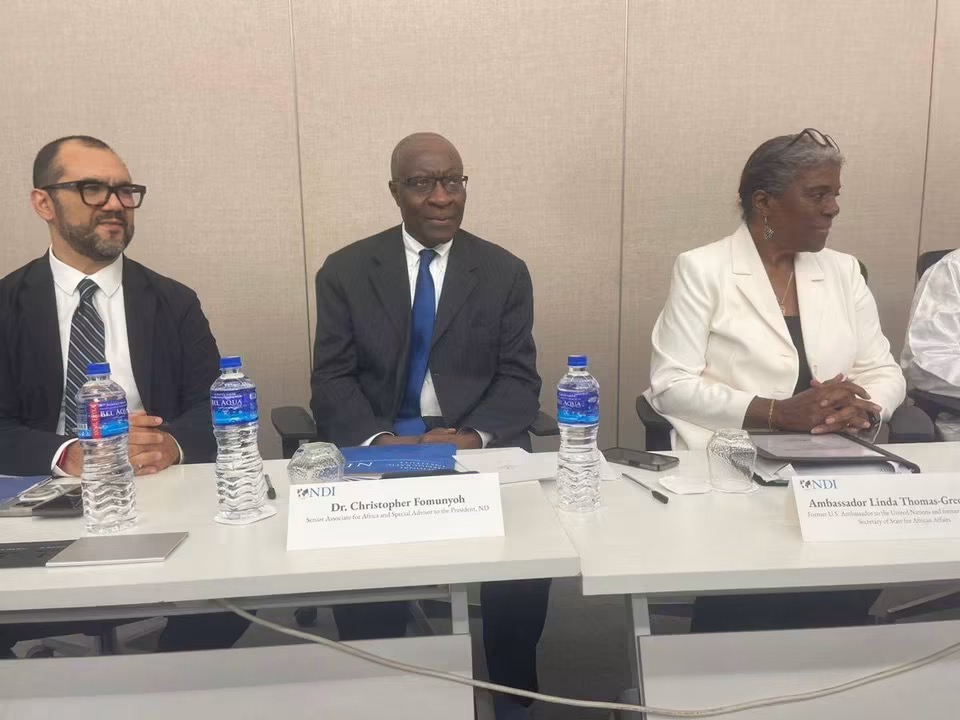
The institute noted that the failure to adopt a new constitution means The Gambia continues to operate under a constitutional framework introduced during Jammeh’s rule.
NDI also pointed to the absence of presidential term limits under the current Constitution, describing it as a significant issue ahead of the 2026 election.
According to the institute, a recent Afrobarometer survey found that 86 percent of Gambians support the introduction of presidential term limits.
The report also raised concerns about laws inherited from both the former authoritarian government and the colonial period.
NDI warned that some of these laws could provide room for restrictive practices and potentially undermine democratic freedoms if they remain unchanged.
The institute said the country’s democratic gains over the past decade should therefore be accompanied by continued institutional and legal reforms to strengthen democratic governance.
The assessment comes at a crucial time for The Gambia, with political parties preparing for the December presidential election and debates intensifying over the country’s democratic institutions and electoral framework.
NDI’s observations highlight the progress made since 2016 while drawing attention to unresolved issues that could influence the country’s democratic development.
The institute’s assessment also places constitutional reform, legal safeguards and the balance of presidential powers among the key issues requiring attention as The Gambia approaches the 2026 polls.
By Adama Makasuba







Recent Comments