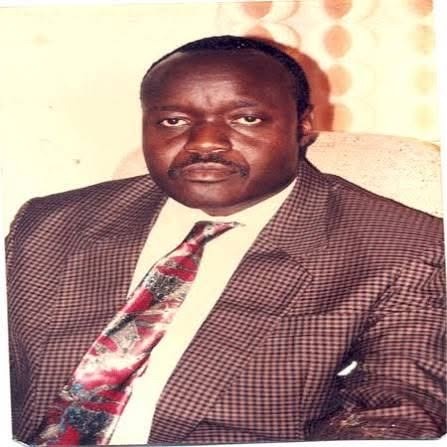
In 1992, The Gambia had no daily newspaper, only The Point, a modest bi‑weekly, until Liberian journalist Kenneth Y. Best, fleeing civil war, established the Daily Observer, the country’s first true daily and the incubator of a generation of Gambian journalists.
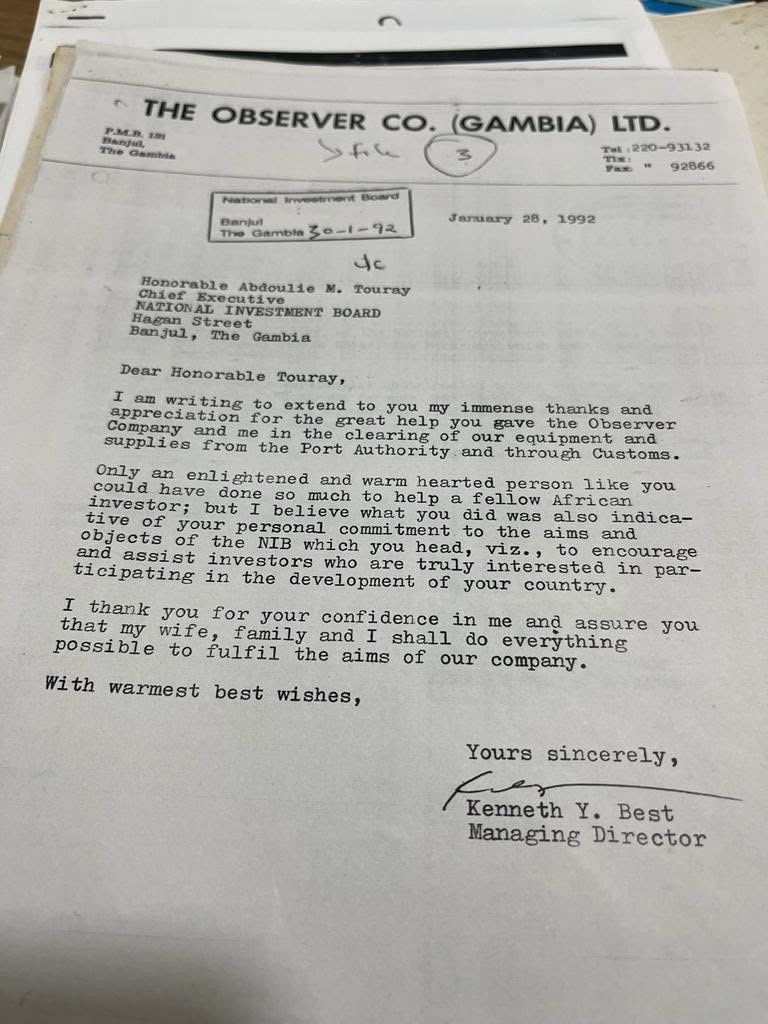
A newly resurfaced letter from Best to Ambassador Abdoulie Matarr Touray, then Chief Executive of the National Investment Board, reveals how Touray quietly ensured the Observer’s equipment entered the country, enabling the birth of an institution that transformed Gambian public life. Best’s praise of Touray as “enlightened and warm‑hearted” stands as a testament to the statesman who helped solidify press freedom in The Gambia.
Some documents arrive not as relics but as revelations. One such document is the resurfaced 1992 letter from Kenneth Y. Best, founder of the Daily Observer, to Ambassador Abdoulie Matarr Touray, then Chief Executive of the National Investment Board. It is more than a note of appreciation. It is a testament to the quiet, often unseen labor that sustains democratic life.
To understand this letter’s weight, one must recall The Gambia’s media landscape in 1992. The country had no daily newspaper. The only regular publication was The Point, a bi‑weekly paper that served a small but committed readership.
The Gambia had journalists, but it lacked a daily press, an institution that could chronicle national life every morning; a platform that offered continuous scrutiny of power; a newsroom that operated with the rhythm and urgency of a modern democracy.
Into this vacuum stepped Kenneth Y. Best, a Liberian journalist fleeing the devastation of civil war. Instead of seeking refuge in silence, he chose to build again. He brought with him the spirit of Monrovia’s Daily Observer, and in The Gambia he planted its successor: a newspaper that became the country’s first daily, its most influential media institution, and the incubator for an entire generation of Gambian journalists.
Many of the names that later shaped Gambian media culture passed through its newsroom. The Observer became a national institution not by accident, but through the convergence of courage, vision, and the integrity of those who believed a free press was necessary.
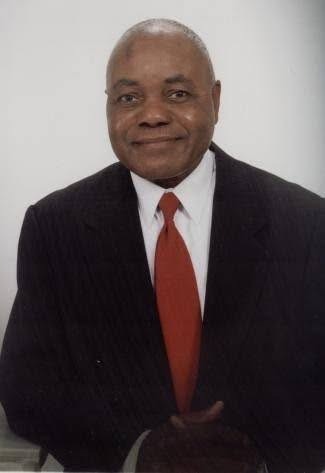
But newspapers do not rise on courage alone. They rise on infrastructure, on goodwill, on the integrity of public servants who understand that a free press is not a threat but a national asset. This is where Ambassador Abdoulie Matarr Touray enters the story.
In his letter, Best expresses “immense thanks and appreciation” for Touray’s decisive assistance in clearing the Observer’s equipment and supplies through the Port Authority and Customs. On its face, it is a logistical courtesy. In truth, it was an act of democratic stewardship.
Without that intervention, the Observer’s printing press, newsroom equipment, and essential supplies might have languished in bureaucratic limbo. Touray ensured they did not.
Best’s words reveal the depth of Touray’s commitment. He writes that “only an enlightened and warm‑hearted person like you could have done so much to help a fellow African investor.” In that single line, one sees the character of a statesman — a man who understood that development is not only economic, but intellectual; that a nation cannot grow if its citizens are denied the right to know; and that the press is not an adversary of the state but a partner in its maturation.
Touray’s assistance was not transactional. It was philosophical. Best notes that his help reflected “your personal commitment to the aims and objects of the NIB… to encourage and assist investors who are truly interested in participating in the development of your country.”
By supporting the Observer, Touray was not merely facilitating an investment; he was helping spark a national awakening. He was clearing more than equipment; he was clearing a path for truth.
The Daily Observer would become a national institution, a training ground for young Gambian journalists, a platform that shaped public debate, and a newspaper that chronicled the country’s triumphs and tragedies with courage. Its influence was no accident; men like Best laid the foundation, and public servants like Touray supported it.
This letter also reminds us of leadership’s human dimension. Best writes with warmth, gratitude, and trust, not as a businessman, but as a fellow African who recognized Touray’s rare integrity. Their exchange captures the architecture of statesmanship: humility, service, and a belief that one’s role is to open doors rather than close them.
In an era when Gambian public discourse is too often polluted by pseudonyms, smear campaigns, and manufactured hostility, this letter stands as a counterpoint — a reminder of what leadership looks like when grounded in principle rather than insecurity.
It shows what public service looks like when duty, not ego, guides it. It shows what nation‑building looks like when rooted in cooperation rather than confrontation.
Ambassador Abdoulie Matarr Touray’s contribution to press freedom did not come through speeches or self‑promotion. It came through action, quiet, decisive, and deeply consequential.
Kenneth Best’s letter resurfacing reminds us that history remembers those who build, not those who tear down; those who open space for dialogue, not those who suffocate it; those who strengthen institutions, not those who hide behind aliases to undermine them.
In helping the Daily Observer take its first breath, Touray helped The Gambia breathe more freely. That is the legacy of a statesman, and the letter is its enduring testament.
By Alagi Yorro Jallow




Recent Comments