The Independent Electoral Commission (IEC) is preparing to establish revising courts to determine the fate of 1,694 names challenged during the recent voter registration exercise.
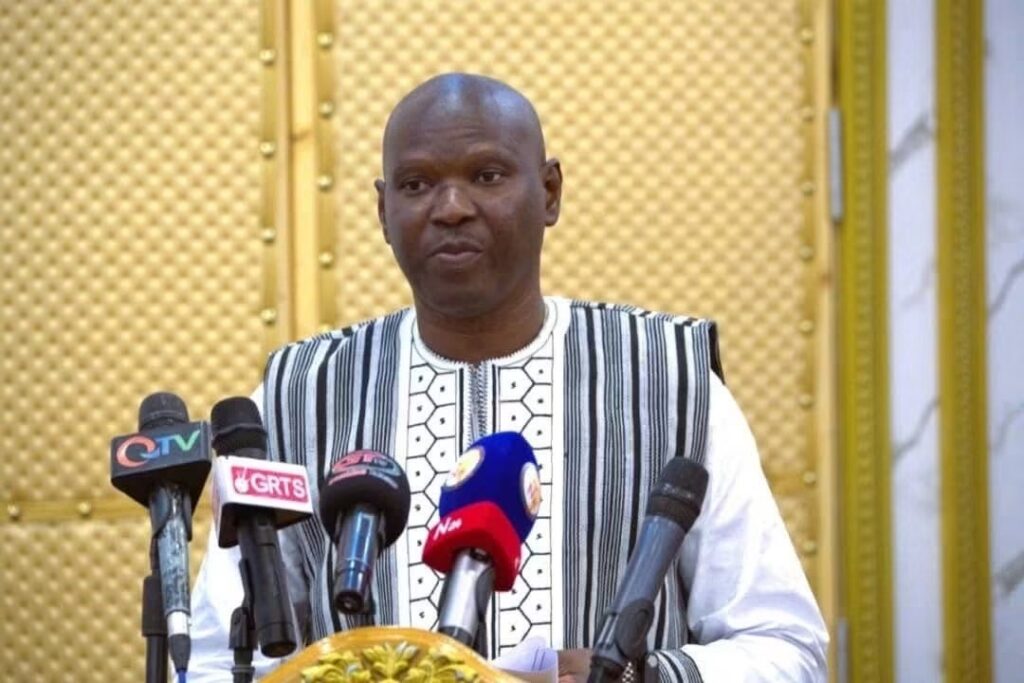
IEC Chairman Joseph Colley said the process will give objectors an opportunity to substantiate their claims before magistrates, particularly in cases where registered voters have been accused of being underage or non-Gambian.
Speaking on the process, Colley explained that the burden of proof rests with the person who lodged the objection.
“If you object to a person and you give reasons, then you go to the court and you establish it, because now the proof is on you,” he said.
The IEC chairman said the Commission had already engaged the Chief Justice and requested the assignment of magistrates to handle the objections.
According to him, the first batch of magistrates assigned to the exercise underwent a two-day refresher training this week, while another batch is expected to undergo training next week.
The Commission will subsequently establish the revising courts, where the objections will be heard and determined.
Colley explained that the courts will examine the evidence presented by objectors before deciding whether a challenged name should remain on the voters’ register or be removed.
He said objections include claims that some individuals are below the legal voting age or are not Gambian citizens.
“If the court says there is no proof that whatever reasons the person was objected to are proven, then the magistrate can say retain his name or her name,” he explained.
However, where an objection is successfully established, the magistrate can order the IEC to expunge the person’s name from the voters’ register.
Colley said the revising court process will run for 60 days, providing a formal legal mechanism for resolving disputes arising from the registration exercise.
The process comes as the IEC moves to scrutinise contested registrations ahead of the 2026 elections.
Rather than allowing disputed names to be removed solely on the basis of an objection, the revising court mechanism places the responsibility on objectors to present evidence and allows the judiciary to make the final determination.
The IEC’s engagement with the judiciary is therefore expected to provide an independent avenue for resolving registration disputes and determining whether challenged voters meet the legal requirements to remain on the electoral register.
By Adama Makasuba







Recent Comments