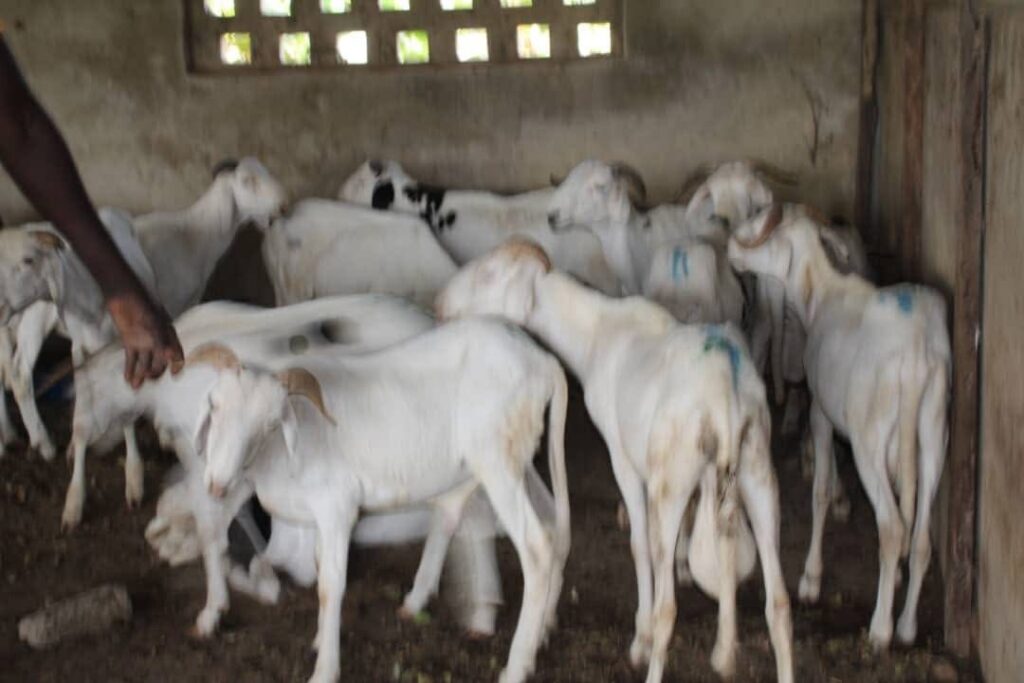
Every Tobaski, the nation comes together around a single question—not theological, not philosophical, but brutally economic: How much is a ram?
It’s a question that should be simple, almost routine, yet in The Gambia, it’s become a national verdict on the state of the country. The price of a ram now reflects the price of our dignity, our governance, and our shared future. It’s no longer just an animal; it’s a statement.
As mentioned in part one of my essay, Tobaski is becoming a challenging time for many Gambians, with rising prices for essentials like rams, onions, potatoes, rice, oils, and clothing straining family budgets.
Ram prices for Eid al-Adha now range from D18,000 to D80,000, depending on size and breed. Smaller rams sell for D18,000 to D35,000, while larger breeds such as the “Ladoum” can cost up to D80,000.
These steep costs underscore the difficulties families face in celebrating the festival and reflect the ongoing struggle with poverty.
The price of a ram has become a measure of national hardship. When it exceeds a civil servant’s salary, the country is hurting. When nurses, police officers, and teachers have to borrow for religious obligations, nurses are forced to choose between paying rent and observing rituals, and police resort to begging for help, the nation is in crisis.
When the poor accept rams from those who keep them impoverished, the republic has lost its moral compass.
Tobaski is meant to be a festival of sacrifice, a moment when faith meets generosity and families gather in gratitude.
But in a country where poverty is entrenched, and inflation is constant, the ram has become a symbol of inequality—standing at the crossroads of faith, hardship, and despair.
The price of a ram lays bare the structure of inequality built steadily over decades. It shows a political class skilled in indulging without shame, a government that rules without urgency, and a society so used to suffering it hardly feels it anymore.

The ram isn’t the problem—it’s the mirror, reflecting a country where the elite feast on plenty while the poor are left with nothing but excuses.
In a functioning republic, the price of a ram rises and falls with the seasons.
It should not rise with failures of governance. In The Gambia, prices rise due to corruption and mismanagement. It climbs with the greed of those in power. It rises with every unpunished theft and every ignored audit recommendation.
It rises with every commission report that gathers dust. It grows with every minister who lies about inflation and every adviser who comforts the President while the nation starves.
The price of a ram is the price of justice. When thieves walk free, and whistleblowers walk in fear, the ram becomes expensive. When the state protects the corrupt and punishes the poor, the ram becomes unaffordable.
When the government refuses to confront the economic rot eating the nation from within, the ram becomes a luxury item. And when the people lose faith in the state, the ram becomes a symbol of betrayal.
A nation that cannot afford a ram cannot afford illusions. Tobaski, the festival of sacrifice, should be a moment of joy, dignity, and communal uplift. Instead, it has become a mirror reflecting our deepest national wounds.
The price of a ram — once a symbol of devotion — has become the price of our collective shame. A republic that trembles at the cost of a sheep is in crisis, stripped of its moral clothing, bleeding quietly beneath the noise of political slogans.
Tobaski strips away rhetoric and statistics, insisting the economy prospers. In its light, the country is exposed: the poor give up their pride, while the elite give up nothing. The government governs without empathy, the political class without conscience, and the people pray—pockets empty, hearts heavy.
The Gambian elite glide through supermarkets like royalty. They do not know the price of rice, oil, or a ram. They only know the price of their next foreign trip. They steal with both hands and pray with their eyes closed.
They hand out rams during elections, like colonial governors handed out salt. Loyalty is bought as cheaply as silence cynically and without shame. The poor beg for rams while the elite buy SUVs. The moral compass has not just broken; it was sold at auction.
The price of a ram tells a different story than the official claims. Despite government assurances about inflation, it’s the market prices and everyday experiences that show the real economic struggle. That cost has become a clear symbol of the nation’s hardship.
The price of a ram is the price of hope. For families who cannot afford a ram, the loss is not only of a ritual but of belonging, dignity, and connection to a binding community tradition. Without a ram, Tobaski shifts from celebration to shame, from gratitude to envy, from joy to humiliation. A republic that cannot guarantee dignity cannot foster hope.
President Adama Barrow vowed to jail thieves, but instead, he hired, honored, and protected them, even sharing meals with them. The Janneh Commission named names, as did audit reports, and the people know those names.
Only the President acts as if he doesn’t. A republic that won’t punish thieves can’t protect the poor, and a state that shields the corrupt can’t safeguard the vulnerable. A nation that excuses wrongdoing has no right to ask its citizens for sacrifice.
Civil servants—teachers, nurses, doctors, police—are among the most mistreated in the country. They’re the backbone of the nation, yet decades of neglect have left them worn down and struggling.
Their salaries sit locked away by greedy accountants, leaving them unable to pay rent, buy food on credit, or afford Tobaski rams, let alone preserve their dignity. This problem has been around for decades and is a national shame.
Families have fallen apart, kids have dropped out of school, and dreams have quietly faded away. A state that can’t pay its workers has no right to call itself a state.
The Ministry of Finance says inflation is falling. The market says the Ministry is lying. The ram seller says everyone is suffering. The mother in the market says even rice is now a luxury. The civil servant says his salary ends before the month does. The government says the economy is stable. The people say the government is delusional. A republic that cannot tell the truth cannot solve its problems.
Across West and Central Africa, the U.N. World Food Program says tens of millions are struggling to meet basic food needs. Conflict, climate shocks, and inflation have displaced countless people.
In The Gambia, ram prices have jumped sharply — what cost D18,000 last year now starts at D20,000. Sellers and buyers alike share the same frustration: “We don’t know what to do.”

Even Morocco, wealthier and more stable, has urged people to skip buying sheep this year due to rising costs and climate pressures. Islamic scholars remind that the sacrifice isn’t required for those who can’t afford it. But in The Gambia, people aren’t just struggling to buy rams, they’re struggling to buy rice.
The ram isn’t the problem—it’s the mirror. It shows a country where the poor give up their pride while the elite give up nothing. It reveals a government running without empathy, a republic where justice is a choice and corruption is the rule.
It reflects a people who’ve learned to face suffering with a smile, swallow indignity with prayer, and accept poverty as if it were fate.
A republic that can’t afford a ram can’t afford to pretend. A republic that can’t ensure dignity can’t ensure stability. A republic that can’t ensure fairness can’t ensure peace. And a republic that can’t provide a simple Thanksgiving ram can’t secure the future.
As Tobaski draws near, the nation feels exposed, hungry, wounded, and tired. This year, the real sacrifice isn’t the animal, but the dignity Gambians lose daily to poverty, corruption, and neglect.
May this Tobaski stir our leaders, soften their hearts, and remind them that a nation can’t feast while its people starve. And may the poor find relief — not from politicians offering rams, but from justice delivering truth.
The Tobaski ram has spoken, and the republic must respond. This Eid al-Adha should awaken our leaders, reminding them that governance is a sacred trust. The real sacrifice needed today isn’t the ram, but the arrogance of the elite, the complacency of the powerful, and the silence of those who know better.
May this reckoning inspire not despair, but renewal—a republic reborn through truth, justice, and dignity.
By Alagi Yorro Jallow








Recent Comments