The United Democratic Party (UDP) has defended its plan to independently collect and publish results from the December 5 presidential election, insisting the move is meant to promote transparency rather than undermine the Independent Electoral Commission (IEC).
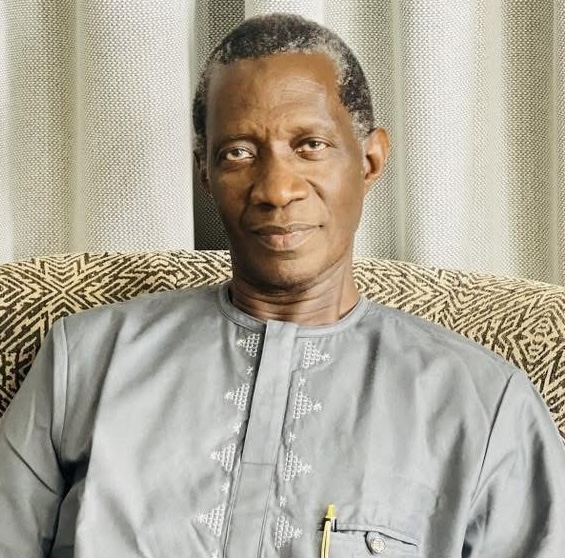
UDP Deputy Secretary for External Affairs Lamin Manneh said the IEC remains the only body legally responsible for conducting the election and officially declaring the winner.
However, he said the public nature of polling-station counting gives political parties, journalists and citizens the right to collect and publish the results announced at individual polling stations.
“The IEC is mandated to conduct the elections and proclaim the results at the end, but from the day the legislation was enacted for spot counting, every Gambian citizen has earned the right to publish those results because they are public information,” Manneh said.
The UDP plans to use software to capture results from polling stations as they are announced and publish a running tally before the IEC completes its national tabulation.
Manneh said polling-station results are counted in the presence of party and candidate representatives before being verified and signed by the IEC presiding officer. Copies are given to party representatives, while another copy is displayed publicly at the polling station.
He argued that parties with representatives across the country can therefore independently collect the results and produce their own tally.
Manneh said the UDP had even offered to give the IEC access to its system so commission officials could monitor the results being collected by the party.
He expressed confidence that the UDP’s final tally would match the IEC’s official figures because both would be based on certified polling-station results.
“We are not subverting elections; we are bringing in another degree of transparency,” he said. “Why should anybody be afraid of transparency in elections?”
The plan has raised concerns that competing announcements of results could create confusion or tensions before the IEC declares the official outcome.
Manneh dismissed those concerns, arguing that independent verification would instead strengthen confidence in the electoral process.
He said the UDP would continue engaging the IEC through stakeholder meetings and maintained that the initiative is part of the party’s commitment to credible, free and fair elections.
Manneh stressed that while political parties can independently collect and publish polling-station figures, the authority to officially declare the winner remains solely with the IEC.







Recent Comments